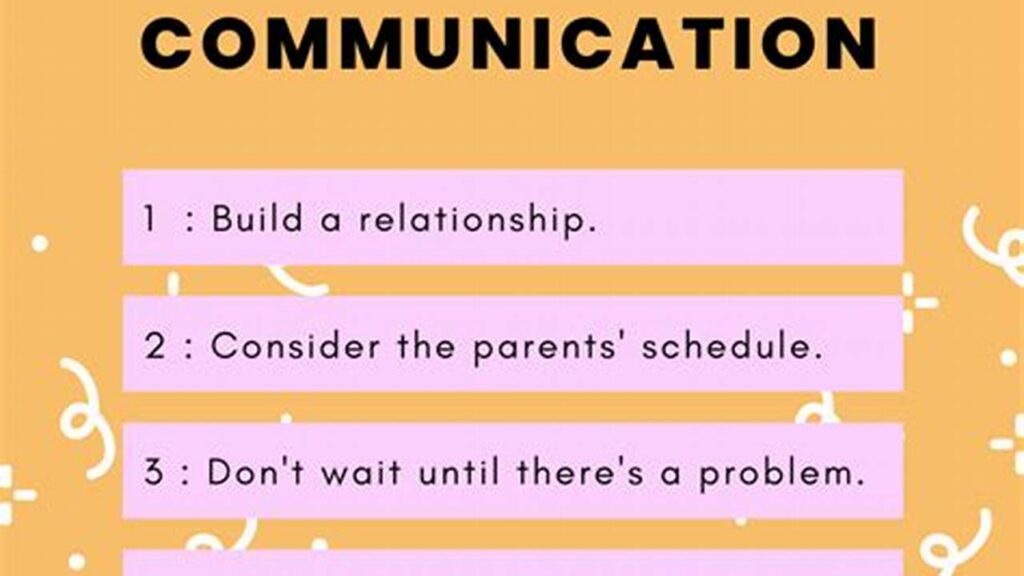

Open and consistent communication between educators and families is crucial for student success. A strong home-school connection fosters a supportive learning environment, enabling students to thrive academically, socially, and emotionally. When teachers and parents work together, they can better understand a student’s strengths, challenges, and learning style, leading to more effective individualized support.
Consistent Updates
Regular communication keeps parents informed about classroom activities, curriculum progress, and their child’s individual performance. This can include weekly newsletters, online platforms, or brief phone calls.
Two-Way Communication Channels
Establishing multiple avenues for communication allows both teachers and parents to initiate contact and share information easily. This can involve email, phone calls, parent-teacher conferences, and school messaging systems.
Positive Language and Focus
Framing communication positively and focusing on student strengths and areas for growth creates a collaborative and supportive atmosphere. Addressing concerns constructively and offering solutions fosters a sense of partnership.
Active Listening and Empathy
Teachers should actively listen to parental concerns and perspectives, demonstrating empathy and understanding. Acknowledging parental input and valuing their contributions builds trust and rapport.
Clear Expectations and Guidelines
Establishing clear expectations for communication, including response times and preferred methods of contact, ensures efficient and effective interactions.
Cultural Sensitivity
Respecting diverse cultural backgrounds and communication styles is essential for building strong relationships with all families. Adapting communication strategies to meet individual family needs fosters inclusivity.
Confidentiality and Discretion
Maintaining confidentiality and handling sensitive information with discretion is paramount in building trust and maintaining professional boundaries.
Collaboration on Learning Strategies
Working together to develop and implement learning strategies that support students both at home and in school maximizes their learning potential. Sharing resources and techniques creates a cohesive learning experience.
Regular Feedback and Progress Monitoring
Providing regular feedback on student progress and addressing any concerns promptly helps parents stay informed and actively involved in their child’s education.
Celebrating Successes
Acknowledging and celebrating student achievements, both big and small, reinforces positive behaviors and fosters a sense of accomplishment for students, parents, and teachers.
Tips for Effective Communication
Schedule regular communication: Designate specific times for communication, such as weekly newsletters or monthly phone calls, to ensure consistent contact.
Utilize technology: Leverage online platforms, email, and messaging systems to streamline communication and share information efficiently.
Personalize communication: Tailor messages to individual families and address specific student needs and progress.
Document interactions: Keep records of communication to track progress, address concerns effectively, and maintain continuity.
Frequently Asked Questions
How can I best communicate with a teacher who is difficult to reach?
Try different communication methods, such as email or scheduling a meeting during office hours. If challenges persist, consider contacting school administration for assistance.
What if I disagree with a teacher’s assessment of my child’s performance?
Schedule a meeting with the teacher to discuss your concerns and perspectives respectfully. Focus on finding solutions collaboratively and supporting your child’s learning.
How can I support my child’s learning at home based on teacher feedback?
Discuss specific strategies with the teacher and implement recommended activities and resources at home. Maintain open communication about your child’s progress and any challenges.
What if I have concerns about my child’s social-emotional well-being at school?
Reach out to the teacher or school counselor to share your concerns and discuss potential support strategies. Collaboration can help address social-emotional needs effectively.
How can I stay informed about classroom activities and curriculum?
Regularly check school communication channels, such as newsletters, websites, or online platforms. Attend parent-teacher conferences and school events to stay updated.
How can I be an active participant in my child’s education even with a busy schedule?
Prioritize communication with teachers and explore flexible ways to be involved, such as volunteering during school events or supporting learning activities at home.
Building and maintaining strong teacher-parent communication is an ongoing process that requires effort and commitment from both sides. By prioritizing open communication, active listening, and collaborative problem-solving, educators and families can create a supportive learning environment that empowers students to reach their full potential.