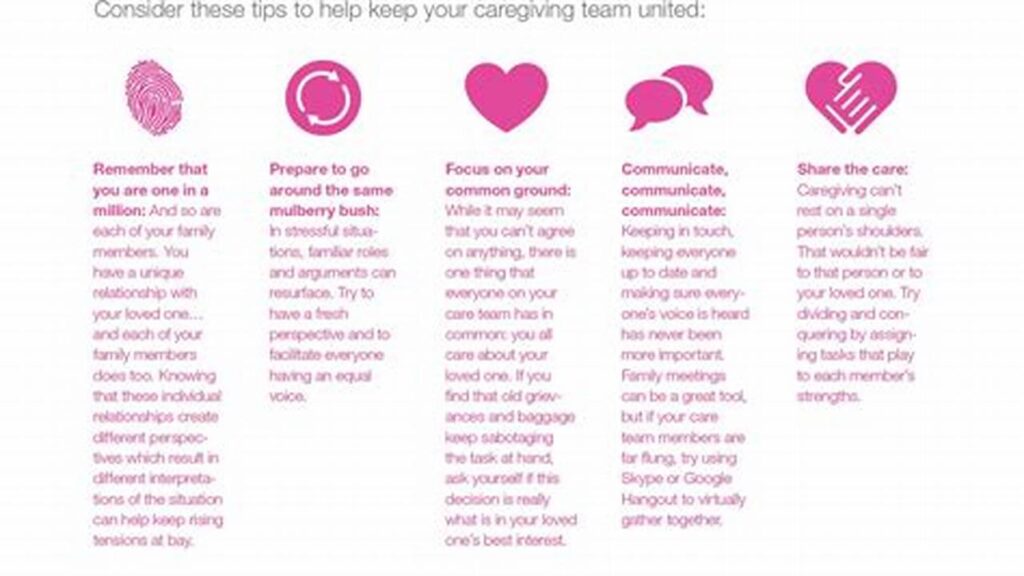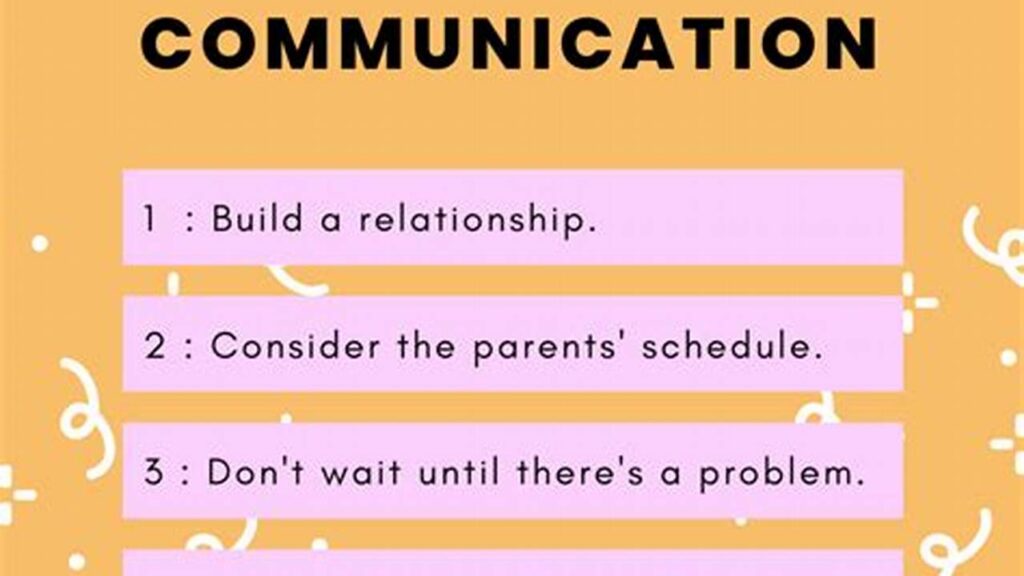

Nurturing healthy family relationships requires open and honest communication. This involves not only conveying information clearly but also actively listening and understanding each other’s perspectives. Developing these skills can significantly improve family dynamics, reducing conflict and fostering stronger bonds between parents and children.
Active Listening
Paying close attention to what your child is saying, both verbally and nonverbally, demonstrates respect and encourages further communication.
Empathy and Validation
Acknowledging and validating your child’s feelings, even if you don’t agree with them, helps them feel understood and supported.
Clear and Concise Language
Using age-appropriate language and avoiding jargon ensures your message is received and understood correctly.
Positive Reinforcement
Focusing on positive behaviors and offering praise and encouragement motivates children and builds their self-esteem.
Setting Clear Expectations
Establishing clear and consistent rules and expectations provides children with a sense of structure and security.
Open-Ended Questions
Asking open-ended questions encourages children to express their thoughts and feelings more fully.
Regular Family Meetings
Scheduling regular family meetings creates a dedicated space for open communication and problem-solving.
Modeling Good Communication
Demonstrating healthy communication habits in your own interactions teaches children valuable skills by example.
Tips for Enhancing Communication
Tip 1: Create a Safe Space: Ensure your child feels comfortable expressing themselves without fear of judgment or criticism.
Tip 2: Be Present: Put away distractions and give your child your full attention when they are talking to you.
Tip 3: Practice Patience: Communication takes time and effort. Be patient with your child and allow them time to process their thoughts and feelings.
Tip 4: Seek Professional Guidance: If you’re facing significant communication challenges, consider seeking guidance from a family therapist or counselor.
Frequently Asked Questions
How can I improve communication with my teenager?
Teenagers often require a different approach. Try active listening, respecting their need for independence, and validating their feelings.
What if my child doesn’t want to talk to me?
Respect their space, but reiterate your availability to listen when they’re ready. Subtle gestures of care and support can also make a difference.
How do I handle disagreements respectfully?
Teach children how to express disagreement respectfully by modeling calm and respectful communication during conflicts.
Are there any resources available to help me learn more?
Numerous books, articles, and online resources offer valuable insights and practical tips for improving family communication.
How can I tell if my communication style is effective?
Observe your child’s responses. Improved communication is often reflected in increased trust, reduced conflict, and a willingness to share openly.
What if I make a mistake in communicating with my child?
It’s okay to apologize and acknowledge mistakes. This models accountability and reinforces healthy communication patterns.
Building strong communication skills is an ongoing process that requires consistent effort and a willingness to adapt and learn. By prioritizing open and honest communication, parents can create a nurturing environment that supports their children’s emotional and social development and strengthens family bonds for years to come.