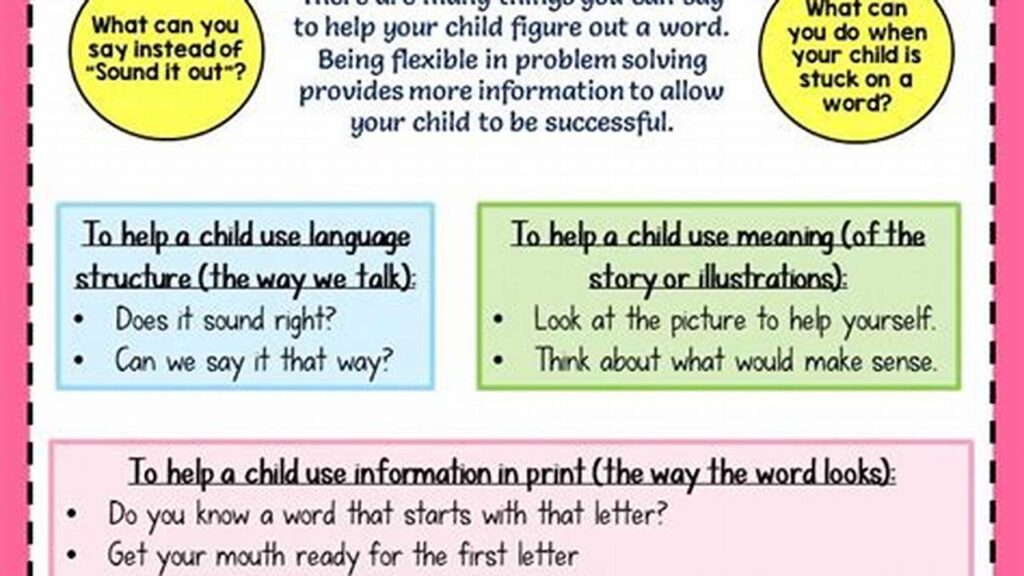

Elevating a child’s ability to understand and interpret text is crucial for academic success and lifelong learning. Parental involvement plays a significant role in nurturing this skill. By employing effective techniques and fostering a supportive environment, parents can empower their children to become confident and proficient readers.
Building a Strong Foundation
Early exposure to books and language creates a basis for reading comprehension. Regularly reading aloud to young children, even before they can read themselves, introduces them to the rhythm and structure of language, expanding vocabulary and fostering a love of reading.
Active Reading Techniques
Teaching children how to engage actively with text is essential. Strategies like asking questions before, during, and after reading, summarizing key points, and visualizing the story can significantly enhance understanding.
Vocabulary Development
A rich vocabulary is fundamental to comprehending complex texts. Encourage children to look up unfamiliar words and use them in conversation. Word games and puzzles can make vocabulary building enjoyable.
Creating a Reading-Rich Environment
Surrounding children with books, magazines, and other reading materials creates a conducive environment for literacy development. Designated reading spaces and regular visits to libraries can further cultivate a love of reading.
Modeling Reading Habits
Children often emulate the behaviors of their parents. Demonstrating a love of reading by engaging with books and discussing what you’re reading can inspire children to embrace reading as a valuable activity.
Making Connections to Real Life
Helping children connect what they read to their own experiences and the world around them deepens their understanding and makes reading more meaningful. Discussing characters, plot, and themes in relation to real-life situations fosters critical thinking.
Utilizing Different Reading Materials
Exposing children to a variety of genres, including fiction, non-fiction, poetry, and graphic novels, broadens their reading experience and caters to diverse interests. This variety can spark curiosity and motivate continued exploration.
Monitoring Progress and Providing Support
Regularly assessing a child’s reading comprehension skills allows parents to identify areas needing improvement and provide targeted support. Working with teachers and utilizing educational resources can further enhance learning.
Encouraging Critical Thinking
Beyond simply understanding the text, encourage children to analyze and evaluate what they read. Asking open-ended questions and facilitating discussions about the author’s purpose and perspective promotes critical thinking skills.
Tips for Enhancing Reading Comprehension
Tip 1: Start early and make reading a daily habit.
Tip 2: Engage in discussions about the books being read.
Tip 3: Provide access to a variety of reading materials.
Tip 4: Create a supportive and encouraging environment.
Frequently Asked Questions
How can I help my child who struggles with reading comprehension?
Focus on building foundational skills like phonics and decoding. Provide extra support with challenging texts and consider working with a reading specialist if needed.
What are some effective strategies for improving reading fluency?
Repeated reading, timed reading exercises, and listening to audiobooks can help improve reading fluency and, in turn, comprehension.
How can I make reading more enjoyable for my child?
Incorporate their interests into reading choices, visit libraries and bookstores together, and participate in reading challenges or book clubs.
At what age should I start focusing on reading comprehension skills?
While basic comprehension begins early, focused attention on strategies like summarizing and making inferences can start around the second or third grade.
How can I tell if my child needs additional help with reading comprehension?
Difficulty answering questions about what they’ve read, frequently misinterpreting information, and a general lack of engagement with texts can indicate a need for additional support.
Cultivating strong reading comprehension skills is a journey that requires consistent effort and collaboration between parents and children. By implementing these strategies and fostering a love of reading, parents can empower their children to become confident, competent, and engaged readers, equipped for success in academics and beyond.