
Parenting inevitably involves navigating disagreements and conflicts. Developing strong conflict resolution skills empowers parents to manage these situations constructively, fostering healthy communication and strengthening family relationships. These skills not only help resolve immediate disputes but also equip children with valuable life lessons in negotiation, empathy, and problem-solving.
Understanding the Root Causes of Conflict
Addressing conflict effectively begins with identifying the underlying issues. These can range from developmental stages and differing needs to communication breakdowns and power struggles.
Active Listening and Empathetic Communication
Creating space for each family member to express their perspective without interruption fosters understanding and reduces defensiveness.
Setting Clear Expectations and Boundaries
Establishing clear, age-appropriate expectations and consistent boundaries helps prevent conflicts by providing a framework for behavior and interaction.
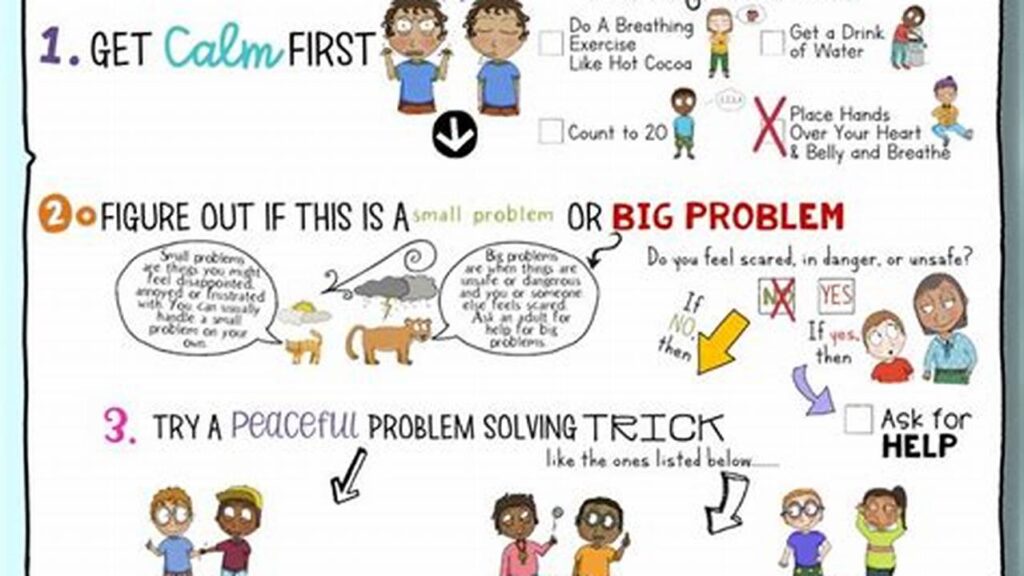
Teaching Problem-Solving Skills
Empowering children to participate in finding solutions encourages collaboration and ownership of the outcome.
Remaining Calm and Modeling Respectful Behavior
Parents who model calm and respectful communication during disagreements demonstrate healthy conflict resolution strategies for their children to emulate.
Avoiding Power Struggles and Win-Lose Scenarios
Focusing on collaborative solutions rather than asserting authority or assigning blame creates a more positive and productive environment.
Seeking Professional Support When Needed
Recognizing when family conflicts require outside intervention is a sign of strength, not failure. Family therapists can provide guidance and support in navigating complex situations.
Practicing Forgiveness and Moving Forward
Learning to forgive and let go of resentment is essential for maintaining healthy family relationships after conflict.
Tips for Effective Conflict Resolution
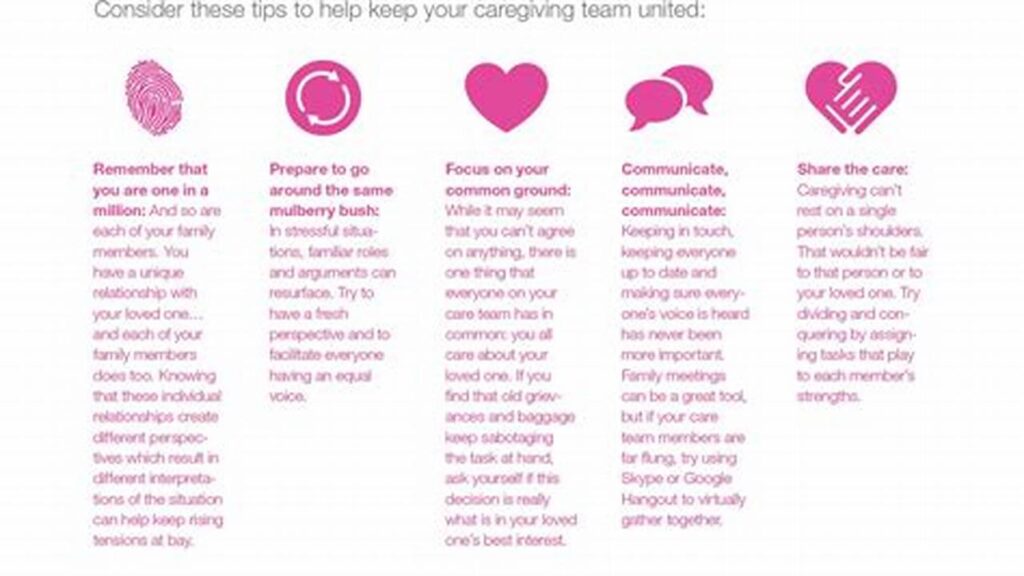
Tip 1: Create a Safe Space for Discussion: Designate a neutral, calm environment where family members can openly express their feelings without fear of judgment or interruption.
Tip 2: Use “I” Statements: Encourage family members to express their feelings and needs using “I” statements, focusing on their own experience rather than blaming others.
Tip 3: Brainstorm Solutions Together: Involve everyone in generating potential solutions, fostering a sense of shared responsibility and ownership.
Tip 4: Celebrate Successful Resolutions: Acknowledge and appreciate the efforts made by all parties to resolve the conflict, reinforcing positive communication patterns.
Frequently Asked Questions
How can I manage conflicts between siblings? Encourage siblings to express their perspectives, mediate fair solutions, and teach them conflict resolution skills.
What if my child refuses to cooperate during conflict resolution? Remain calm, acknowledge their feelings, and reiterate the importance of finding a solution together. Consider taking a break and revisiting the discussion later.
How do I resolve conflicts with my teenager? Respect their autonomy, actively listen to their concerns, and focus on collaborative problem-solving rather than imposing solutions.
When should I seek professional help for family conflicts? If conflicts become frequent, intense, or involve harmful behaviors, seeking professional guidance from a family therapist is recommended.
How can I prevent future conflicts? Establish clear expectations, foster open communication, and teach children problem-solving skills to proactively address potential disagreements.
What role does empathy play in conflict resolution? Empathy helps family members understand each other’s perspectives and emotions, promoting compassion and facilitating more effective communication.
By incorporating these strategies, parents can transform conflict from a destructive force into an opportunity for growth, understanding, and stronger family bonds. Building a foundation of effective communication and problem-solving skills equips families to navigate challenges and cultivate healthy relationships for years to come.