
Parenting is inherently demanding, and stress is a common experience. When stress becomes overwhelming, it can negatively impact both parents and children. Learning to manage parental stress effectively is crucial for maintaining a healthy family dynamic and fostering children’s well-being. This information provides practical guidance for parents navigating stressful situations.
Prioritizing Self-Care
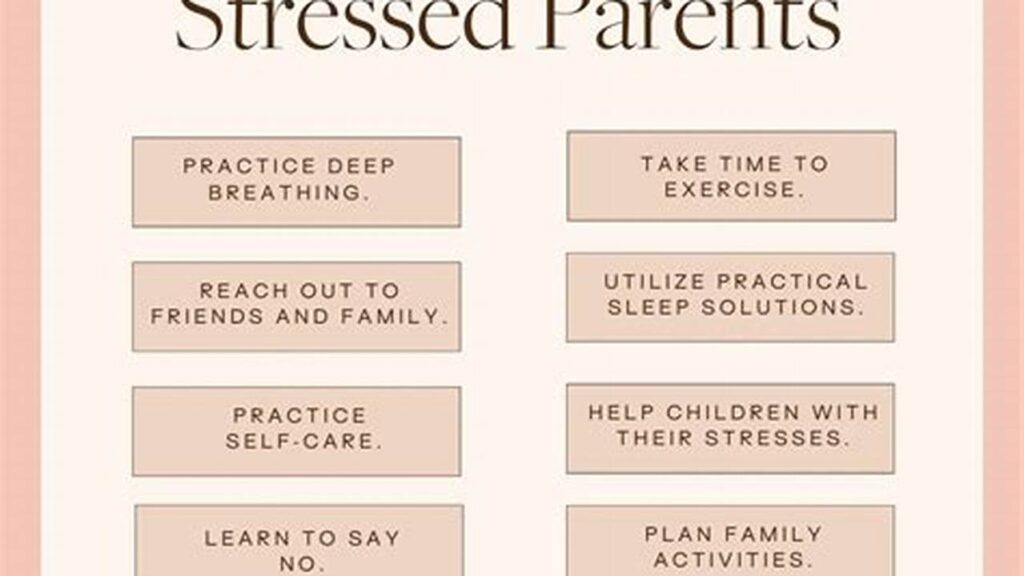
Parents often prioritize their children’s needs above their own, leading to burnout. Regular self-care, even in small increments, can significantly reduce stress levels and improve overall well-being.
Building Strong Support Networks
Connecting with supportive individuals, whether family, friends, or community groups, provides an outlet for sharing experiences and receiving emotional support. A strong support network can buffer the negative effects of stress.
Establishing Realistic Expectations
Unrealistic expectations of oneself and one’s children can contribute to stress. Recognizing limitations and embracing imperfections fosters a more positive and manageable parenting experience.
Practicing Mindfulness and Relaxation Techniques
Mindfulness exercises and relaxation techniques, such as deep breathing or meditation, can help manage stress responses and promote emotional regulation.
Setting Boundaries and Saying No
Learning to set healthy boundaries and prioritize essential commitments reduces overwhelm and protects personal time and energy.
Engaging in Regular Physical Activity
Exercise is a powerful stress reliever, boosting mood and improving overall physical health. Incorporating regular physical activity into one’s routine can significantly mitigate the effects of stress.
Focusing on Healthy Nutrition
A balanced diet plays a vital role in managing stress. Nutritious food provides the energy and resources needed to cope with daily challenges effectively.
Seeking Professional Support When Needed
There is no shame in seeking professional help. Therapists and counselors can provide guidance and support in developing personalized stress management strategies.
Prioritizing Quality Time with Children
Amidst the demands of parenting, dedicating quality time to children strengthens family bonds and reduces stress for both parents and children. Focused attention fosters connection and creates positive experiences.
Tip 1: Schedule dedicated self-care time, even if it’s just 15 minutes a day.
This could be anything from reading a book to taking a warm bath.
Tip 2: Communicate openly with your partner or support network about your stress levels.
Sharing your feelings can help alleviate emotional burden.
Tip 3: Break down large tasks into smaller, more manageable steps.
This can make overwhelming projects feel less daunting.
Tip 4: Practice gratitude by focusing on the positive aspects of your life and your children.
This can shift perspective and reduce stress.
How can I find time for self-care as a busy parent?
Even small pockets of time can be utilized for self-care. Consider waking up 15 minutes earlier for quiet reflection, listening to a podcast during your commute, or taking a short walk during your lunch break.
What are some effective relaxation techniques for stressed parents?
Deep breathing exercises, progressive muscle relaxation, and guided meditation are all effective techniques for managing stress. Numerous resources are available online and through mobile apps.
How do I set boundaries with family and friends who may add to my stress?
Open and honest communication is key. Explain your needs clearly and assertively, and don’t be afraid to say no to requests that exceed your capacity.
When should I consider seeking professional help for parental stress?
If stress is significantly impacting your daily life, relationships, or overall well-being, seeking professional support is recommended. A therapist can provide personalized strategies and support.
How can I involve my children in stress-reducing activities?
Family activities like going for a walk, playing games, or engaging in creative projects can be beneficial for both parents and children. These shared experiences strengthen bonds and promote relaxation.
What if I feel guilty prioritizing my own needs as a parent?
Remember that taking care of yourself enables you to be a better parent. Addressing your own needs is not selfish; it’s essential for maintaining your well-being and effectively caring for your children.
Managing parental stress is an ongoing process. By implementing these strategies and seeking support when needed, parents can navigate challenges more effectively, foster stronger family relationships, and promote their own well-being and the well-being of their children.