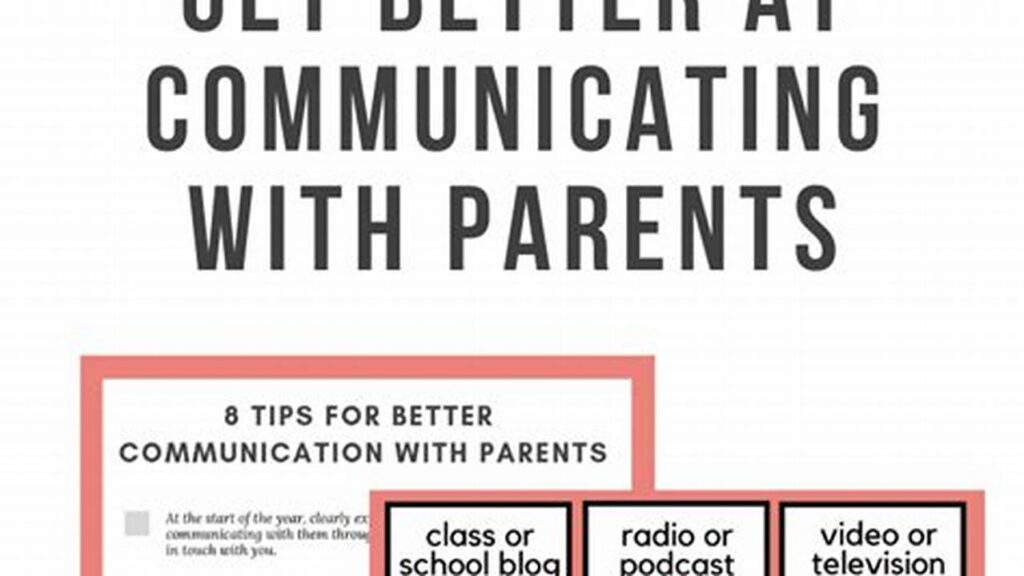

Parenting presents numerous challenges, and open, honest communication is crucial for navigating them successfully. Strong communication builds trust, fosters understanding, and strengthens the parent-child bond. It equips children with essential life skills and creates a supportive family environment. This article explores practical techniques and offers valuable insights to enhance communication within families.
Active Listening
Giving full attention to the child, understanding their perspective, and responding thoughtfully are key elements of active listening.
Clear and Concise Language
Using age-appropriate vocabulary and expressing expectations clearly prevents misunderstandings and promotes cooperation.
Empathy and Validation
Acknowledging and validating children’s feelings, even if they differ from one’s own, builds emotional intelligence and encourages open expression.
Non-Verbal Communication
Body language, facial expressions, and tone of voice significantly impact communication and should align with the intended message.
Creating a Safe Space
Fostering an environment where children feel comfortable expressing themselves without fear of judgment is essential for open dialogue.
Setting Clear Expectations and Boundaries
Establishing clear expectations and consistent boundaries provides children with a sense of security and understanding of acceptable behavior.
Regular Family Meetings
Scheduling regular family meetings provides a dedicated time for open communication and problem-solving.
Using “I” Statements
Expressing feelings and needs using “I” statements helps avoid blaming and promotes constructive dialogue.
Teaching Conflict Resolution Skills
Equipping children with conflict resolution skills empowers them to manage disagreements respectfully and effectively.
Modeling Positive Communication
Demonstrating positive communication skills in interactions with others sets a powerful example for children to follow.
Tip 1: Schedule Dedicated Family Time
Setting aside regular time for family activities strengthens bonds and creates opportunities for natural conversation.
Tip 2: Practice Reflective Listening
Repeating or paraphrasing what the child says demonstrates understanding and encourages further elaboration.
Tip 3: Avoid Interrupting
Allowing children to fully express their thoughts and feelings without interruption shows respect and encourages open communication.
Tip 4: Use Positive Reinforcement
Acknowledging and praising positive communication efforts reinforces desired behavior and builds confidence.
How can I improve communication with my teenager?
Active listening, respecting their need for independence, and showing genuine interest in their lives can bridge communication gaps with teenagers.
What if my child refuses to talk to me?
Creating a safe space, expressing your willingness to listen, and offering alternative communication methods like writing or drawing can encourage reluctant children to open up.
How do I handle disagreements respectfully?
Using “I” statements, actively listening to the child’s perspective, and seeking mutually agreeable solutions fosters respectful conflict resolution.
How can I encourage my child to express their feelings?
Validating their emotions, using empathy, and creating a non-judgmental environment encourages children to express their feelings openly.
What if I feel like I’m not being heard by my child?
Expressing your needs clearly and respectfully, choosing an appropriate time to talk, and seeking professional guidance if needed can help ensure your message is received.
My child interrupts constantly. How can I address this?
Gently reminding them of appropriate conversation etiquette, modeling good listening habits, and establishing clear communication rules can help curb interruptions.
Effective family communication is an ongoing process that requires patience, understanding, and consistent effort. By implementing these strategies and tips, parents can cultivate stronger relationships with their children, fostering a supportive and nurturing family environment.