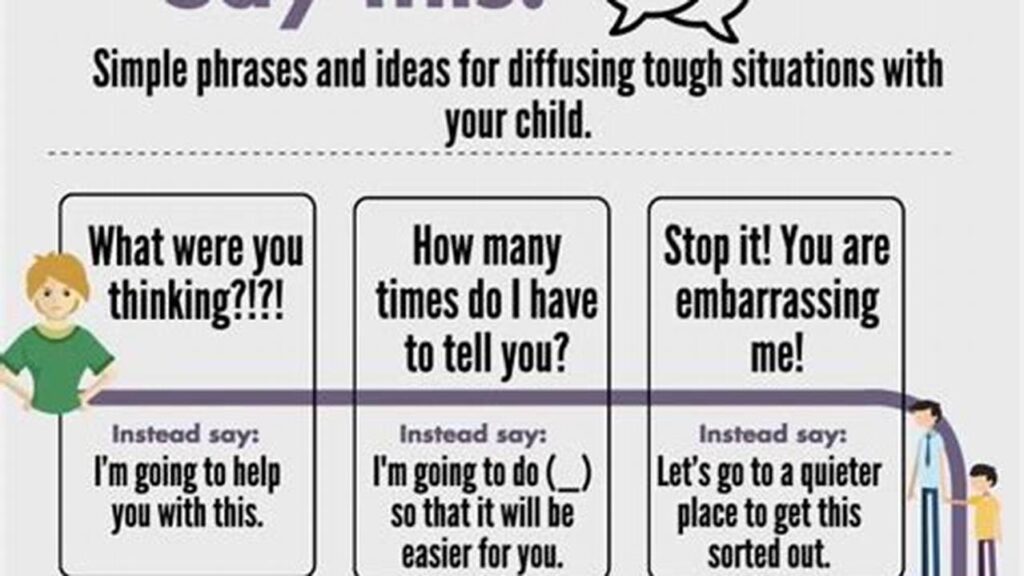

Raising children presents numerous challenges, and effective discipline is crucial for fostering healthy development and strong parent-child relationships. A structured approach to discipline, focusing on positive reinforcement and teaching rather than punishment, is essential for children of all ages, from toddlers through adolescence. This approach builds crucial life skills like self-discipline, problem-solving, and responsibility.
Understanding Developmental Stages
Recognizing the cognitive and emotional differences between toddlers, children, and teenagers is paramount for tailoring disciplinary strategies effectively.
Building a Strong Parent-Child Relationship
A foundation of love, trust, and mutual respect provides a secure environment for children to learn and grow, making them more receptive to guidance.
Setting Clear Expectations and Boundaries
Children thrive when they understand the rules and consequences of their actions. Clear, age-appropriate expectations minimize confusion and promote cooperation.
Focusing on Positive Reinforcement
Acknowledging and rewarding positive behaviors encourages their repetition and builds self-esteem. This approach is more effective than solely focusing on negative actions.
Effective Communication
Open and honest communication helps children understand the reasoning behind rules and encourages them to express their feelings and perspectives.
Teaching Problem-Solving Skills
Equipping children with the ability to analyze situations and develop solutions empowers them to make responsible choices and navigate challenges independently.
Consistency in Application
Maintaining consistent disciplinary practices reinforces expectations and prevents confusion. Consistency across caregivers is also essential.
Avoiding Physical Punishment
Physical punishment can be harmful and ineffective, negatively impacting a child’s emotional well-being and potentially leading to behavioral problems.
Seeking Support When Needed
Parenting support groups, counselors, and educational resources offer valuable guidance and assistance for navigating challenging situations and refining disciplinary approaches.
Tips for Implementing Positive Discipline
Tip 1: Create a Routine: Consistent routines provide predictability and security, reducing power struggles and promoting cooperation.
Tip 2: Offer Choices: Giving children age-appropriate choices empowers them and fosters a sense of control, increasing their willingness to cooperate.
Tip 3: Use Logical Consequences: Consequences that are directly related to the misbehavior help children understand the impact of their actions and learn responsibility.
Tip 4: Practice Active Listening: Truly listening to a child’s perspective validates their feelings and helps parents understand the root cause of their behavior.
Frequently Asked Questions
How do I handle tantrums effectively?
Remaining calm and providing a safe space for the child to express their emotions can help de-escalate tantrums. Ignoring attention-seeking behaviors while providing comfort and support when the child is calm can be effective.
What if my teenager refuses to follow the rules?
Open communication and involving the teenager in setting reasonable consequences can improve compliance. Focusing on the reasons behind the rules and emphasizing their importance can also be helpful.
How can I discipline my child without yelling?
Taking a break to calm down before addressing the misbehavior can prevent yelling. Using a calm and assertive tone of voice is more effective than raising one’s voice.
Where can I find more resources on positive discipline?
Parenting books, online articles, workshops, and support groups offer a wealth of information and practical advice on positive discipline techniques.
How do I adapt positive discipline for children with special needs?
Consult with therapists or specialists who can provide tailored strategies based on the child’s specific needs and abilities.
Is positive discipline permissive parenting?
No. Positive discipline sets clear boundaries and expectations while focusing on teaching and guiding children rather than resorting to punishment.
Implementing these strategies contributes significantly to raising responsible, resilient, and well-adjusted individuals. It fosters a positive family dynamic built on mutual respect and understanding.