
Helping a child with dyslexia thrive requires a multifaceted approach, and parental involvement is paramount. Implementing proven techniques at home can significantly improve a child’s reading, writing, and spelling abilities, fostering confidence and academic success. Consistent, supportive home-based learning complements classroom instruction and creates a nurturing environment where children can develop essential skills.
Structured Literacy Approach
Emphasizes the explicit teaching of phonemic awareness, phonics, decoding, spelling, vocabulary, and reading comprehension.
Multisensory Techniques
Engaging multiple senses (visual, auditory, kinesthetic, tactile) during learning activities enhances memory and understanding.
Assistive Technology
Utilizing tools like text-to-speech software, audiobooks, and dyslexia-friendly fonts can improve reading fluency and comprehension.
Consistent Practice
Regular, short practice sessions are more effective than infrequent, lengthy ones. Focus on specific skills and gradually increase complexity.
Positive Reinforcement
Creating a positive and encouraging learning environment boosts a child’s self-esteem and motivation.
Open Communication with Educators
Maintaining regular communication with teachers ensures a consistent learning approach between home and school.
Understanding Individual Learning Styles
Recognizing a child’s unique strengths and weaknesses allows for personalized learning strategies.
Patience and Empathy
Learning with dyslexia can be challenging. Patience, understanding, and emotional support are crucial for a child’s progress.
Tip 1: Create a Dedicated Learning Space
A quiet, organized area free from distractions promotes focus and concentration.
Tip 2: Incorporate Games and Activities
Learning through play makes practice enjoyable and engaging.
Tip 3: Break Down Tasks into Smaller Steps
Chunking information into manageable pieces prevents overwhelm and promotes mastery.
Tip 4: Celebrate Small Victories
Acknowledging progress, no matter how small, builds confidence and motivates continued effort.
How can I identify signs of dyslexia at home?
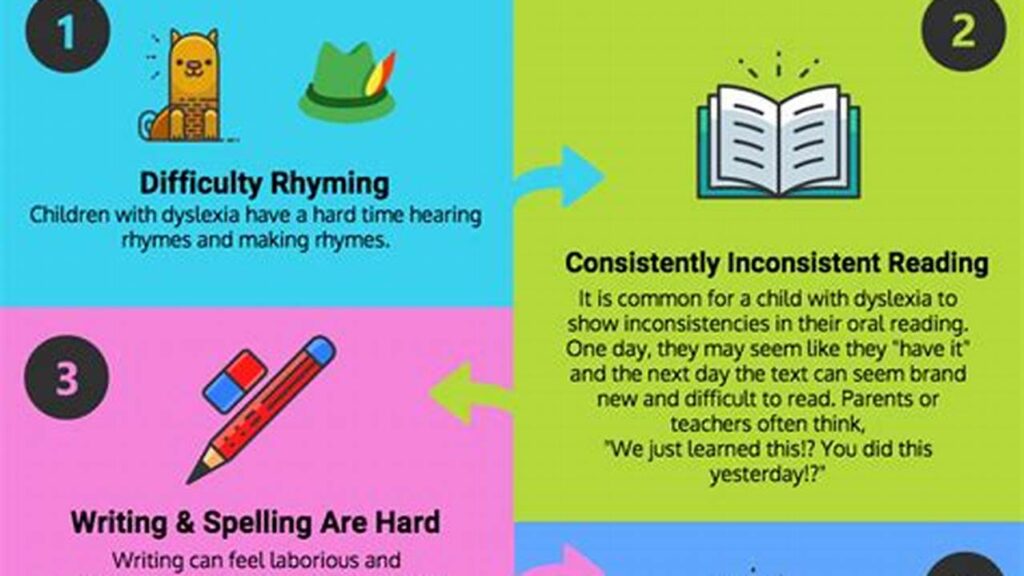
Common indicators include difficulty with rhyming, letter reversals, trouble sounding out words, and slow reading progress.
What resources are available for parents of children with dyslexia?
Numerous organizations and websites offer valuable information, support groups, and educational materials.
How can I advocate for my child at school?
Collaborate with teachers and school administrators to develop an individualized education program (IEP) tailored to your child’s needs.
Is dyslexia a lifelong condition?
Yes, but with appropriate support and strategies, individuals with dyslexia can learn to read and write effectively and achieve their full potential.
What are some common misconceptions about dyslexia?
Dyslexia is not related to intelligence or laziness. It is a neurological difference that affects how the brain processes language.
How can I help my child with their emotional well-being related to dyslexia?
Encourage open communication, celebrate their strengths, and connect them with support groups or mentors who understand their experiences.
By implementing these strategies and fostering a supportive home environment, parents can empower their children with dyslexia to develop essential skills, build confidence, and achieve academic success. Remember that consistent effort and positive reinforcement are key to helping children reach their full potential.