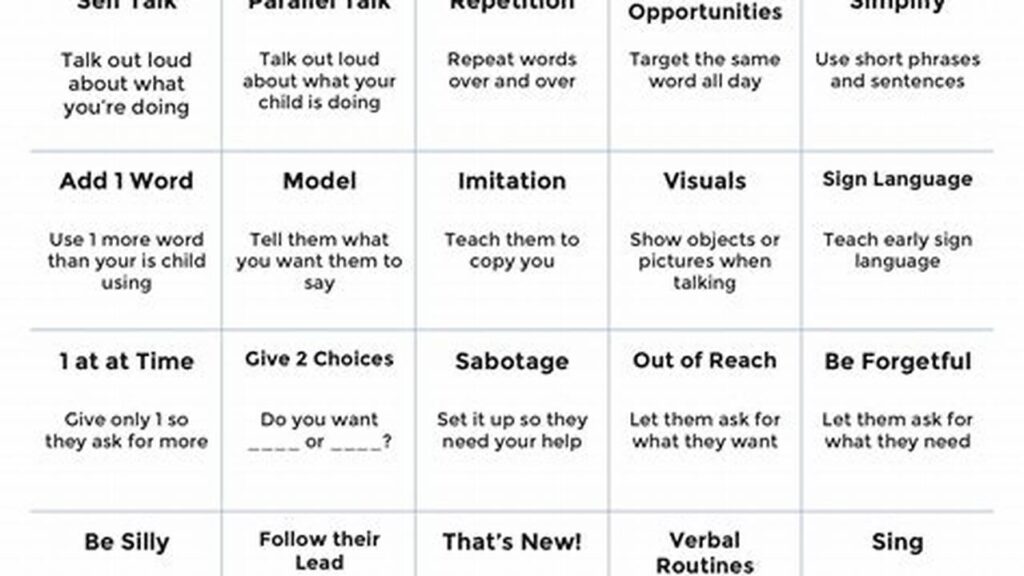

Facilitating a child’s communication development can be significantly enhanced through consistent and targeted practice at home. Parents play a vital role in supporting their child’s speech and language journey, and implementing practical strategies within the home environment can yield substantial progress. This empowers children to build communication skills essential for social interaction, academic success, and overall well-being.
Creating a Supportive Communication Environment
A positive and encouraging atmosphere fosters communication growth. Minimize distractions during practice sessions and create a dedicated space where the child feels comfortable and confident.
Modeling Clear Speech and Language
Children learn by imitation. Parents can model correct pronunciation, grammar, and sentence structure during everyday conversations and interactions.
Engaging in Interactive Play
Play-based activities provide natural opportunities for language learning. Incorporate games, storytelling, and singing to stimulate communication in a fun and engaging way.
Using Visual Aids
Pictures, flashcards, and objects can support language comprehension and expression, particularly for children who benefit from visual learning.
Focusing on Specific Sounds and Words
Targeting specific sounds or words that pose challenges can lead to more focused progress. Short, frequent practice sessions are often more effective than lengthy, infrequent ones.
Providing Positive Reinforcement
Celebrating successes, no matter how small, builds confidence and motivates continued effort. Positive feedback encourages children to persevere and embrace challenges.
Reading Together Regularly
Shared reading experiences expose children to a wide range of vocabulary and sentence structures, enriching their language development.
Following the Child’s Lead
Observing the child’s interests and communication attempts allows parents to tailor activities and provide relevant language input.
Maintaining Consistent Practice
Regularity is key to maximizing progress. Integrating practice into daily routines ensures consistent exposure and reinforcement.
Tips for Effective Home Practice
Keep sessions short and engaging. Short bursts of focused practice are often more effective than long, drawn-out sessions that can lead to frustration.
Incorporate practice into daily routines. Linking language practice to everyday activities, such as mealtimes or bath time, makes it a natural part of the child’s day.
Use a variety of activities. Keeping practice varied and engaging helps maintain the child’s interest and motivation.
Celebrate progress and effort. Positive reinforcement encourages children to continue practicing and builds their confidence.
Frequently Asked Questions
How can I tell if my child needs speech therapy?
Consult a speech-language pathologist if you have concerns about your child’s speech or language development. They can assess your child’s skills and recommend appropriate interventions.
How can I support my child’s speech development at home if they are already receiving therapy?
Collaborate with your child’s therapist to develop home practice activities that complement their therapy goals.
What are some common signs of speech and language delays?
Common signs can include difficulty understanding spoken language, limited vocabulary, difficulty pronouncing certain sounds, or struggling to form sentences.
How can I make practice fun and engaging for my child?
Incorporate play-based activities, use visual aids, and offer positive reinforcement to make practice enjoyable and motivating.
What if I don’t see immediate progress?
Consistency is key. Progress may not always be linear, and celebrating small achievements is crucial. Consult with the speech-language pathologist for guidance and adjustments to the strategies.
Where can I find additional resources and support?
Consult a speech-language pathologist for personalized guidance. Numerous online resources and organizations also offer valuable information and support for parents.
Supporting a child’s communication journey requires consistent effort and collaboration between parents and professionals. By implementing these strategies at home, parents can empower their children to develop strong communication skills and reach their full potential.