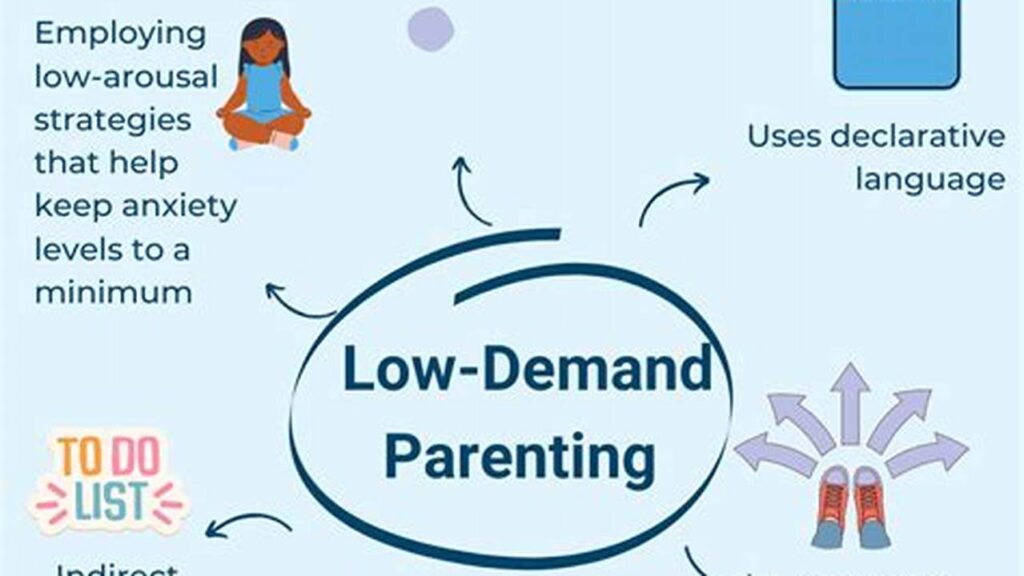

Parenting children with Pathological Demand Avoidance (PDA) presents unique challenges. This condition, characterized by an overwhelming need to avoid everyday demands and expectations, requires specialized strategies. Understanding the underlying anxiety driving this avoidance is key to fostering a positive and supportive environment. Approaches that prioritize flexibility, negotiation, and indirect language can significantly reduce conflict and promote cooperation. This information offers practical guidance for parents navigating the complexities of PDA, empowering them with tools and techniques to build stronger relationships with their children.
Understanding PDA
Recognizing the anxiety-driven nature of demand avoidance is fundamental.
Flexibility and Adaptability
Adapting to the child’s needs and preferences can minimize resistance.
Negotiation and Collaboration
Offering choices and involving the child in decision-making can increase compliance.
Indirect Language
Framing requests as suggestions or options reduces the perception of demands.
Building Trust and Rapport
A strong parent-child relationship fosters cooperation and understanding.
Positive Reinforcement
Celebrating successes and focusing on positive behaviors encourages progress.
Sensory Considerations
Addressing sensory sensitivities can reduce anxiety and improve behavior.
Managing Meltdowns
Developing strategies for de-escalation and support during meltdowns is crucial.
Seeking Professional Support
Guidance from therapists and specialists can provide tailored strategies.
Creating a Supportive Environment
Consistency and understanding from family members and educators are essential.
Tip 1: Prioritize Relationship Building
Focus on strengthening the emotional connection with the child.
Tip 2: Offer Choices Whenever Possible
Empower the child by providing options and a sense of control.
Tip 3: Use Humor and Playfulness
Incorporating humor can diffuse tense situations and reduce anxiety.
Tip 4: Practice Patience and Understanding
Recognize that demand avoidance stems from anxiety, not defiance.
What are the common signs of PDA?
Common indicators include extreme resistance to everyday demands, anxiety-driven avoidance, and the use of social manipulation to avoid tasks.
How does PDA differ from typical defiance?
PDA is rooted in anxiety and the need to avoid demands, while defiance is often a conscious act of opposition.
Where can parents find support and resources?
Support groups, online communities, and therapists specializing in PDA can provide valuable assistance.
How can schools support students with PDA?
Educators can implement strategies such as flexible learning environments, individualized plans, and clear communication with parents.
What are some effective communication techniques for parents?
Using indirect language, offering choices, and negotiating can improve communication and reduce conflict.
How can parents manage meltdowns effectively?
Creating a calm and safe space, providing reassurance, and avoiding further demands can help de-escalate meltdowns.
Navigating PDA requires understanding, patience, and a proactive approach. By implementing these strategies, parents can create a more supportive and positive environment for their children, fostering growth, resilience, and stronger family relationships.