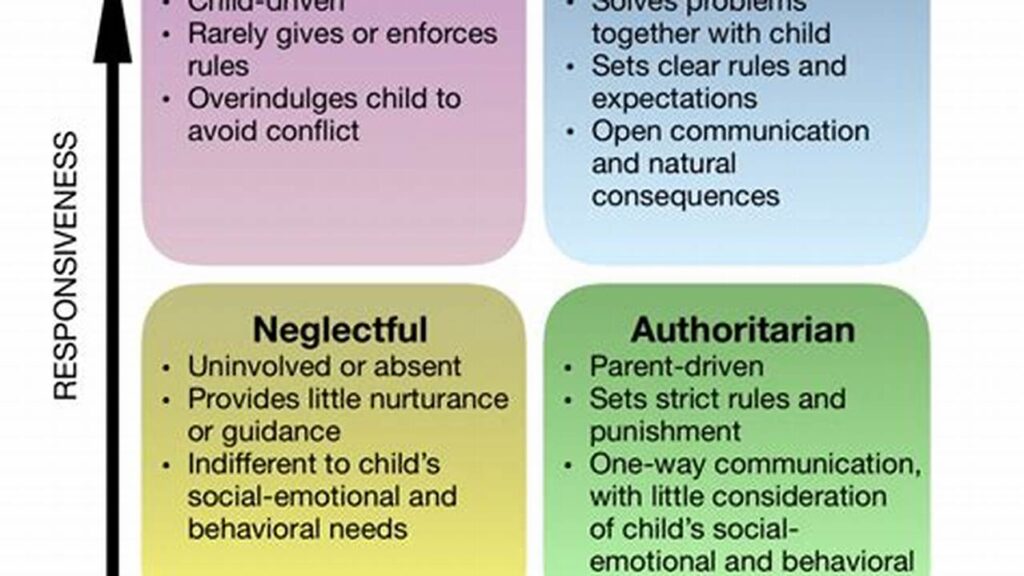

Raising well-adjusted and thriving children is a universal aspiration. This goal often necessitates a thoughtful approach to parenting, incorporating proven strategies and adaptable techniques. Guidance on successful child-rearing practices empowers parents to navigate the complexities of child development, fostering positive relationships and nurturing essential life skills.
Building Strong Parent-Child Relationships
A foundation of love, trust, and mutual respect creates a secure environment for children to flourish. Open communication and quality time spent together strengthens these bonds.
Setting Clear Expectations and Boundaries
Children thrive with consistent and age-appropriate expectations. Clearly defined boundaries provide a sense of security and help children develop self-discipline.
Positive Reinforcement and Encouragement
Focusing on positive behaviors and offering encouragement builds children’s self-esteem and motivates them to make good choices.
Effective Communication Skills
Active listening and empathetic communication foster understanding and create opportunities for problem-solving.
Age-Appropriate Discipline
Disciplinary approaches should be tailored to the child’s age and developmental stage, focusing on teaching and guiding rather than punishing.
Promoting Independence and Responsibility
Encouraging children to take on age-appropriate responsibilities fosters independence and builds self-reliance.
Nurturing Emotional Intelligence
Helping children understand and manage their emotions equips them with essential skills for navigating social situations and building healthy relationships.
Creating a Supportive Home Environment
A stable and nurturing home environment provides a safe space for children to learn, grow, and develop their full potential.
Modeling Positive Behavior
Children learn by observing the adults in their lives. Modeling positive behaviors, such as respect, empathy, and responsibility, sets a powerful example.
Seeking Support and Resources
Parenting can be challenging. Accessing support networks, parenting resources, and professional guidance when needed is a sign of strength, not weakness.
Tips for Effective Parenting
Tip 1: Family Meetings: Regular family meetings provide a platform for open communication, problem-solving, and shared decision-making.
Tip 2: Designated One-on-One Time: Spending individual time with each child strengthens the parent-child bond and allows for focused attention.
Tip 3: Consistent Bedtime Routines: Consistent bedtime routines promote healthy sleep habits and contribute to overall well-being.
Tip 4: Involving Children in Household Chores: Assigning age-appropriate chores teaches responsibility and contributes to a sense of belonging.
Frequently Asked Questions
How can I improve communication with my teenager?
Active listening, validating their feelings, and avoiding judgmental language can create a more open and receptive environment for communication.
What are some effective discipline strategies for toddlers?
Redirection, setting clear expectations, and offering choices can be effective discipline strategies for toddlers.
How do I handle sibling rivalry?
Encourage cooperation, provide individual attention to each child, and teach conflict resolution skills.
Where can I find additional parenting resources?
Local community centers, libraries, and online parenting websites offer a wealth of information and support.
Effective parenting is a continuous journey of learning and adaptation. By embracing proven strategies and seeking support when needed, parents can equip their children with the skills and resilience to thrive in all aspects of their lives.