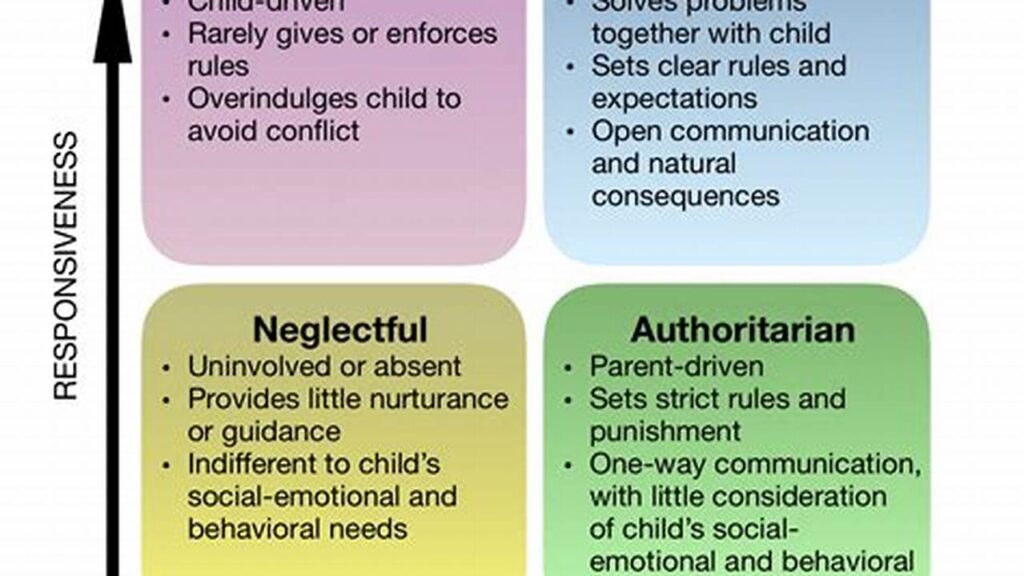

Raising well-adjusted, thriving children is a complex yet rewarding endeavor. Understanding child development and employing evidence-based methods can significantly contribute to positive outcomes. This approach integrates established psychological principles with practical strategies to create nurturing and supportive environments for children to flourish.
Building Strong Parent-Child Relationships
Nurturing a secure attachment provides children with a sense of safety and stability, fostering emotional regulation and resilience.
Positive Reinforcement and Encouragement
Focusing on desired behaviors and providing consistent praise motivates children and builds self-esteem.
Consistent Discipline and Clear Expectations
Establishing clear boundaries and consequences helps children understand acceptable behavior and develop self-control.
Open Communication and Active Listening
Creating a space for children to express their thoughts and feelings fosters trust and mutual understanding.
Age-Appropriate Responsibilities
Assigning chores and tasks suitable for their developmental stage promotes responsibility and independence.
Quality Time and Shared Activities
Engaging in activities together strengthens family bonds and creates lasting memories.
Modeling Desired Behaviors
Children learn by observing adult behavior, making it crucial for parents to model positive actions and attitudes.
Promoting Emotional Intelligence
Helping children understand and manage their emotions equips them with essential life skills.
Supporting Educational Pursuits
Creating a supportive learning environment at home encourages academic success and a love of learning.
Prioritizing Self-Care
Parents who prioritize their well-being are better equipped to meet the demands of parenting and create a positive home environment.
Tips for Effective Communication
Use active listening techniques, such as reflecting and summarizing, to ensure understanding.
Tips for Managing Challenging Behaviors
Identify triggers and develop strategies to prevent or de-escalate challenging situations.
Tips for Fostering Independence
Provide opportunities for children to make age-appropriate choices and solve problems independently.
Tips for Creating a Positive Home Environment
Establish routines, promote family meals, and create a space where everyone feels safe and respected.
How can I improve communication with my teenager?
Try active listening, validate their feelings, and avoid judgmental language. Focus on understanding their perspective.
What are some effective discipline strategies for toddlers?
Use redirection, positive reinforcement, and short, clear explanations of expectations. Consistency is key.
How can I help my child develop strong social skills?
Encourage participation in group activities, model appropriate social interactions, and teach conflict resolution skills.
What are some strategies for dealing with sibling rivalry?
Set clear expectations for behavior, provide individual attention to each child, and teach them how to resolve conflicts peacefully.
How can I support my child’s academic success?
Create a designated study space, establish a regular homework routine, and communicate with their teachers.
How do I find a balance between being supportive and allowing my child to be independent?
Gradually increase responsibilities and decision-making opportunities as they mature, while still offering guidance and support when needed.
By incorporating these strategies, parents can create a nurturing environment that fosters children’s emotional, social, and intellectual development, empowering them to thrive and reach their full potential.