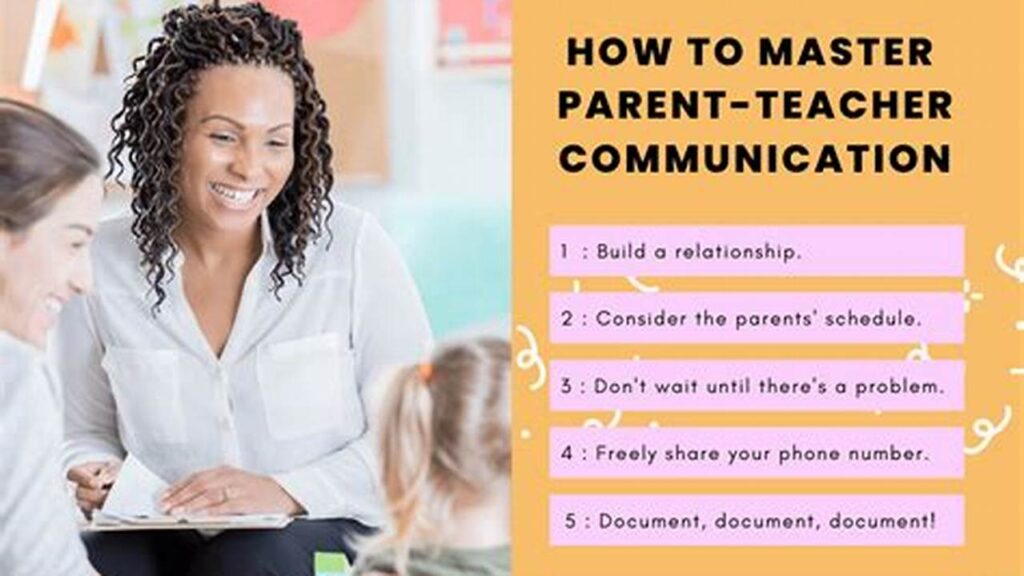

Open and consistent communication between teachers and parents is crucial for student success. A strong partnership fosters a supportive learning environment, enabling students to thrive academically, socially, and emotionally. When teachers and parents work together, they can identify and address learning challenges, celebrate achievements, and create a cohesive approach to education.
Building Relationships
Establishing positive relationships early in the school year lays the groundwork for effective communication throughout. Initial contact should be welcoming and informative, setting a tone of collaboration.
Regular Updates
Providing frequent updates on student progress, both positive and constructive, keeps parents informed and involved. This can include regular newsletters, progress reports, or individual communication.
Multiple Communication Channels
Utilizing various communication methods, such as email, phone calls, school platforms, and parent-teacher conferences, ensures accessibility and accommodates diverse parent preferences.
Active Listening
Listening attentively to parent concerns and perspectives is vital for building trust and understanding. This involves acknowledging their input and responding thoughtfully.
Clear and Concise Messaging
Communicating in a clear, concise, and respectful manner avoids misunderstandings and ensures that information is easily understood by all parties.
Cultural Sensitivity
Recognizing and respecting cultural differences in communication styles enhances understanding and fosters a more inclusive learning environment.
Confidentiality
Maintaining student and family confidentiality is paramount. Information shared between teachers and parents should be treated with sensitivity and discretion.
Collaboration and Problem-Solving
Working collaboratively with parents to address student challenges and develop solutions promotes a sense of shared responsibility for student success.
Documentation
Maintaining records of communication ensures clarity and provides a valuable reference point for future discussions and decision-making.
Tips for Effective Communication
Tip 1: Be Proactive. Initiate communication early and often, rather than waiting for issues to arise.
Tip 2: Be Prepared. Gather relevant information and data before communicating with parents, ensuring accurate and informed discussions.
Tip 3: Be Positive. Focus on student strengths and areas for growth, framing feedback constructively.
Tip 4: Be Patient. Building strong relationships takes time and effort. Be patient and understanding in your interactions with parents.
Frequently Asked Questions
How can I communicate effectively with parents who have limited availability? Explore alternative communication methods, such as brief phone calls, text messages, or utilizing school communication platforms.
What strategies can be used to address challenging conversations with parents? Approach conversations with empathy, active listening, and a focus on finding solutions collaboratively. Maintain a calm and respectful demeanor throughout the discussion.
How can schools support teachers in developing effective communication skills? Professional development opportunities focused on communication strategies, conflict resolution, and cultural sensitivity can equip teachers with the necessary skills.
How can technology be utilized to enhance parent-teacher communication? School communication platforms, email, and other digital tools can facilitate efficient and accessible communication.
What are some examples of effective communication strategies for sharing student progress? Regular progress reports, parent-teacher conferences, student portfolios, and digital communication platforms can be used to share student progress effectively.
How can communication be adapted to meet the needs of diverse families? Consider language barriers, cultural differences, and varying levels of access to technology when developing communication strategies. Providing information in multiple languages and offering flexible communication options can ensure accessibility for all families.
By prioritizing effective communication, teachers can cultivate strong partnerships with parents, creating a supportive and enriching learning environment that benefits all students.