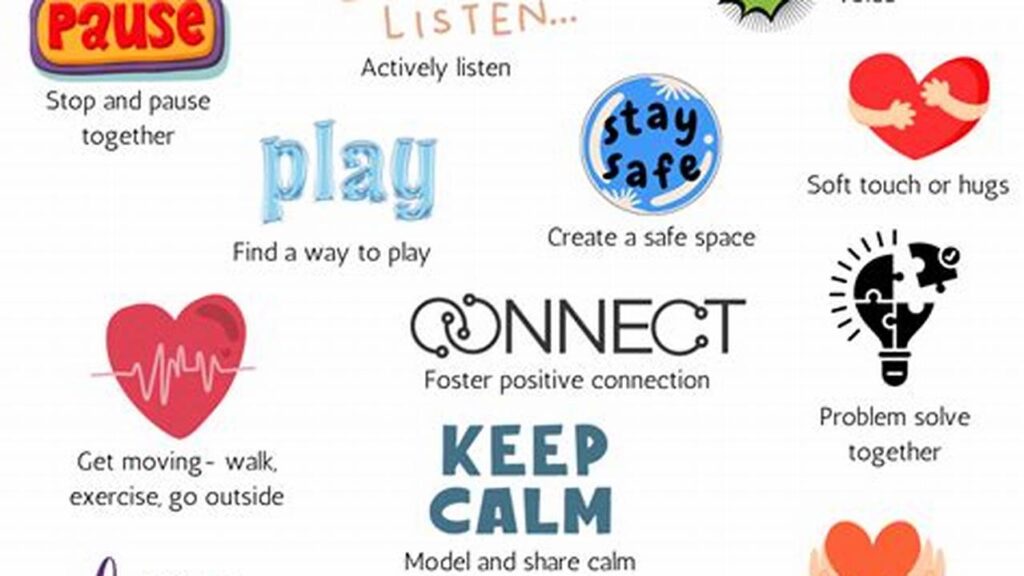

Helping children manage their emotions and behaviors is a crucial aspect of parenting. This involves a collaborative approach where parents and children work together, rather than parents solely imposing control. This collaborative process fosters emotional intelligence, resilience, and positive parent-child relationships. It provides children with the tools they need to navigate challenging situations and develop self-regulation skills over time.
Understanding Emotional Development
Children’s emotional responses evolve as they mature. Recognizing these developmental stages helps parents tailor their support effectively.
Building a Strong Parent-Child Connection
A secure and loving relationship provides a foundation for emotional security and open communication.
Active Listening and Empathy
Truly hearing and understanding a child’s perspective helps validate their feelings and build trust.
Modeling Calm and Regulated Behavior
Children learn by observing adults. Demonstrating healthy emotional regulation provides a powerful example.
Creating a Supportive Environment
Predictable routines and a calm home environment can minimize triggers and promote emotional stability.
Teaching Emotional Literacy
Helping children identify and label their emotions empowers them to communicate their needs effectively.
Collaborative Problem-Solving
Working together to find solutions to challenging situations teaches children valuable coping skills.
Setting Clear Expectations and Boundaries
Consistent and age-appropriate expectations provide a sense of security and structure.
Providing Opportunities for Practice
Regularly practicing emotional regulation skills in everyday situations reinforces learning.
Seeking Professional Support When Needed
Don’t hesitate to reach out to therapists or counselors for guidance and support when facing persistent challenges.
Tip 1: Validate Feelings
Acknowledge and accept your child’s emotions without judgment, even if you don’t agree with their perspective.
Tip 2: Offer Choices
Giving children age-appropriate choices empowers them and fosters a sense of control.
Tip 3: Use Calming Techniques
Teach children relaxation techniques like deep breathing or mindfulness exercises to manage overwhelming emotions.
Tip 4: Celebrate Successes
Acknowledge and praise even small steps toward improved emotional regulation.
What if my child’s emotional outbursts are frequent and intense?
Consult with a child psychologist or therapist who can assess the situation and provide tailored strategies.
How can I manage my own emotions when my child is having a difficult time?
Prioritizing self-care and seeking support for yourself is essential for effective co-regulation. Taking breaks when needed and practicing self-regulation techniques can help you model healthy coping mechanisms.
At what age can I start using these techniques?
Elements of co-regulation can be implemented from infancy. As children grow, the strategies can be adapted to their developmental stage.
What if I feel like I’m not making progress?
Consistency and patience are key. It takes time for children to develop emotional regulation skills. Don’t hesitate to seek professional guidance for additional support and adjustments to your approach.
How do I adapt co-regulation strategies for different children’s temperaments?
Recognize that each child is unique. Observe your child’s individual responses and tailor your approach accordingly. Some children may respond better to quiet time while others benefit from physical activity to release energy.
How can I incorporate co-regulation into daily routines?
Embed co-regulation practices into everyday moments like mealtimes, bedtime, or during transitions. These consistent interactions can reinforce emotional regulation skills naturally.
Supporting a child’s emotional development through a collaborative approach fosters resilience, strengthens the parent-child bond, and equips children with essential life skills. By understanding and implementing these strategies, parents can empower their children to navigate the complexities of their emotions and thrive.