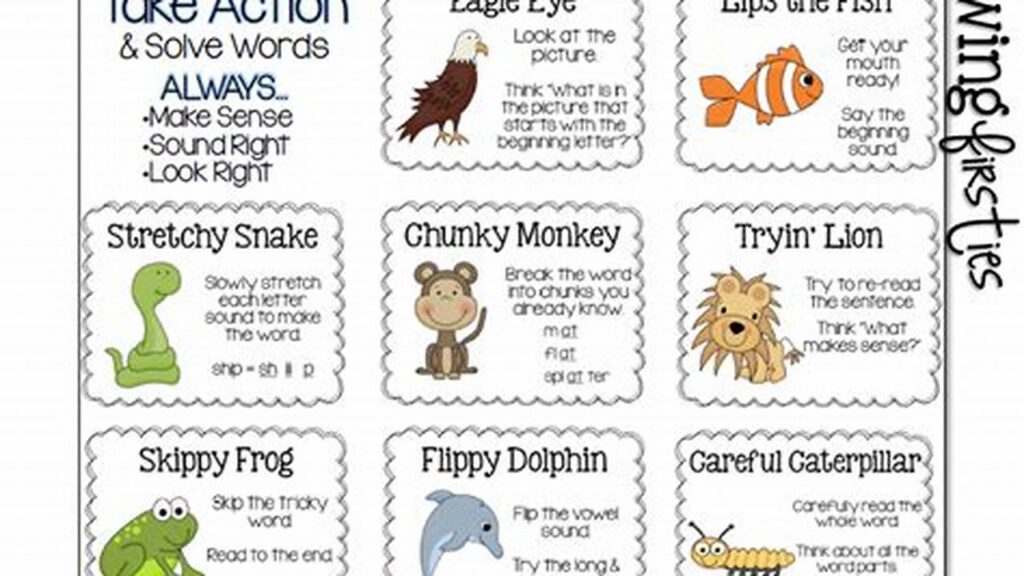

Fostering a love of reading in young children is crucial for their future academic success and overall development. Providing a supportive and engaging reading environment at home can significantly contribute to a child’s literacy journey. Simple, accessible techniques can empower parents to become effective reading mentors for their kindergarteners, laying a solid foundation for lifelong learning.
Building a Reading-Rich Environment
Creating a dedicated reading space stocked with age-appropriate books encourages children to explore the world of literature independently.
Making Reading a Daily Routine
Establishing a consistent reading time, whether before bed or after dinner, helps children associate reading with comfort and predictability.
Interactive Reading Sessions
Engaging children in discussions about the story, characters, and illustrations enhances comprehension and critical thinking skills.
Modeling Reading Enthusiasm
Children often emulate adult behavior. Parents who visibly enjoy reading inspire their children to embrace reading as a pleasurable activity.
Utilizing Diverse Reading Materials
Exploring various formats, such as picture books, magazines, and comics, broadens children’s exposure to different genres and writing styles.
Connecting Reading to Real-World Experiences
Relating stories to children’s everyday lives or upcoming events makes reading more relevant and meaningful.
Visiting the Library Regularly
Library visits provide access to a wide array of books and foster a sense of community around reading.
Incorporating Reading into Playtime
Using puppets, props, or dress-up activities related to stories enhances engagement and creativity.
Focusing on Phonemic Awareness
Playing rhyming games and engaging in activities that focus on sounds and syllables develops crucial pre-reading skills.
Celebrating Reading Achievements
Acknowledging and praising children’s reading progress, no matter how small, boosts their confidence and motivation.
Tips for Engaging Kindergarteners with Reading
Tip 1: Start with books that feature vibrant illustrations and repetitive phrases to capture their attention.
Tip 2: Use different voices and expressive tones when reading aloud to make stories more captivating.
Tip 3: Encourage children to retell stories in their own words to reinforce comprehension.
Tip 4: Let children choose the books they want to read to foster a sense of ownership and autonomy.
Frequently Asked Questions
What if my child struggles with a particular word?
Encourage them to sound it out, look at the pictures for clues, or simply move on and enjoy the overall story.
How can I make reading fun for a child who seems disinterested?
Try incorporating interactive elements, such as puppets or props, or exploring different genres and formats.
How much time should I dedicate to reading with my kindergartener each day?
Even 15-20 minutes of dedicated reading time can make a significant difference.
What are some signs that my child is ready for more challenging books?
If they are reading fluently and comprehending complex storylines, they may be ready to explore books with longer chapters and more advanced vocabulary.
How can I support my child’s reading development during the summer months?
Enroll them in summer reading programs, visit the library regularly, and continue to make reading a part of your daily routine.
What if my child prefers being read to rather than reading independently?
Being read to is a valuable experience that builds vocabulary and comprehension. Continue reading aloud while also providing opportunities for independent exploration of books.
Cultivating early literacy skills through consistent engagement and a nurturing environment sets the stage for a lifetime of learning and discovery. By implementing these simple strategies, parents can play a vital role in fostering a love of reading in their kindergarteners, equipping them with essential skills for future success.