
Developing strong reading comprehension skills is crucial for a child’s academic success and lifelong learning. Parents play a vital role in nurturing these skills at home, creating a supportive environment and employing effective strategies to help children understand and engage with texts.
Importance of Reading Comprehension Development
Solid reading comprehension abilities form the foundation for academic achievement across all subjects.
Enhanced Critical Thinking
Comprehending text involves analyzing information, identifying key ideas, and drawing inferences, fostering critical thinking skills.
Improved Vocabulary Acquisition
Exposure to diverse texts through reading expands vocabulary and strengthens language skills.
Greater Academic Success
Strong comprehension skills translate to better performance in all academic areas, from language arts to science and math.
Lifelong Learning
The ability to understand and interpret written information is essential for continuous learning throughout life.
Increased Reading Enjoyment
When children can understand what they read, they are more likely to find reading enjoyable and engaging.
Improved Communication Skills
Reading comprehension strengthens both written and oral communication skills.
Development of Empathy and Understanding
Reading exposes children to diverse perspectives and experiences, fostering empathy and understanding.
Enhanced Problem-Solving Abilities
Comprehending complex texts often involves problem-solving and analytical thinking.
Cultivation of a Love for Reading
By fostering strong comprehension skills, parents can help children develop a lifelong love of reading.
Tips for Parents to Foster Reading Comprehension at Home
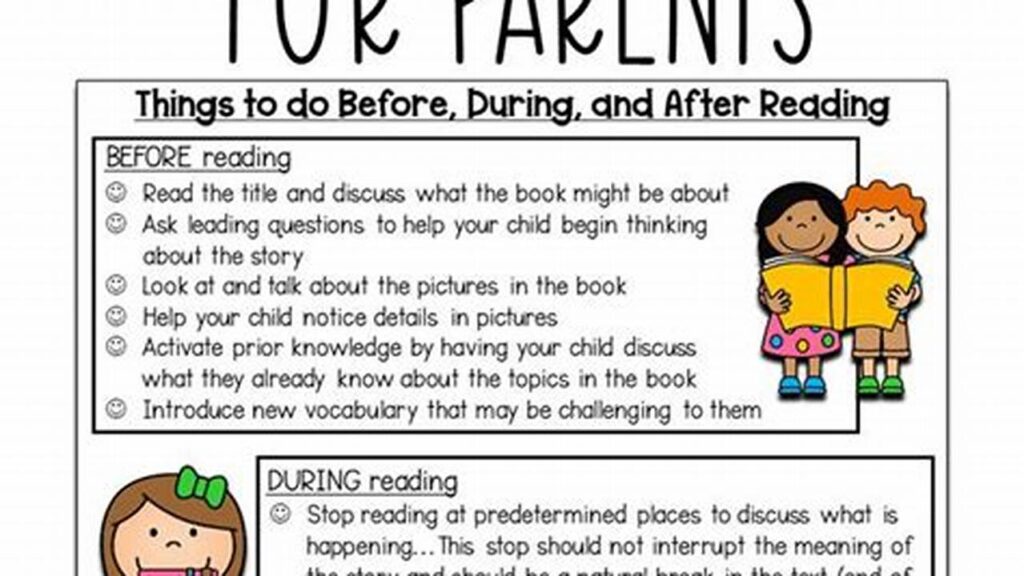
Create a Reading-Rich Environment: Surround children with books, magazines, and other reading materials. Designate a comfortable reading area and make reading a regular part of the family routine.
Engage in Shared Reading: Read aloud to children of all ages, discussing the story and asking questions to check for understanding.
Encourage Active Reading Strategies: Teach children techniques like highlighting, note-taking, and summarizing to improve comprehension.
Connect Reading to Real-World Experiences: Relate reading material to children’s lives and interests to make it more meaningful.
Frequently Asked Questions
How can I help my child who struggles with reading comprehension?
Focus on building foundational skills like phonics and vocabulary. Provide extra support and practice, and consider seeking professional guidance if necessary.
What are some effective questioning techniques to use during shared reading?
Ask open-ended questions that encourage critical thinking, such as “Why do you think the character did that?” or “What do you predict will happen next?”
How can I make reading more engaging for my child?
Choose books that align with their interests and offer a variety of reading materials, including graphic novels, magazines, and online articles.
At what age should I start focusing on reading comprehension with my child?
Reading comprehension skills can be developed from an early age. Start by discussing stories and asking simple questions during read-aloud sessions, even with very young children.
How do I know if my child needs extra help with reading comprehension?
Observe their reading habits and look for signs of difficulty, such as frequently rereading passages, difficulty answering questions about the text, or a general lack of interest in reading.
What resources are available for parents seeking additional support?
Libraries, schools, and online educational platforms offer a wealth of resources, including reading programs, workshops, and expert advice.
By actively engaging in these strategies, parents can equip their children with the essential reading comprehension skills necessary for academic success and a lifelong love of learning.