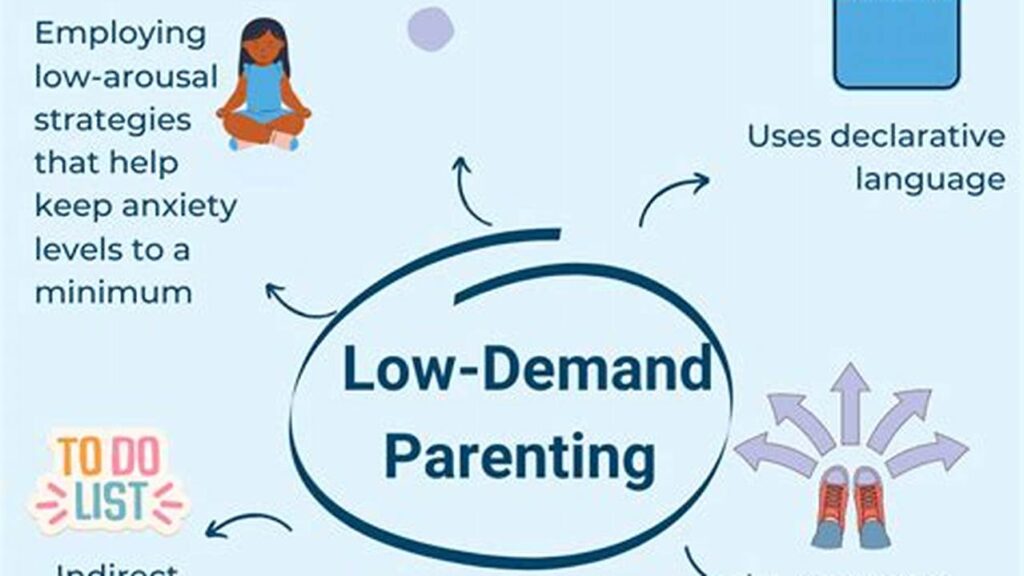

Raising a child with Pathological Demand Avoidance (PDA) presents unique challenges. Understanding the nature of PDA, which is characterized by an overwhelming need to avoid everyday demands and expectations, is crucial for effective parenting. Supportive strategies and techniques can significantly improve family dynamics and foster a child’s well-being.
Understanding PDA
Recognizing the anxiety-driven nature of demand avoidance is fundamental. This isn’t defiance or manipulation; it’s a neurological difference affecting how a child processes and responds to expectations.
Building Trust and Rapport
A strong parent-child relationship built on trust and mutual respect is paramount. This provides a secure foundation for navigating challenges and implementing strategies.
Reducing Demands
Minimizing direct instructions and demands can lessen anxiety and increase cooperation. Indirect language and offering choices can be more effective.
Negotiation and Flexibility
Negotiating and offering flexibility can empower the child and reduce the feeling of being controlled, which often triggers demand avoidance.
Using Indirect Language
Phrasing requests as suggestions or options can make them less threatening and more palatable.
Providing Choices
Offering choices, even small ones, gives the child a sense of control and autonomy, making them more likely to cooperate.
Creating Predictable Routines
Predictability and routine can reduce anxiety and provide a sense of security. Knowing what to expect can lessen the likelihood of demand avoidance.
Seeking Professional Support
Guidance from therapists, educators, and support groups specializing in PDA can provide valuable insights and tailored strategies.
Tips for Navigating Daily Challenges
Tip 1: Focus on Collaboration: Instead of imposing demands, work with the child to find mutually agreeable solutions.
Tip 2: Validate Feelings: Acknowledge and validate the child’s feelings, even if they seem irrational. This helps build trust and understanding.
Tip 3: Celebrate Small Victories: Recognize and praise even small achievements to build confidence and encourage positive behavior.
Tip 4: Practice Self-Care: Parenting a child with PDA can be demanding. Prioritizing self-care is essential for maintaining well-being and effectively supporting the child.
Frequently Asked Questions
How is PDA different from typical childhood defiance?
PDA is rooted in anxiety and the need to avoid demands, not a desire to disobey or challenge authority.
What are some common triggers for demand avoidance?
Common triggers include direct instructions, pressure, perceived lack of control, and changes in routine.
How can I find support for my family?
Support groups, online forums, and organizations specializing in PDA can provide valuable resources and connect families with similar experiences.
Are there any long-term implications of PDA?
With appropriate support and strategies, individuals with PDA can learn to manage their anxiety and develop coping mechanisms for navigating everyday life.
What if traditional discipline methods don’t work?
Traditional discipline often exacerbates PDA. Focus on building trust, reducing demands, and collaborating with the child.
How can schools support students with PDA?
Educators can implement strategies like flexible learning environments, reduced demands, and individualized support plans to help students with PDA thrive.
Implementing these approaches requires patience, understanding, and a willingness to adapt. By focusing on building a strong relationship and employing strategies tailored to the child’s needs, parents can create a supportive environment that fosters growth and well-being.