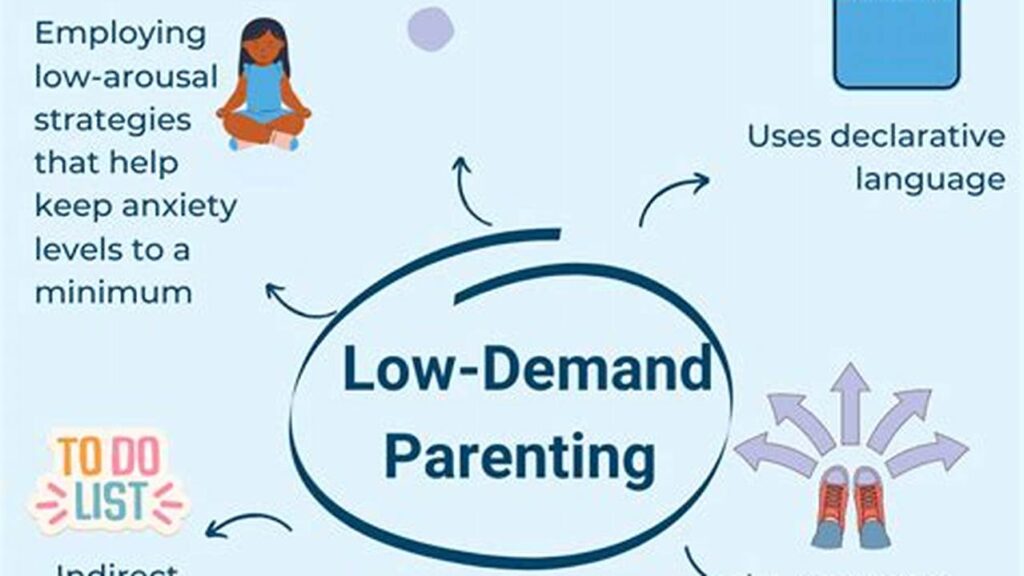

Raising a child with Pathological Demand Avoidance (PDA) presents unique challenges. Understanding this profile, which is often considered part of the autism spectrum, requires a shift from traditional parenting approaches. Success lies in recognizing the anxiety-driven nature of demand avoidance and implementing strategies that reduce pressure and foster cooperation.
Understanding the PDA Profile
Children with PDA often appear capable and intelligent but struggle immensely with everyday demands, even seemingly minor ones. This isn’t defiance, but a deep-seated anxiety response. Recognizing this distinction is fundamental to effective parenting.
Building a Strong Parent-Child Relationship
A positive, trusting relationship forms the bedrock of successful PDA parenting. This involves minimizing power struggles and focusing on connection.
Flexibility and Negotiation
Rigidity exacerbates demand avoidance. Flexibility and a willingness to negotiate, offering choices and indirect language, can significantly reduce anxiety and encourage cooperation.
Reducing Demands
Minimizing demands, particularly those perceived as non-negotiable, is crucial. Prioritizing essential requests and letting go of less important ones can create a calmer environment.
Using Indirect Language
Phrasing requests as suggestions or choices, rather than direct commands, can make them feel less demanding and increase the likelihood of compliance.
Creating a Predictable and Consistent Environment
Predictability reduces anxiety. Establishing routines and providing clear expectations can help children feel more secure and in control.
Sensory Considerations
Sensory sensitivities are common in individuals with PDA. Understanding and accommodating these sensitivities can contribute to a more comfortable and cooperative environment.
Supporting Emotional Regulation
Helping children develop emotional regulation skills equips them to manage anxiety and respond more appropriately to demands.
Seeking Professional Support
Guidance from therapists, educators, and support groups specializing in PDA can provide invaluable tools and strategies for parents.
Tips for Navigating Everyday Challenges
Tip 1: Offer choices instead of issuing direct commands. For example, instead of saying “Put on your shoes,” try “Do you want to wear the red shoes or the blue shoes?”
Tip 2: Use humor and play to diffuse tense situations. A lighthearted approach can often reduce anxiety and make tasks feel less demanding.
Tip 3: Validate the child’s feelings. Acknowledging their difficulty with demands can help them feel understood and less defensive.
Tip 4: Celebrate small successes. Positive reinforcement encourages cooperation and builds confidence.
Frequently Asked Questions
How does PDA differ from typical defiance?
PDA is rooted in anxiety, not willful disobedience. Children with PDA want to comply but experience overwhelming anxiety when faced with demands.
What are some examples of indirect language?
Instead of “Get dressed now,” try “It’s time to think about getting dressed. What do you want to wear first?”
Where can I find support for PDA?
Online support groups, therapists specializing in autism and PDA, and educational professionals can offer guidance and resources.
Is PDA a lifelong condition?
While PDA is a lifelong neurodevelopmental difference, individuals can learn strategies to manage their anxiety and navigate demands more effectively.
How can I help my child with PDA manage their anxiety?
Teaching relaxation techniques, creating a predictable environment, and validating their feelings can support emotional regulation.
What role does sensory processing play in PDA?
Sensory sensitivities can exacerbate anxiety and demand avoidance. Addressing these sensitivities can create a more supportive environment.
Successfully navigating the complexities of PDA parenting requires understanding, patience, and a willingness to adapt. By embracing these strategies, parents can build strong relationships with their children and empower them to thrive.