
Oppositional defiant disorder (ODD) presents significant challenges for both children and their families. Effective management of ODD behaviors requires a multifaceted approach grounded in proven parenting strategies and practical tips. This information aims to provide parents and caregivers with valuable tools and insights to navigate the complexities of ODD, fostering a more positive and harmonious family environment.
Understanding the Core Challenges
ODD often manifests as persistent argumentativeness, defiance, and hostility towards authority figures. Recognizing these behaviors as symptoms of a diagnosable condition is the first step towards effective intervention.
Building Positive Parent-Child Relationships
Nurturing a strong, supportive relationship built on trust and mutual respect is crucial for managing ODD. This foundation can create a more receptive environment for behavioral interventions.
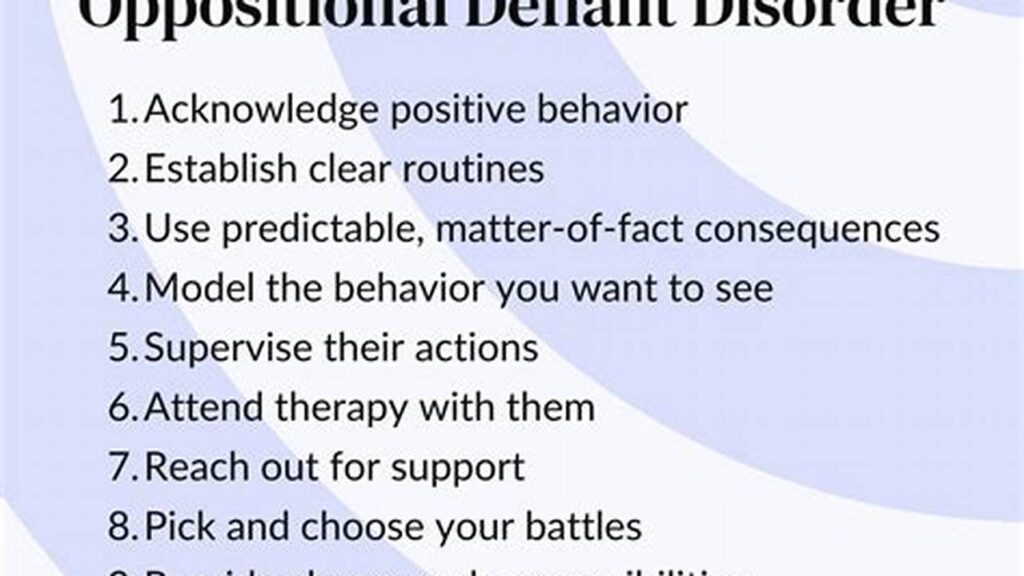
Consistent Discipline and Clear Expectations
Establishing clear and consistent rules and consequences is essential. Children with ODD thrive in structured environments where expectations are predictable and consistently enforced.
Effective Communication Strategies
Learning to communicate effectively with a child exhibiting ODD behaviors can significantly reduce conflict. Techniques like active listening and calm, clear communication can de-escalate tense situations.
Seeking Professional Guidance
Consulting with therapists, counselors, or other mental health professionals specializing in ODD is highly recommended. Professional guidance can provide tailored strategies and support for both the child and the family.
Creating a Supportive Home Environment
A structured and supportive home environment can minimize triggers and promote positive behaviors. This includes establishing routines, providing a safe space for emotional expression, and minimizing stressors.
Focusing on Positive Reinforcement
Rewarding positive behaviors, however small, can encourage their repetition. Positive reinforcement can be more effective than punishment in shaping desired behaviors.
Self-Care for Parents and Caregivers
Caring for a child with ODD can be emotionally and mentally taxing. Prioritizing self-care is essential for parents and caregivers to maintain their well-being and effectively support their child.
Tips for Managing ODD Behaviors
Tip 1: Stay Calm. Reacting calmly to challenging behaviors can prevent escalation and model appropriate emotional regulation.
Tip 2: Pick Your Battles. Not every conflict needs to be a confrontation. Choosing which behaviors to address can reduce overall tension.
Tip 3: Offer Choices. Giving children choices, even small ones, can empower them and reduce feelings of powerlessness.
Tip 4: Use Positive Language. Framing requests and instructions positively can increase cooperation and reduce defiance.
Frequently Asked Questions
How is ODD diagnosed? Diagnosis typically involves a comprehensive evaluation by a mental health professional, considering behavioral patterns, duration, and impact on functioning.
Is medication used to treat ODD? Medication is not typically the first line of treatment for ODD. Behavioral therapy and parenting strategies are usually prioritized.
Can ODD be outgrown? While some children with ODD may see a reduction in symptoms as they mature, others may continue to experience challenges. Early intervention is crucial.
How can schools support children with ODD? Collaboration between parents, schools, and mental health professionals is essential. Individualized education plans (IEPs) and behavioral interventions within the school setting can be beneficial.
What are the long-term implications of untreated ODD? Untreated ODD can increase the risk of developing other mental health conditions, such as anxiety and depression, later in life.
Where can I find additional resources and support? Numerous organizations and online resources offer valuable information and support for families dealing with ODD. Contacting local mental health agencies or national organizations specializing in behavioral health can provide further guidance.
Successfully navigating the challenges of ODD requires patience, understanding, and consistent application of proven strategies. By utilizing these resources and seeking professional guidance, parents and caregivers can empower their children to develop positive coping mechanisms and build a foundation for a brighter future.