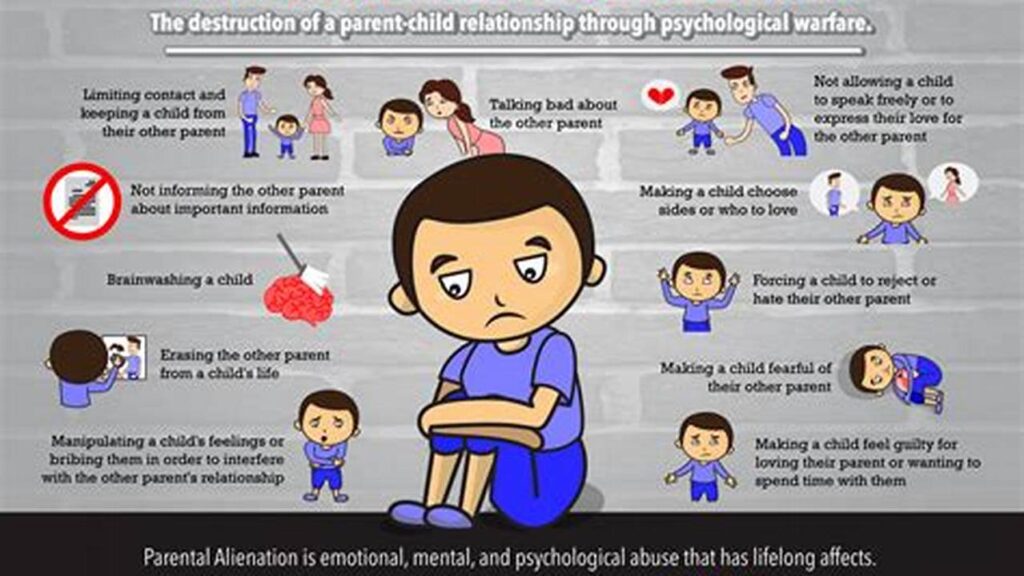

Understanding the dynamics of manipulative tactics employed in family disputes is crucial for protecting the well-being of children. This involves recognizing behaviors that contribute to a child’s unjustified rejection of a parent. Identifying these behaviors early can facilitate appropriate intervention and support for both the child and the targeted parent.
Eight Key Indicators
Sudden and unexplained negativity towards a parent can be a warning sign.
A child expressing borrowed scenarios or phrases that seem rehearsed or coached is concerning.
Demonizing one parent while idealizing the other without justifiable cause raises red flags.
Refusal to spend time or communicate with a parent without valid reasoning is a significant indicator.
Making extreme accusations against a parent that are unsubstantiated requires careful examination.
Lack of remorse or guilt for mistreating the alienated parent is a troubling sign.
The child aligning with one parent against the other in a rigid and unwavering manner warrants attention.
Expressing views and opinions that appear beyond the child’s developmental stage or experience is suspicious.
Four Tips for Addressing the Issue
Seek professional guidance from therapists or counselors specializing in family dynamics and high-conflict separation/divorce.
Document specific instances of concerning behaviors with dates, times, and detailed descriptions.
Encourage open communication with the child, validating their feelings while reinforcing the importance of a relationship with both parents.
Maintain a consistent and loving approach towards the child, avoiding negative comments about the other parent.
Frequently Asked Questions
What are the long-term effects on children?
Long-term effects can include damaged relationships, mental health issues, and difficulties forming healthy attachments in the future.
How can legal professionals assist?
Legal professionals can play a role in advocating for the child’s best interests and ensuring court orders protect against harmful manipulation.
Is it always the mother who alienates the child?
No, alienation can be perpetrated by either parent, or even other family members.
What if the child genuinely dislikes a parent due to past behavior?
Differentiating genuine concerns from manipulative influence requires careful assessment by trained professionals. It’s essential to address any legitimate issues while also protecting against unwarranted alienation.
Can alienation be reversed?
With appropriate intervention and therapeutic support, the process can be addressed, and relationships can be repaired, although it requires time and commitment.
How can schools and other community members support children experiencing parental alienation?
Educating school personnel and community members about the dynamics of parental alienation can help them identify and support affected children while maintaining neutrality and encouraging healthy family relationships.
Addressing these manipulative tactics requires a multifaceted approach involving professional guidance, legal support, and a focus on the child’s well-being. Early recognition and intervention are crucial for mitigating the negative impact and fostering healthy family relationships.