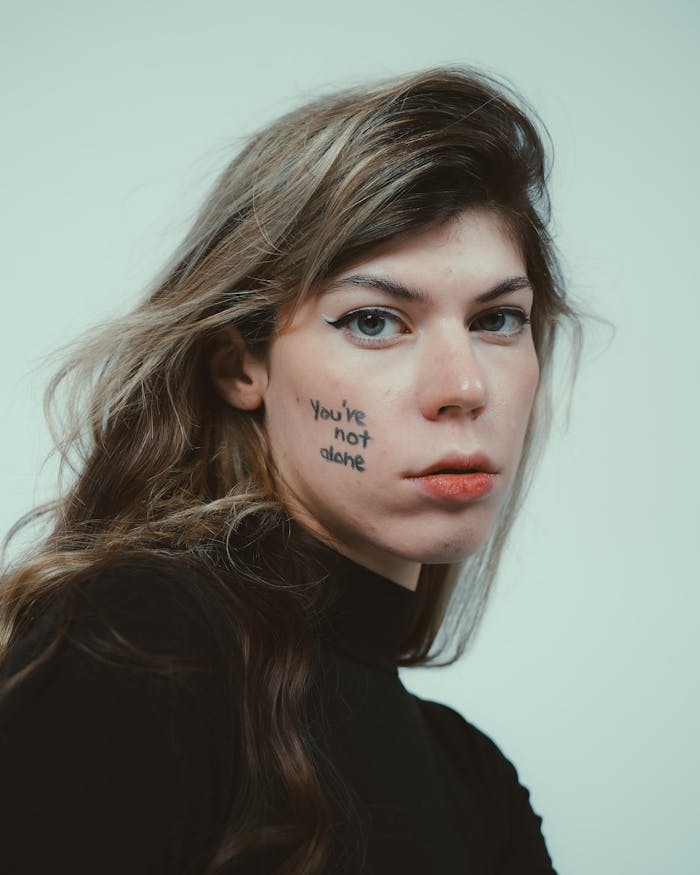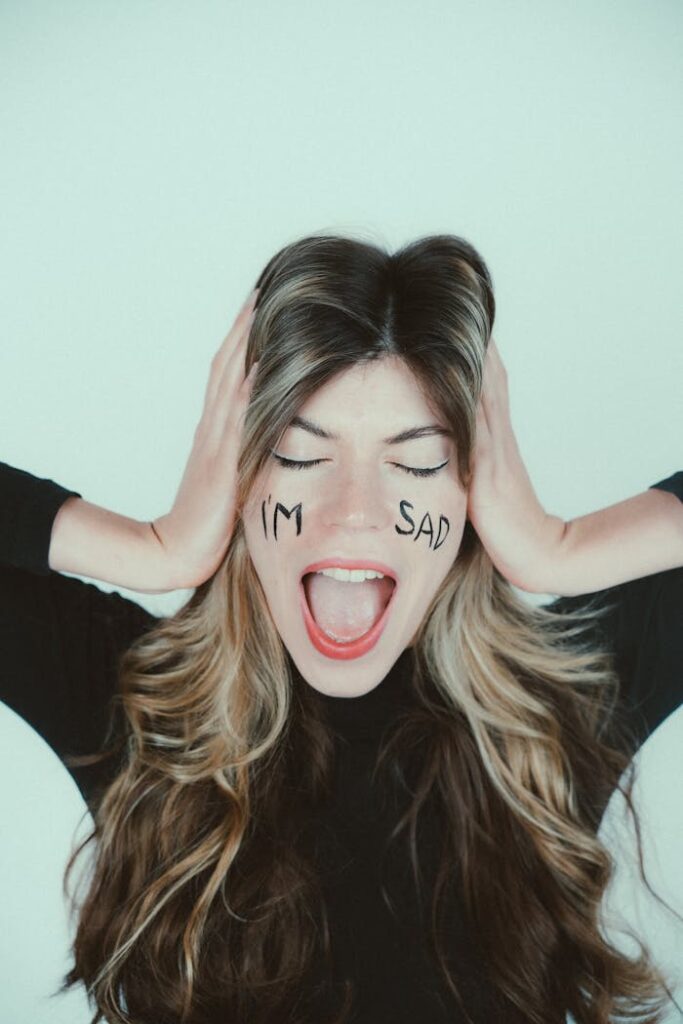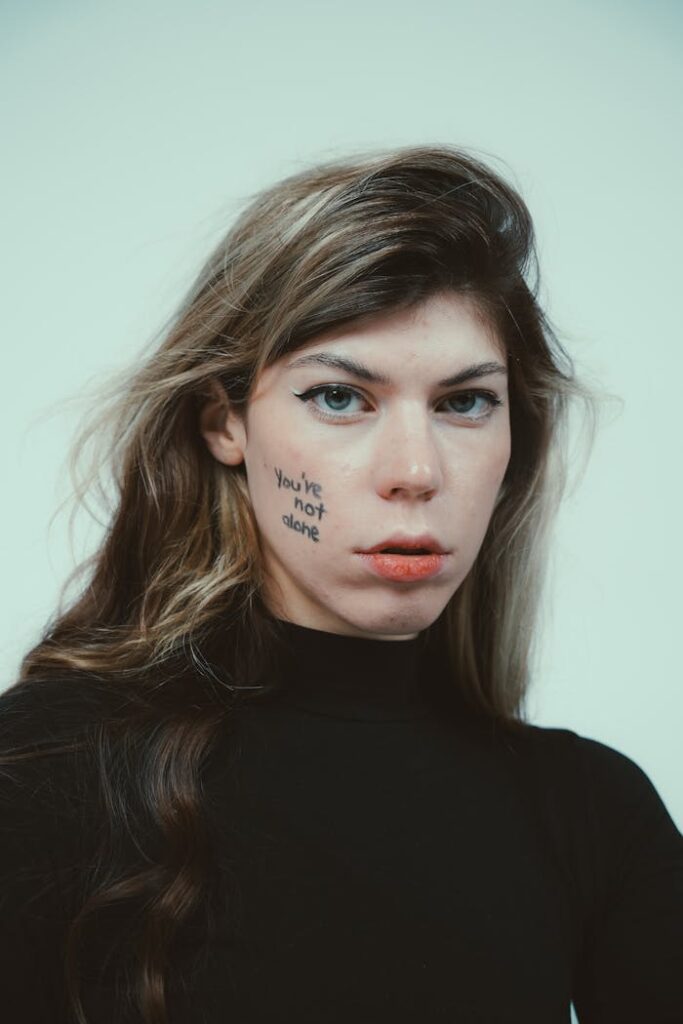
For many mothers, the birth of a child is a joyous occasion, filled with excitement and hope for the future. But for some, those first few weeks and months after giving birth can also bring unexpected challenges—feelings of sadness, anxiety, or disconnection that seem at odds with the happiness they were expecting. If this sounds familiar, you’re not alone.
Postpartum depression (PPD) affects millions of women worldwide. It’s more than just the “baby blues,” and it’s not a sign of failure or weakness. PPD is a medical condition that requires understanding, compassion, and, most importantly, support.
This article will explore what postpartum depression is, its signs and causes, and how you can seek help if you or a loved one is experiencing it. Together, we’ll break down the stigma and offer actionable steps to find relief and recovery.
What is Postpartum Depression?
Postpartum depression is a type of depression that occurs after childbirth. While it’s normal for new moms to feel emotional or overwhelmed as they adjust to life with a newborn, PPD is more intense and longer-lasting.
How is PPD Different from the “Baby Blues”?
The “baby blues” are a common experience for up to 80% of new mothers. They include mood swings, crying spells, and feelings of overwhelm that typically resolve within two weeks postpartum. In contrast, postpartum depression persists beyond this period and can significantly impact a mother’s ability to care for herself and her baby.
Who is Affected by Postpartum Depression?
PPD can affect any mother, regardless of age, background, or whether it’s her first child or not. Studies estimate that about 1 in 7 mothers experience PPD, though the numbers may be higher due to underreporting.
It’s important to understand that postpartum depression is not a choice or a reflection of your parenting abilities. It’s a medical condition that can be treated with the right support.
Recognizing the Signs of Postpartum Depression
Identifying the symptoms of postpartum depression can be the first step toward getting help. PPD doesn’t look the same for everyone, but here are some common signs to watch for:
Emotional Symptoms
- Persistent sadness or hopelessness.
- Feeling anxious, irritable, or overwhelmed.
- Guilt or shame, often related to not being a “good enough” mom.
- Difficulty enjoying activities that used to bring joy.
- Feeling disconnected from your baby or doubting your bond.
Physical Symptoms
- Constant fatigue or lack of energy, even after resting.
- Changes in appetite—eating too much or too little.
- Trouble sleeping, even when the baby is asleep.
- Physical aches and pains without a clear medical cause.
Behavioral Symptoms
- Avoiding friends and family or withdrawing from loved ones.
- Difficulty concentrating or making decisions.
- Experiencing intrusive thoughts, such as fear of harming yourself or your baby (in severe cases).
How to Spot PPD in Yourself or Others
Sometimes, moms experiencing PPD may not recognize it themselves. Loved ones can help by gently asking questions like:
- “How are you feeling emotionally?”
- “Do you feel like yourself lately?”
- “Is there anything I can do to support you?”
Why Does Postpartum Depression Happen?
Postpartum depression is complex, and understanding its causes can help reduce feelings of guilt or inadequacy. The truth is, PPD arises from a combination of biological, emotional, and social factors that are often beyond a mom’s control.
1. Hormonal Changes
During pregnancy, a mother’s body undergoes dramatic hormonal shifts. After childbirth, levels of estrogen and progesterone drop rapidly. These hormones, which help regulate mood, can trigger feelings of sadness or irritability when they decrease.
- Cortisol and Stress: Increased levels of cortisol (the stress hormone) during postpartum recovery can amplify feelings of anxiety.
- Thyroid Dysfunction: Some mothers develop postpartum thyroiditis, which can mimic or worsen symptoms of depression.
Example: A new mom might notice sudden mood swings or fatigue unrelated to lack of sleep. These aren’t signs of weakness—they’re a biological response to the hormonal rollercoaster of postpartum recovery.
2. Sleep Deprivation
Sleep deprivation is almost synonymous with motherhood. Newborns wake frequently, leaving mothers with fragmented sleep patterns. Chronic lack of sleep isn’t just exhausting—it impacts brain function and mood regulation.
- Sleep deprivation can impair decision-making and heighten emotional sensitivity, making even minor challenges feel overwhelming.
- Research shows that new mothers getting less than 5 hours of uninterrupted sleep per night are significantly more likely to develop postpartum depression.
Tip: Partners or support systems can help by sharing nighttime duties, giving moms longer stretches of sleep.
3. Emotional Adjustments
Motherhood is life-changing. While welcoming a baby is joyous, it also brings a host of emotional challenges:
- Identity Shifts: Many mothers struggle to reconcile their pre-baby identity with their new role as a parent.
- Pressure to Be Perfect: Social media often amplifies unrealistic expectations of motherhood, leaving moms feeling inadequate.
- Bonding Difficulties: Not all mothers feel an instant connection with their baby, which can cause feelings of guilt or shame.
Real Story: Sarah, a first-time mom, found herself overwhelmed by the constant demands of caring for her baby. Despite her love for her child, she couldn’t shake the fear that she wasn’t doing enough. Once she understood that these feelings were common and treatable, she sought therapy and learned to navigate her new role with confidence.
4. Lack of Support
The saying “it takes a village” couldn’t be truer for new moms. Without a reliable support system, feelings of isolation can set in.
- Single Moms: Those parenting alone often face additional financial and emotional stress.
- Geographic Isolation: Mothers who live far from family or friends may struggle to find help.
- Cultural Stigma: In some cultures, discussing mental health openly is discouraged, leaving moms to suffer in silence.
Did You Know? Studies show that mothers with strong social support systems are less likely to experience postpartum depression. Building connections with other moms, family, or community groups can be a game-changer.
5. Preexisting Mental Health Conditions
Moms with a history of depression, anxiety, or trauma may be at higher risk for postpartum depression.
- History of Miscarriage or Infertility: These experiences can complicate emotions surrounding childbirth.
- Stressful Pregnancies: Complications during pregnancy or delivery can contribute to PPD.
Recognizing these risk factors doesn’t mean PPD is inevitable. With the right care, moms can prevent symptoms from escalating.
How to Seek Help for Postpartum Depression
Taking the first step to seek help for postpartum depression can feel intimidating, but it’s one of the most important things you can do for yourself and your baby. Here’s how to navigate the process.
Step 1: Recognize You’re Not Alone
Many moms hesitate to seek help because they believe they’re the only ones struggling. In reality, postpartum depression affects millions of women each year. Reaching out for support isn’t just okay—it’s necessary.
Did You Know? Famous moms like Adele and Serena Williams have openly shared their struggles with postpartum depression, helping to reduce stigma and normalize seeking help.
Step 2: Talk to a Professional
Speaking with a healthcare provider is a vital step. Professionals can diagnose postpartum depression and recommend appropriate treatments.
- Start with Your OB-GYN or Pediatrician: Many doctors routinely screen for PPD during postpartum check-ups. Be honest about how you’re feeling—there’s no need to hide your struggles.
- Therapy Options:
- Cognitive Behavioral Therapy (CBT): This evidence-based approach helps you identify and change negative thought patterns.
- Group Therapy: Connecting with other moms experiencing similar challenges can provide comfort and practical advice.
Example: Emma, a mother of three, felt hesitant to open up to her doctor about her persistent sadness. Once she did, she was referred to a therapist who helped her work through her feelings. Within months, she felt more like herself again.
Step 3: Consider Medication
In some cases, antidepressants may be recommended. Modern medications are safe for postpartum use, including for breastfeeding mothers.
- How It Works: Antidepressants help balance brain chemicals linked to mood regulation.
- What to Expect: It may take a few weeks to notice improvement, and side effects are typically mild.
Tip: Always consult with your healthcare provider to find the right medication and dosage.
Step 4: Build a Support System
Having a strong network can make a world of difference during postpartum recovery.
- Lean on Loved Ones: Share how you’re feeling with a trusted partner, friend, or family member.
- Join Mom Groups: Community organizations or online forums can connect you with others who understand what you’re going through.
- Professional Support Networks: Groups like Postpartum Support International (PSI) offer hotlines and local resources.
Step 5: Practice Self-Care
Self-care may feel like a luxury, but it’s essential for recovery. Even small steps can have a big impact.
- Physical Activity: Gentle exercises like yoga or walking can boost endorphins.
- Mindfulness Practices: Deep breathing, meditation, or journaling can reduce anxiety.
- Healthy Eating: Nutrient-rich foods can support both mental and physical health.
Actionable Tip: Schedule 15 minutes daily for yourself, whether it’s enjoying a cup of tea in silence or taking a relaxing bath.
Read also: The Science Behind Mindfulness for Mothers: How to Find Peace in the Chaos of Parenting
Resources for Support
- Postpartum Support International (PSI): Offers hotlines and local support groups.
- National Suicide Prevention Lifeline (USA): Call 1-800-273-TALK for immediate assistance.
Stories of Hope: Real Moms Who Overcame PPD
Emma’s Journey:
Emma, a first-time mom, felt completely unprepared for the emotional toll of parenting. With support from her therapist and a local mom group, she learned to manage her anxiety and found joy in motherhood again.
Sophia’s Experience:
Sophia struggled with guilt about returning to work postpartum. Through counseling and the support of her partner, she realized that being a working mom didn’t make her any less of a devoted parent.
FAQs
Q: What’s the difference between “baby blues” and postpartum depression?
The “baby blues” are a common experience for many new moms. They include feelings of sadness, mood swings, and irritability but typically last for only a few days to two weeks after childbirth. These feelings are caused by hormonal changes and the overwhelming adjustment to caring for a newborn.
Postpartum depression, on the other hand, is a more severe and long-lasting condition. It can persist for months and significantly impact a mother’s ability to function daily. PPD often requires medical attention, while the baby blues usually resolve on their own.
Q: Can postpartum depression affect moms who didn’t experience it with their first child?
Yes, postpartum depression can affect mothers differently with each pregnancy. Just because you didn’t experience PPD the first time doesn’t mean you’re immune. Changes in circumstances, physical recovery, support systems, or emotional stress can all play a role. If you notice symptoms, it’s important to reach out for help as soon as possible.
Q: Can dads or partners experience postpartum depression?
Absolutely. While postpartum depression is most commonly associated with mothers, fathers and partners can also experience it. Known as paternal postpartum depression, this condition affects about 10% of dads. The stress of adjusting to a new role, lack of sleep, or feelings of helplessness can contribute to their struggles.
Symptoms in dads may look different, often showing up as irritability, withdrawal, or increased stress at work. Just like moms, partners experiencing postpartum depression should seek professional support.
Q: How long does postpartum depression last?
The duration of postpartum depression varies from person to person. Without treatment, PPD can persist for months or even years. With proper care—whether through therapy, medication, or support systems—many mothers begin to feel better within a few weeks to months. Early intervention can significantly shorten recovery time.
Q: Are there natural remedies for postpartum depression?
While natural remedies alone may not fully address severe postpartum depression, some lifestyle changes can help manage symptoms:
- Exercise: Regular physical activity, like walking or yoga, releases mood-boosting endorphins.
- Nutrition: Eating a balanced diet with omega-3 fatty acids, iron, and folate supports brain health.
- Mindfulness Practices: Meditation and deep breathing can reduce stress and anxiety.
- Support Groups: Sharing experiences with others can provide emotional relief.
However, if symptoms persist or worsen, professional intervention is essential.
Q: Can I still breastfeed if I’m taking medication for PPD?
In most cases, yes. Many antidepressants prescribed for postpartum depression are safe for breastfeeding mothers. Your doctor will consider the risks and benefits to choose a medication that supports both your mental health and your baby’s well-being. Always discuss your concerns with a healthcare provider to make an informed decision.
Q: What should I do if I think someone I know has postpartum depression?
If you suspect a loved one is experiencing postpartum depression, approach the conversation with compassion and without judgment. Here’s how you can help:
- Start a Conversation: Ask open-ended questions like, “How are you feeling?” or “Is there anything you need?”
- Offer Support: Offer to help with tasks like babysitting, meal prep, or errands.
- Encourage Professional Help: Gently suggest that they speak to a doctor or counselor. You can even help them schedule an appointment.
- Be Patient: Recovery takes time, and what they need most is understanding and support.
Q: What’s the best way to prevent postpartum depression?
While there’s no guaranteed way to prevent PPD, certain strategies can reduce the risk:
- Build a Support System: Surround yourself with family, friends, or mom groups who can help.
- Prepare for Postpartum: Arrange for help with household tasks or childcare during the first few weeks.
- Focus on Self-Care: Prioritize sleep, nutrition, and stress management during and after pregnancy.
- Communicate with Healthcare Providers: Discuss any mental health history with your doctor during pregnancy so they can monitor for early signs of PPD.
Q: Is postpartum depression a sign of weakness?
Not at all. Postpartum depression is a medical condition caused by biological, psychological, and environmental factors. It has nothing to do with a mother’s strength or abilities. Seeking help for PPD is a courageous step that benefits both the mother and her family.
Q: How can I find support for postpartum depression?
There are many ways to access support for postpartum depression:
- Talk to Your Doctor: Start with your OB-GYN or pediatrician.
- Reach Out to Organizations: Groups like Postpartum Support International (PSI) and local mental health services can connect you with resources.
- Join a Support Group: Many communities and online platforms offer groups where moms can share their experiences.
You can also contact us at MindMoms to learn about resources, programs, and personalized support designed to help you on your journey.
Conclusion
Postpartum depression is a challenging but treatable condition. By understanding the signs, seeking support, and prioritizing self-care, mothers can recover and thrive. Remember: You’re not alone, and help is available.
Take the First Step Today
If you or someone you love is experiencing postpartum depression, don’t wait to get help. At MindMoms, we’re here to support you. Visit our Contact Page to connect with compassionate professionals who can guide you toward recovery. You don’t have to navigate this journey alone—help is just a click away.