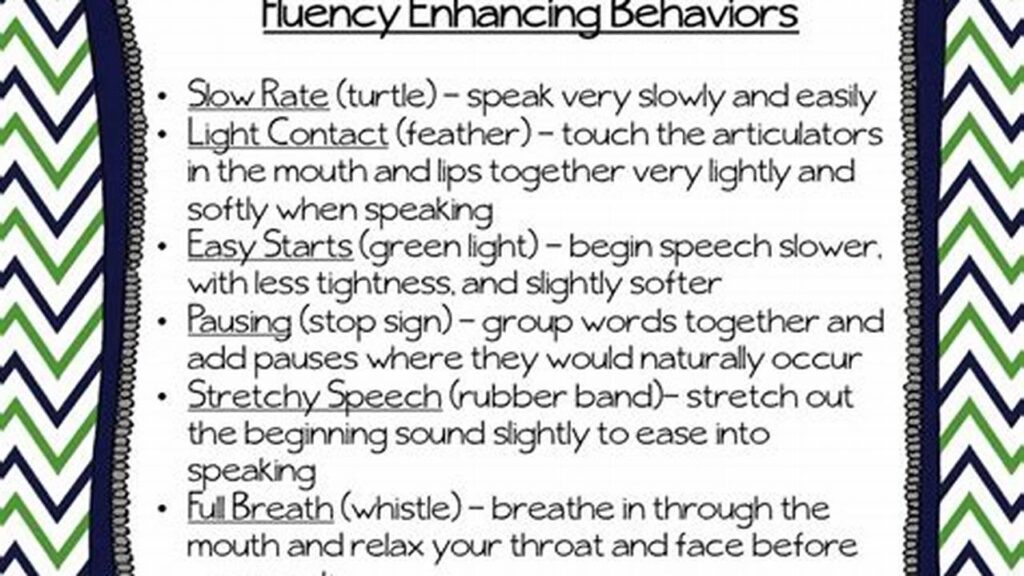

Developing clear speech and fluency is crucial for a child’s communication, academic success, and social-emotional well-being. This information provides strategies and guidance for parents seeking to support their children in achieving these important developmental milestones.
Importance of Clear Articulation
Clear articulation allows children to express themselves effectively and be understood by others. This builds confidence and reduces frustration in communication.
Building Fluency
Fluency, the smooth and effortless flow of speech, is essential for confident communication and academic participation.
Early Intervention
Addressing speech and language challenges early can significantly impact a child’s long-term communication abilities.
Parental Involvement
Parents play a vital role in supporting their children’s speech and language development through consistent practice and encouragement.
Professional Guidance
Speech-language pathologists offer expert assessment and personalized interventions for children with speech and fluency challenges.
Creating a Supportive Environment
A positive and encouraging environment at home can foster a child’s confidence and motivation to improve their communication skills.
Engaging Activities
Interactive games, storytelling, and singing are effective ways to promote speech and language development in a fun and engaging way.
Reading Aloud
Regularly reading aloud to children exposes them to a wide range of vocabulary and sentence structures, supporting language acquisition.
Modeling Clear Speech
Parents can model clear pronunciation and fluent speech for their children to imitate and learn from.
Patience and Encouragement
Patience and positive reinforcement are essential for children as they develop their speech and fluency skills.
Tips for Parents
Tip 1: Active Listening: Give your child your full attention when they speak, showing genuine interest in what they have to say.
Tip 2: Create Opportunities: Engage your child in conversations, ask open-ended questions, and encourage them to tell stories.
Tip 3: Practice Regularly: Set aside dedicated time for speech practice using fun activities and games.
Tip 4: Celebrate Progress: Acknowledge and praise your child’s efforts and improvements, fostering their confidence and motivation.
Frequently Asked Questions
At what age should I be concerned about my child’s speech? While children develop at different rates, if you have concerns about your child’s speech clarity or fluency by age three, consulting a speech-language pathologist is recommended.
How can I find a qualified speech-language pathologist? Pediatricians can often provide referrals, or you can search online directories of certified speech-language pathologists.
What are some common signs of speech or language delays? Difficulty pronouncing certain sounds, stuttering, or limited vocabulary can be indicators of potential delays.
Are there online resources available to support my child’s speech development? Numerous reputable websites and apps offer engaging activities and resources for speech and language practice.
How can I make speech practice fun for my child? Incorporate games, songs, and storytelling into practice sessions to keep your child motivated and engaged.
What if my child is resistant to practicing? Make practice sessions short and enjoyable, focusing on positive reinforcement and avoiding pressure.
Supporting a child’s journey towards clear speech and fluency is a rewarding endeavor. By utilizing these strategies and resources, parents can empower their children to become confident and effective communicators.