
Nurturing children’s well-being and development often involves strategies that encourage desired behaviors. A focus on rewarding positive actions can create a supportive environment where children thrive and learn constructively. This approach cultivates intrinsic motivation, fosters a sense of accomplishment, and strengthens the bond between children and caregivers.
Building Self-Esteem
Acknowledging and rewarding positive behaviors helps children develop a strong sense of self-worth.
Encouraging Desired Behaviors
This method effectively motivates children to repeat actions that contribute positively to their growth and development.
Reducing Negative Behaviors
By focusing on positive actions, the need for correction or punishment diminishes, leading to a more harmonious environment.
Improving Communication
Open communication and positive interactions are fostered through consistent encouragement and acknowledgment.
Strengthening Relationships
Celebrating achievements together builds stronger bonds between children and caregivers.
Developing Intrinsic Motivation
Children learn to engage in positive behaviors for the inherent satisfaction they provide, rather than external pressures.
Promoting a Positive Learning Environment
A supportive and encouraging atmosphere fosters a love for learning and exploration.
Teaching Responsibility
By associating positive actions with rewards, children learn to take ownership of their behavior.
Boosting Confidence
Consistent acknowledgment of achievements helps children develop a belief in their abilities.
Creating a Happier Home Environment
Focusing on positive reinforcement contributes to a more joyful and harmonious atmosphere for everyone.
Tips for Implementation
Start Small
Begin with simple, achievable goals and gradually increase complexity as the child progresses.
Be Consistent
Regular and predictable reinforcement is crucial for establishing clear expectations and encouraging desired behaviors.
Offer Specific Praise
Clearly articulate what the child did well, reinforcing the specific action you want to see repeated.
Vary Rewards
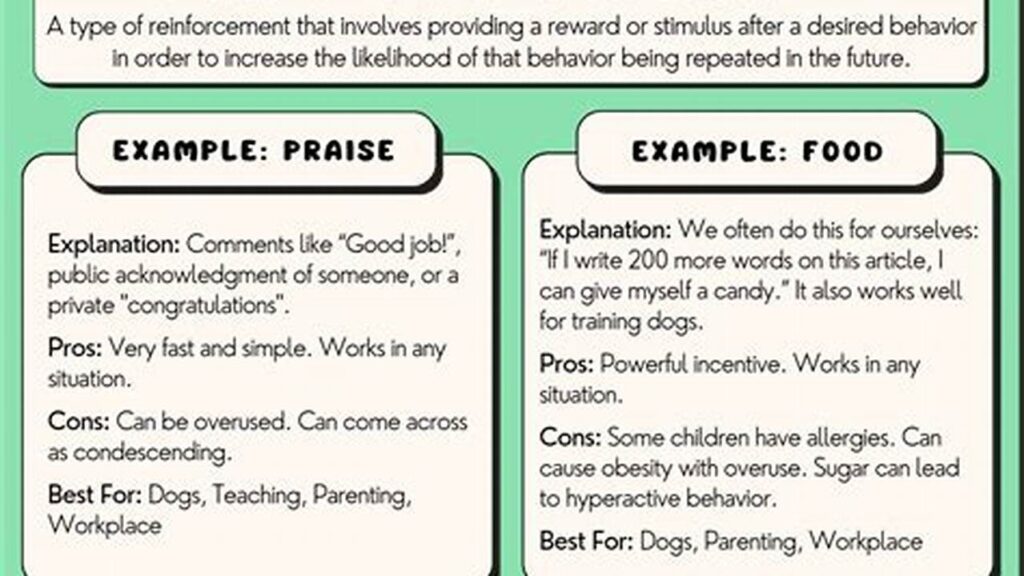
Explore different types of rewards, such as verbal praise, small gifts, or special activities, to maintain engagement and motivation.
Frequently Asked Questions
How can I effectively use praise as a reward?
Make praise specific and genuine, focusing on the child’s effort and the positive impact of their actions. Avoid generic compliments and instead highlight the specific behavior you appreciate.
What are some examples of non-material rewards?
Non-material rewards can include extra playtime, a special outing, a favorite meal, or simply spending quality time together.
What if positive reinforcement doesn’t seem to be working?
Consider adjusting the rewards, ensuring they are motivating for the child. Consistency is key, and it may take time to see significant changes in behavior.
How can I avoid accidentally reinforcing negative behaviors?
Be mindful of the behaviors you are rewarding. Avoid giving attention to negative actions and instead focus on redirecting the child towards positive alternatives.
At what age can I start using positive reinforcement?
Positive reinforcement can be used with children of all ages, even toddlers. Adapt the approach to the child’s developmental stage.
How do I balance positive reinforcement with setting boundaries and discipline?
Positive reinforcement should be a primary tool, but clear boundaries and consistent consequences for unacceptable behavior are still necessary. Focus on teaching appropriate behavior rather than simply punishing misbehavior.
Raising happy and well-adjusted children requires a multifaceted approach. By incorporating effective strategies that encourage and reward positive behaviors, caregivers can create a nurturing environment where children flourish and develop to their full potential. This method offers a pathway to building strong relationships, fostering intrinsic motivation, and cultivating a sense of accomplishment in children.