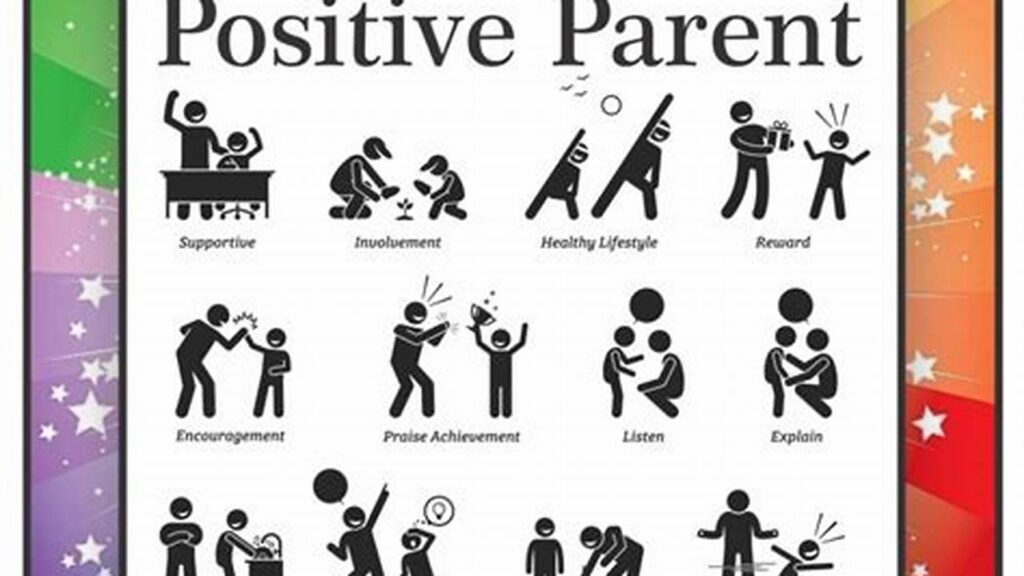

Raising children presents numerous challenges, and guiding them toward becoming well-adjusted individuals requires thoughtful strategies. A positive approach to guidance focuses on building a strong parent-child relationship, fostering cooperation, and teaching children valuable life skills. This approach emphasizes understanding the underlying reasons for children’s behavior and providing them with the tools they need to make positive choices.
Building a Strong Parent-Child Connection
A nurturing and responsive relationship forms the foundation for effective guidance. Children who feel understood and loved are more likely to cooperate and accept guidance.
Understanding Child Development
Recognizing age-appropriate behaviors and developmental milestones helps parents tailor their expectations and responses accordingly.
Setting Clear Expectations
Children thrive in structured environments. Clearly defined rules and boundaries provide a sense of security and predictability.
Positive Reinforcement
Focusing on desired behaviors and acknowledging them through praise and rewards encourages repetition.
Effective Communication
Open and honest communication fosters mutual understanding and respect. Active listening plays a crucial role in this process.
Problem-Solving Skills
Equipping children with problem-solving skills empowers them to navigate challenges independently and make responsible decisions.
Emotional Regulation
Teaching children to identify and manage their emotions is essential for their social and emotional well-being.
Consistency and Follow-Through
Maintaining consistent expectations and consequences helps children understand the importance of rules and accountability.
Modeling Desired Behaviors
Children learn by observing adults. Parents who model respectful communication, problem-solving, and emotional regulation provide valuable examples.
Seeking Support and Resources
Parenting can be demanding. Utilizing available resources and support systems can provide valuable guidance and assistance.
Tips for Implementation
Create a Routine: Predictable routines help children feel secure and reduce power struggles.
Offer Choices: Giving children appropriate choices empowers them and promotes cooperation.
Use Positive Language: Framing requests and instructions positively encourages compliance.
Focus on Solutions: When addressing misbehavior, focus on finding solutions rather than dwelling on the problem.
Frequently Asked Questions
How can I stay calm when my child is misbehaving?
Taking deep breaths, stepping away briefly, and reminding yourself of your parenting goals can help you remain calm and respond thoughtfully.
What if positive guidance doesn’t seem to be working?
Consistency is key. It may take time for children to adapt to new approaches. Seeking professional guidance can provide additional support.
How do I handle tantrums effectively?
Ignoring the tantrum (if safe to do so) and providing comfort and support once the child has calmed down can be effective strategies.
How can I encourage my child to take responsibility for their actions?
Involving children in age-appropriate chores and problem-solving processes helps them develop a sense of responsibility.
My child is constantly testing boundaries. What should I do?
Consistent enforcement of rules and consequences, along with positive reinforcement of desired behaviors, can help address boundary-testing.
How can I adapt positive guidance techniques as my child grows older?
As children mature, their needs and understanding evolve. Adapting communication styles and expectations to their developmental stage is essential.
Effective parenting involves continuous learning and adaptation. By embracing positive guidance strategies, parents can nurture their children’s development, foster strong relationships, and equip them with essential life skills.