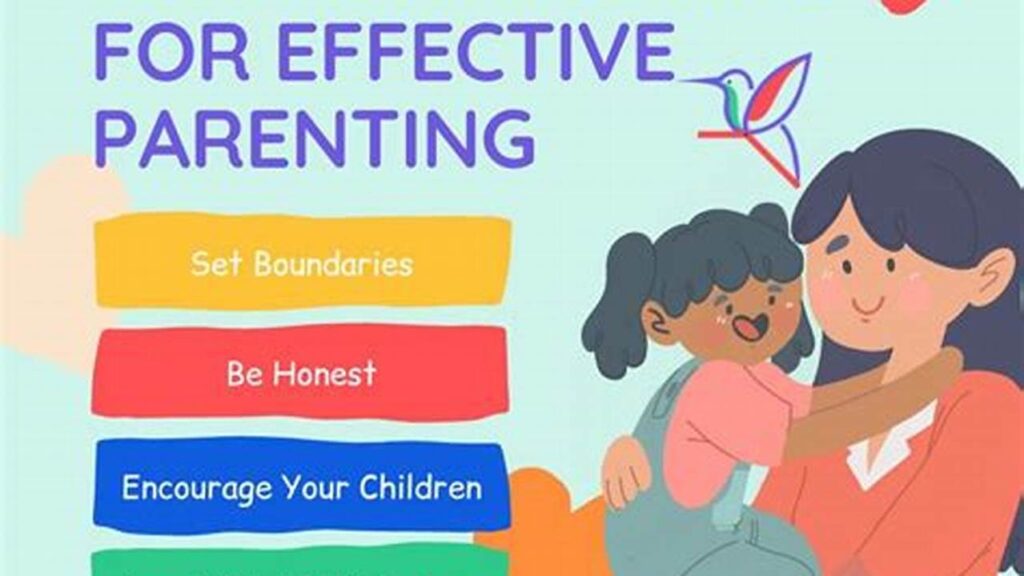

Nurturing well-adjusted and joyful children is a universal aspiration among parents. This involves a multifaceted approach encompassing various aspects of a child’s development and upbringing. Creating a positive and supportive environment, coupled with intentional parenting techniques, contributes significantly to a child’s overall happiness and well-being. This journey requires understanding, patience, and a commitment to fostering a strong parent-child relationship.
Open Communication
Facilitating open and honest dialogue creates a safe space for children to express their thoughts and feelings.
Positive Reinforcement
Encouraging desired behaviors through praise and rewards builds self-esteem and motivates positive actions.
Consistent Discipline
Establishing clear expectations and consequences helps children understand boundaries and develop self-control.
Quality Time
Dedicated time spent together strengthens family bonds and provides opportunities for connection and shared experiences.
Emotional Intelligence
Helping children understand and manage their emotions equips them with essential life skills for navigating challenges.
Independence and Autonomy
Encouraging age-appropriate independence fosters self-reliance and problem-solving abilities.
Healthy Lifestyle
Promoting healthy habits, including nutritious meals and regular exercise, contributes to physical and mental well-being.
Role Modeling
Demonstrating positive behaviors and values sets a powerful example for children to emulate.
Supportive Environment
Creating a loving and nurturing home environment provides a secure foundation for children to thrive.
Tips for Fostering Happiness
Tip 1: Practice Active Listening: Give children undivided attention and reflect on their feelings to show genuine interest.
Tip 2: Celebrate Small Victories: Acknowledging even minor accomplishments boosts confidence and encourages perseverance.
Tip 3: Foster a Growth Mindset: Encourage children to embrace challenges as opportunities for learning and development.
Tip 4: Teach Gratitude: Encourage children to appreciate the good things in their lives and express thankfulness.
Frequently Asked Questions
How can I encourage my child to communicate more openly?
Create a safe and non-judgmental space for them to share their thoughts and feelings. Ask open-ended questions and actively listen to their responses.
What are some effective discipline strategies?
Focus on positive reinforcement and natural consequences. Establish clear rules and expectations and consistently enforce them.
How can I balance work and family life while still being an effective parent?
Prioritize quality time with your children, even if it’s just for short periods. Establish routines and boundaries to ensure dedicated family time.
What are some signs of a happy and well-adjusted child?
Look for signs of positive self-esteem, strong social skills, resilience, and a general sense of contentment.
How can I help my child develop emotional intelligence?
Help them identify and label their emotions, teach them healthy coping mechanisms, and model emotional regulation yourself.
How can I support my child’s independence?
Provide opportunities for age-appropriate decision-making and problem-solving. Encourage them to take on new challenges and celebrate their successes.
Raising happy and well-adjusted children is an ongoing journey that requires dedication and effort. By implementing these strategies and fostering a supportive environment, parents can equip their children with the tools they need to thrive and navigate life’s challenges with resilience and joy.