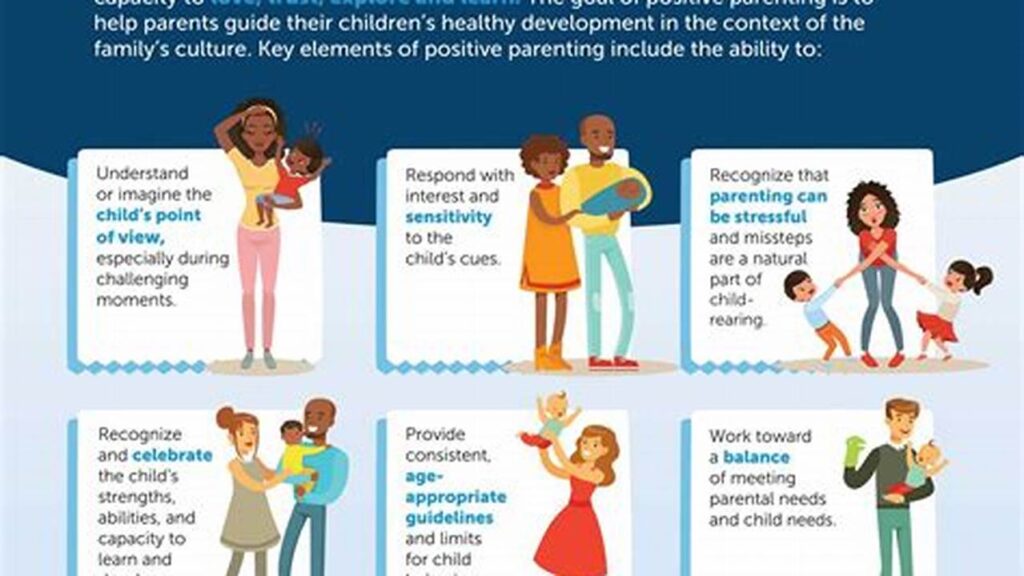

Raising well-adjusted, happy children while maintaining a positive family environment is a universal aspiration. This goal can be achieved through informed and thoughtful approaches to parenting. Nurturing a strong family unit requires consistent effort and a willingness to adapt strategies as children grow and develop.
Open Communication
Fostering open and honest communication creates a safe space for children to express their feelings and needs. Active listening and empathetic responses build trust and strengthen family bonds.
Positive Reinforcement
Focusing on positive behaviors and acknowledging children’s efforts encourages self-esteem and motivates continued positive actions. Praise should be specific and genuine.
Consistent Discipline
Clear expectations and consistent consequences for misbehavior provide children with a sense of structure and security. Discipline should be age-appropriate and focus on teaching, not punishment.
Quality Time
Dedicated time spent together as a family strengthens relationships and creates lasting memories. Shared activities, meals, and conversations foster connection and belonging.
Emotional Intelligence
Helping children understand and manage their emotions equips them with essential life skills. Modeling emotional regulation and providing guidance in navigating complex feelings are crucial.
Independence and Responsibility
Age-appropriate chores and responsibilities foster a sense of independence and contribute to the family’s overall functioning. This empowers children and prepares them for future success.
Conflict Resolution
Teaching children healthy conflict resolution skills empowers them to navigate disagreements respectfully and effectively. Modeling constructive communication during disagreements sets a positive example.
Self-Care for Parents
Prioritizing self-care allows parents to recharge and be more present for their children. Taking care of one’s own physical and emotional well-being is essential for effective parenting.
Flexibility and Adaptability
Parenting requires flexibility and the ability to adapt to changing circumstances and individual needs. Recognizing that there is no one-size-fits-all approach is crucial.
Seeking Support
Reaching out for support from family, friends, or professionals is a sign of strength, not weakness. Parenting can be challenging, and seeking guidance when needed is beneficial for both parents and children.
Tips for Building Strong Family Connections:
Establish Family Rituals: Regular family dinners, game nights, or weekend outings create a sense of tradition and togetherness.
Encourage Shared Activities: Engaging in activities that everyone enjoys strengthens bonds and creates shared experiences.
Express Appreciation: Regularly expressing gratitude and appreciation for one another fosters a positive and supportive family environment.
Practice Active Listening: Paying attention and truly listening to each other strengthens communication and builds understanding.
Frequently Asked Questions:
How can I improve communication with my teenager?
Try to create a non-judgmental environment where they feel comfortable sharing their thoughts and feelings. Active listening and validating their emotions are key.
What are some effective discipline strategies for young children?
Focus on positive reinforcement, setting clear expectations, and using consistent consequences. Avoid physical punishment and focus on teaching appropriate behavior.
How can I balance work and family responsibilities?
Setting priorities, establishing routines, and seeking support from family or friends can help manage the demands of both work and family life.
What should I do if I’m feeling overwhelmed by parenting challenges?
Don’t hesitate to reach out for support. Talking to a trusted friend, family member, or professional can provide valuable guidance and emotional support.
How can I encourage my child’s independence?
Assign age-appropriate chores and responsibilities, allow them to make choices, and provide opportunities for problem-solving.
What are some ways to foster resilience in children?
Teach them healthy coping mechanisms, encourage a growth mindset, and provide a supportive and loving environment.
Building a happy and thriving family requires ongoing effort, patience, and a willingness to learn and adapt. By implementing these strategies and prioritizing open communication, families can create a nurturing environment where children can flourish and develop into well-rounded individuals.