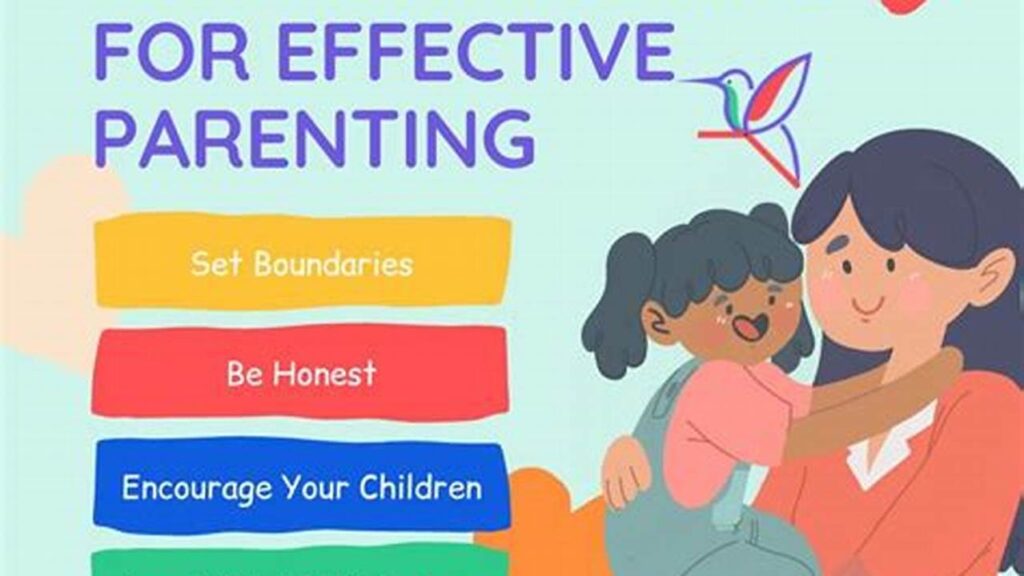

Raising children presents a continuous evolution of challenges and rewards. Navigating these stages successfully requires adaptable approaches tailored to each developmental phase. Understanding age-appropriate behaviors and employing effective communication and discipline techniques are crucial for fostering a positive parent-child relationship and nurturing well-rounded individuals.
Infancy (0-1 year)
Focus on establishing secure attachment through consistent care, responsiveness, and physical touch. Prioritize creating a stimulating environment to support early development.
Toddlerhood (1-3 years)
Encourage exploration and independence while setting clear boundaries and maintaining consistent routines. Positive reinforcement and redirection are effective discipline strategies.
Preschool (3-5 years)
Foster social-emotional development through play-based learning and opportunities for interaction. Introduce simple problem-solving skills and encourage self-help abilities.
Early Childhood (6-8 years)
Support academic learning and extracurricular interests while continuing to emphasize social skills development. Promote responsibility and independence in age-appropriate ways.
Middle Childhood (9-11 years)
Encourage critical thinking, problem-solving, and decision-making skills. Open communication and active listening are vital for navigating the complexities of this stage.
Early Adolescence (12-14 years)
Provide guidance and support as adolescents navigate physical and emotional changes. Establish clear expectations while fostering open communication and mutual respect.
Mid-Adolescence (15-17 years)
Encourage autonomy and responsibility while maintaining clear boundaries and expectations. Address sensitive topics like relationships, peer pressure, and substance use with open communication.
Late Adolescence (18-20 years)
Support the transition to adulthood by fostering independence and self-sufficiency. Provide guidance and resources for higher education, career exploration, and financial management.
Young Adulthood (21+ years)
Maintain open communication and offer support as needed while respecting their growing independence and individual choices. Guidance on career, relationships, and financial independence continues to be valuable.
Tips for Successful Approaches
Consistent Discipline: Maintaining consistent expectations and consequences helps children understand boundaries and develop self-control.
Open Communication: Creating a safe space for open and honest communication fosters trust and strengthens the parent-child bond.
Positive Reinforcement: Focusing on positive behaviors and providing praise and encouragement motivates children and builds self-esteem.
Quality Time: Spending dedicated time together strengthens the parent-child relationship and provides opportunities for connection and shared experiences.
Frequently Asked Questions
How can parents adapt their strategies as children grow?
Regularly assess your child’s developmental stage and adjust your approach accordingly. Seek information and resources to understand age-appropriate behaviors and challenges.
What are some effective ways to manage challenging behaviors?
Identify the underlying causes of challenging behaviors and address them proactively. Utilize positive reinforcement, redirection, and consistent consequences.
How can parents support their child’s academic success?
Create a supportive learning environment at home, encourage regular study habits, and maintain open communication with teachers.
What resources are available for parents seeking additional support?
Numerous online resources, parenting books, and community organizations offer guidance and support for parents facing various challenges.
How can parents balance work and family life effectively while still implementing these strategies?
Prioritize quality time over quantity, establish routines, delegate tasks where possible, and communicate openly with family members about needs and expectations. Seek support from other family members, friends, or community resources as needed.
How can single parents effectively implement these strategies?
Establish clear routines and expectations, prioritize quality time with children, build a strong support network, and seek guidance from single-parent resources and organizations. Self-care is crucial for single parents to maintain their well-being and effectively parent their children.
Effective parenting requires continuous learning, adaptation, and a commitment to nurturing the well-being of children throughout their developmental journey. By employing these age-appropriate strategies, parents can foster a positive parent-child relationship and empower their children to thrive.