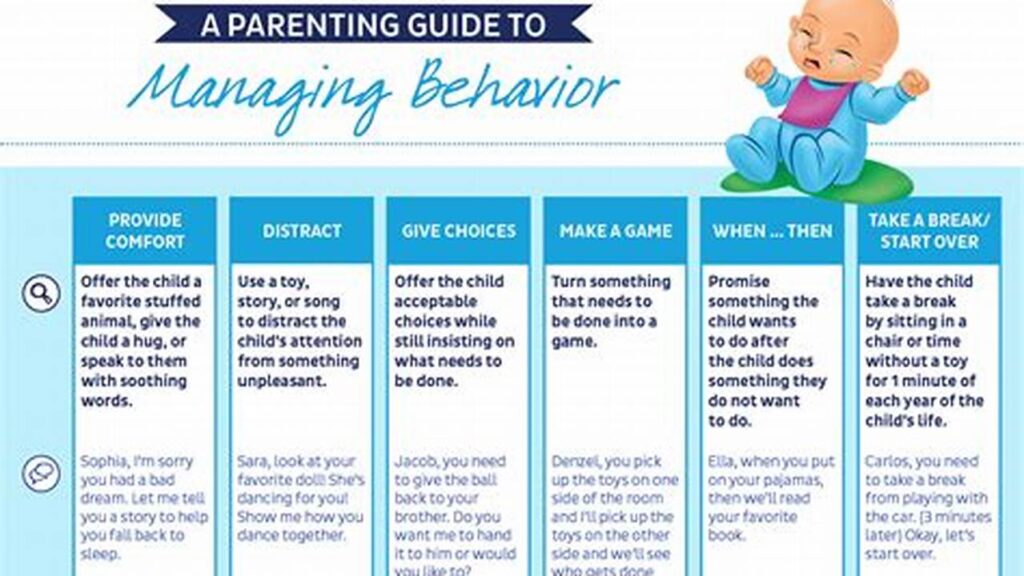

Raising well-adjusted, responsible children is a universal aspiration. Disciplining children effectively plays a crucial role in their development, shaping their behavior, moral compass, and overall well-being. It’s about guiding children towards making positive choices and understanding the consequences of their actions, fostering a sense of responsibility and self-control. Appropriate disciplinary approaches can strengthen parent-child relationships, creating a supportive and nurturing environment where children feel safe and understood.
Importance of Clear Expectations
Children thrive when boundaries are clearly defined. Establishing age-appropriate expectations for behavior helps children understand what is expected of them, reducing the likelihood of misunderstandings and power struggles.
Consistency in Application
Consistent application of disciplinary measures is essential for effectiveness. Unpredictable responses to misbehavior can confuse children and undermine the disciplinary process.
Positive Reinforcement
Recognizing and rewarding positive behavior is just as important as addressing negative behavior. Positive reinforcement encourages desired actions and builds self-esteem.
Age-Appropriateness
Disciplinary strategies must be tailored to a child’s developmental stage. What works for a toddler may not be effective for a teenager.
Open Communication
Maintaining open communication channels between parents and children fosters a sense of trust and understanding. Encourage children to express their feelings and concerns.
Logical Consequences
Connecting consequences to misbehavior helps children understand the impact of their actions. Consequences should be reasonable and relevant to the transgression.
Avoiding Physical Punishment
Physical punishment can be harmful and counterproductive. It can damage the parent-child relationship and negatively impact a child’s emotional development.
Seeking Support
Parenting can be challenging. Don’t hesitate to seek support from family, friends, or professionals when needed. Parenting classes and counseling can provide valuable guidance and resources.
Focusing on Teaching, Not Punishing
Discipline should be viewed as an opportunity to teach and guide, rather than simply punish. Help children understand the reasons behind rules and expectations.
Tips for Effective Discipline
Tip 1: Remain Calm. Responding to misbehavior calmly and rationally sets a positive example for children and helps de-escalate tense situations.
Tip 2: Listen Actively. Take the time to listen to a child’s perspective before responding. Understanding their motivations can help address the root cause of the misbehavior.
Tip 3: Offer Choices. Giving children age-appropriate choices empowers them and promotes a sense of autonomy.
Tip 4: Focus on the Behavior, Not the Child. Address the specific behavior that needs correction, avoiding personal attacks or labeling.
Frequently Asked Questions
How do I handle tantrums? Remaining calm and consistent is key. Avoid giving in to demands during a tantrum, as this can reinforce the behavior.
What if my child repeatedly ignores instructions? Ensure instructions are clear, concise, and age-appropriate. Implement logical consequences for non-compliance.
How can I encourage better sibling relationships? Teach children conflict-resolution skills and encourage positive interactions. Provide individual attention to each child.
What are some alternatives to time-outs? Quiet time or calming down corners can be effective alternatives, providing a space for children to regulate their emotions.
How can I address lying? Explain the importance of honesty and the negative consequences of lying. Focus on building trust and open communication.
Is it okay to use rewards as part of discipline? Rewards can be a useful tool for positive reinforcement, but should be used judiciously and not as a primary means of discipline.
Effective discipline is a journey, not a destination. It requires patience, consistency, and a willingness to adapt strategies as children grow and develop. By focusing on teaching, communication, and positive reinforcement, parents can create a nurturing environment where children thrive and develop into responsible, well-adjusted individuals.