
Cultivating a love for reading in children is a cornerstone of their educational journey. A strong foundation in literacy opens doors to academic success, personal growth, and a lifelong appreciation for learning. Providing supportive and engaging reading experiences at home is crucial for fostering this development.
Creating a Reading-Rich Environment
Surrounding children with books and other reading materials creates a constant invitation to explore the world of words. Designated reading areas, stocked with age-appropriate and diverse selections, can foster a positive association with reading.
Making Reading Time a Daily Ritual
Establishing a consistent reading routine, even for short periods, helps integrate reading into daily life. Bedtime stories, after-dinner reading sessions, or weekend library visits can become cherished traditions.
Modeling a Love for Reading
Children often emulate the behaviors of their parents. When children see adults reading for pleasure, they are more likely to view reading as a valuable and enjoyable activity.
Engaging in Interactive Reading
Discussions about the story, characters, and themes deepen comprehension and encourage critical thinking. Asking questions, making predictions, and relating the story to personal experiences enhances engagement.
Utilizing a Variety of Reading Materials
Exploring different genres, formats, and media keeps reading experiences fresh and stimulating. Comic books, magazines, newspapers, and audiobooks can all contribute to literacy development.
Visiting the Library Regularly
Libraries offer a vast collection of resources and programs that support literacy development. Regular visits provide access to new books, story times, and other enriching activities.
Supporting Children’s Reading Choices
Allowing children to select books that pique their interest fosters a sense of ownership and motivation. Respecting their preferences, even if they seem unconventional, encourages independent reading.
Making Reading Fun and Engaging
Incorporating games, activities, and technology can enhance the reading experience and make it more interactive. Online reading platforms, educational apps, and interactive storybooks can complement traditional reading.
Connecting Reading to Real-World Experiences
Relating books to everyday life, current events, or personal experiences helps children understand the relevance of reading. Discussing how stories connect to their world makes learning more meaningful.
Celebrating Reading Achievements
Acknowledging and praising children’s reading progress builds confidence and encourages further exploration. Simple rewards, positive feedback, or displaying their work can foster a sense of accomplishment.
Tips for Enhancing Home Reading
Create a cozy reading nook with comfortable seating and good lighting.
Let children choose their own books and reading materials.
Read aloud to children regularly, even after they can read independently.
Discuss the stories you read together and encourage children to share their thoughts and feelings.
Frequently Asked Questions
How can I encourage my reluctant reader?
Start with shorter books or graphic novels, and find topics that genuinely interest them. Don’t force it, but make reading a readily available and enjoyable option.
What if my child struggles with reading?
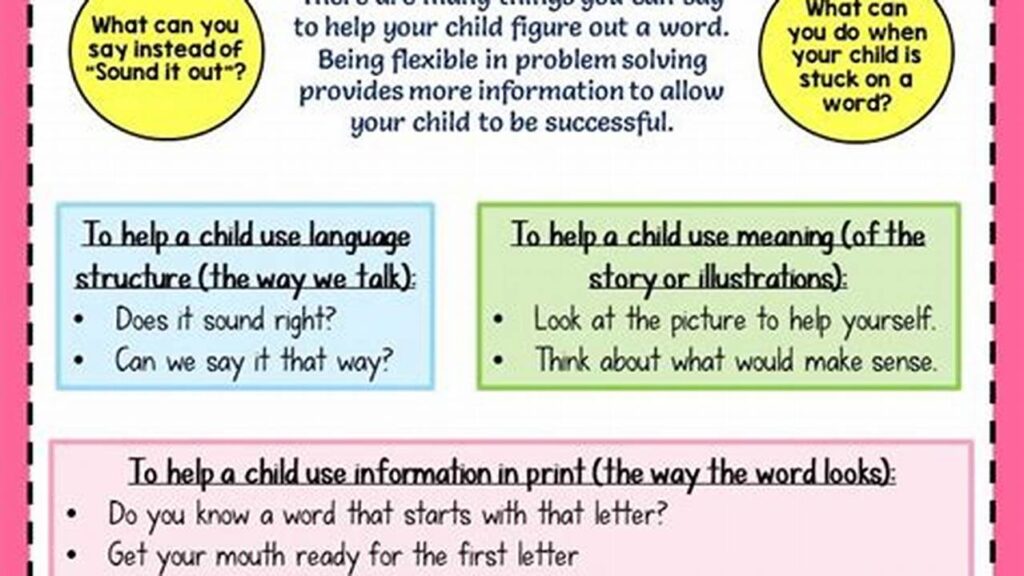
Patience and support are key. Work with their teachers to identify specific challenges and explore resources like tutoring or specialized reading programs.
How much time should be dedicated to reading each day?
Even short, consistent reading sessions are beneficial. Aim for at least 15-20 minutes daily, but adapt to your child’s age and attention span.
How can I make reading more interactive?
Ask questions, act out scenes, draw pictures related to the story, or use puppets to bring characters to life. These activities enhance comprehension and engagement.
Are audiobooks beneficial for literacy development?
Audiobooks can be a valuable tool, particularly for struggling readers or those with learning differences. They expose children to rich vocabulary and complex narratives.
What if I don’t enjoy reading myself?
Even if you aren’t an avid reader, you can still model positive reading habits by listening to audiobooks with your child or reading aloud together.
By implementing these strategies, parents can create a nurturing environment that fosters a love of reading and sets the stage for lifelong learning and success.