
Effective collaboration between parents and teachers is a cornerstone of a thriving educational environment. When these key stakeholders communicate openly and frequently, students benefit from a more supportive and consistent learning experience, leading to improved academic outcomes, enhanced social-emotional development, and increased student engagement.
Improved Academic Performance
Open communication channels allow teachers to share insights into a student’s strengths and weaknesses, while parents can provide valuable context about the student’s learning style and home environment. This shared understanding enables both parties to tailor their approach, leading to more effective learning strategies and improved academic results.
Enhanced Social-Emotional Development
Consistent communication helps create a unified front in supporting a student’s social and emotional well-being. By sharing observations and strategies, parents and teachers can address challenges like bullying, anxiety, or social isolation more effectively.
Increased Student Engagement
When students perceive a strong partnership between their parents and teachers, they feel more supported and motivated. This sense of connection fosters a positive attitude towards learning, leading to increased engagement in classroom activities and a greater willingness to take on academic challenges.
Early Identification of Learning Gaps
Regular communication allows for early detection of learning difficulties or behavioral issues. This early intervention is crucial for providing timely support and preventing small problems from escalating into larger ones.
Stronger Home-School Connection
Frequent interaction between parents and teachers bridges the gap between home and school, creating a sense of community and shared responsibility for the student’s success.
Better Understanding of Curriculum and Expectations
Clear communication ensures that parents are well-informed about the curriculum, classroom expectations, and upcoming assignments, enabling them to effectively support their child’s learning at home.
More Effective Parent Involvement
Open communication pathways encourage parents to actively participate in their child’s education, whether through volunteering in the classroom, attending school events, or simply engaging in regular conversations with teachers.
Reduced Behavioral Problems
When parents and teachers work together to address behavioral issues, students receive consistent messages about expectations and consequences, leading to improved classroom behavior and a more positive learning environment.
Increased Teacher Morale
Supportive and engaged parents can significantly boost teacher morale. Feeling appreciated and supported by parents can lead to increased job satisfaction and a greater sense of efficacy among educators.
Greater Student Accountability
Knowing that their parents and teachers are communicating regularly encourages students to take greater ownership of their learning and become more accountable for their academic progress.
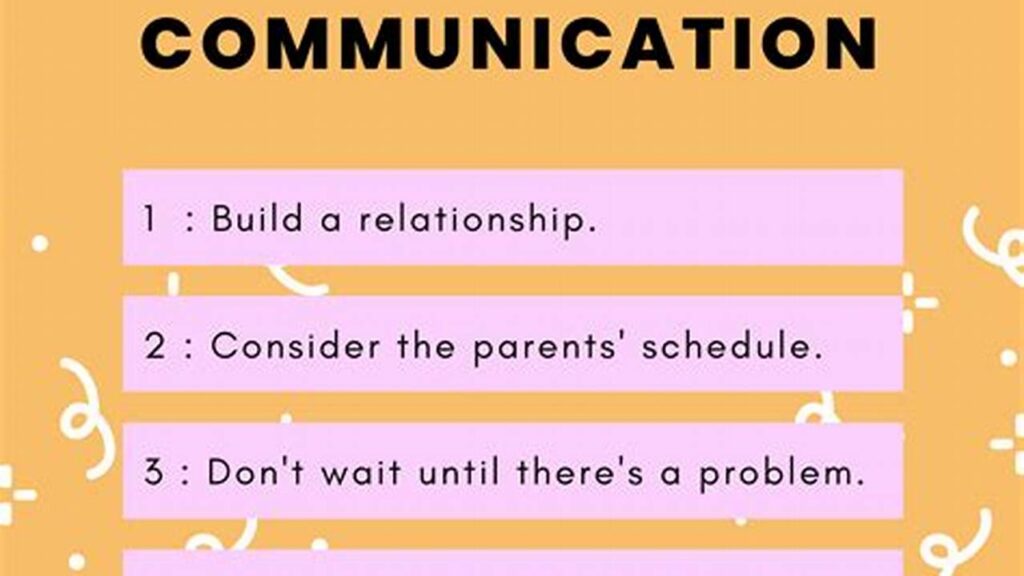
Tips for Effective Communication
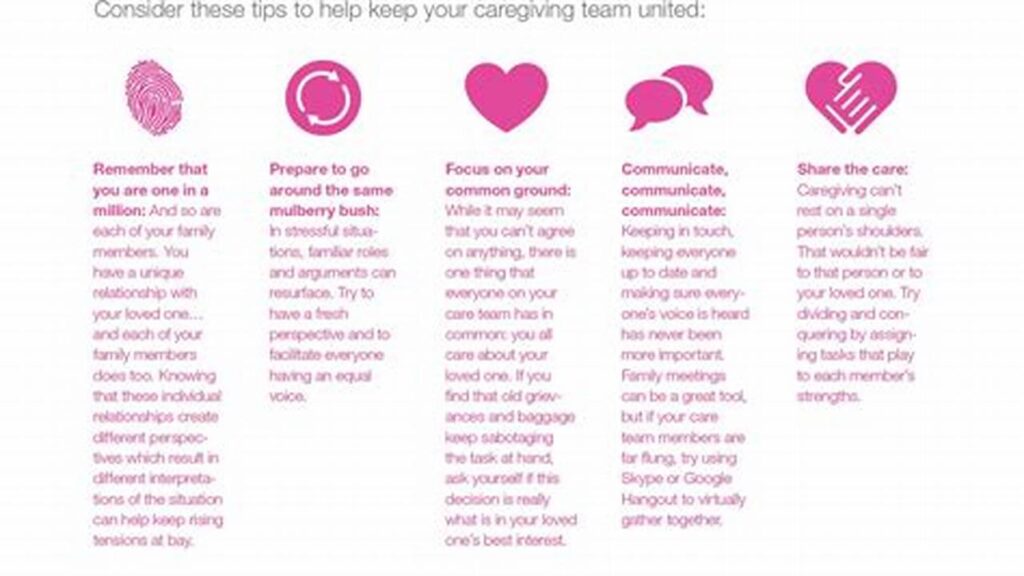
Regularly Scheduled Meetings: Establish a routine for parent-teacher conferences, whether in-person, by phone, or virtually, to discuss student progress and address any concerns proactively.
Utilize Technology: Leverage communication platforms like email, messaging apps, or school portals to facilitate quick and easy information sharing.
Open Door Policy: Encourage parents to reach out with questions or concerns at any time, fostering a culture of open communication and accessibility.
Positive Communication: Focus on both strengths and areas for improvement, providing constructive feedback and celebrating student successes to maintain a positive and encouraging dialogue.
Frequently Asked Questions
How often should I communicate with my child’s teacher?
Regular communication is key. Aim for consistent contact, whether it’s a brief email update, a quick phone call, or attending scheduled conferences.
What if I have a concern about my child’s progress?
Don’t hesitate to reach out to the teacher as soon as possible. Early intervention is often the most effective approach.
How can I support my child’s learning at home?
Stay informed about classroom activities and assignments, create a supportive learning environment at home, and communicate regularly with the teacher to understand how you can best assist your child.
What if I don’t agree with the teacher’s approach?
Schedule a meeting to discuss your concerns respectfully and collaboratively. Open and honest communication is essential for finding solutions that benefit the student.
How can I get more involved in my child’s school?
Inquire about volunteer opportunities, attend school events, and join parent-teacher organizations to actively participate in your child’s educational journey.
Fostering strong parent-teacher relationships is an investment in a student’s future, creating a powerful synergy that supports academic achievement, social-emotional growth, and overall well-being.