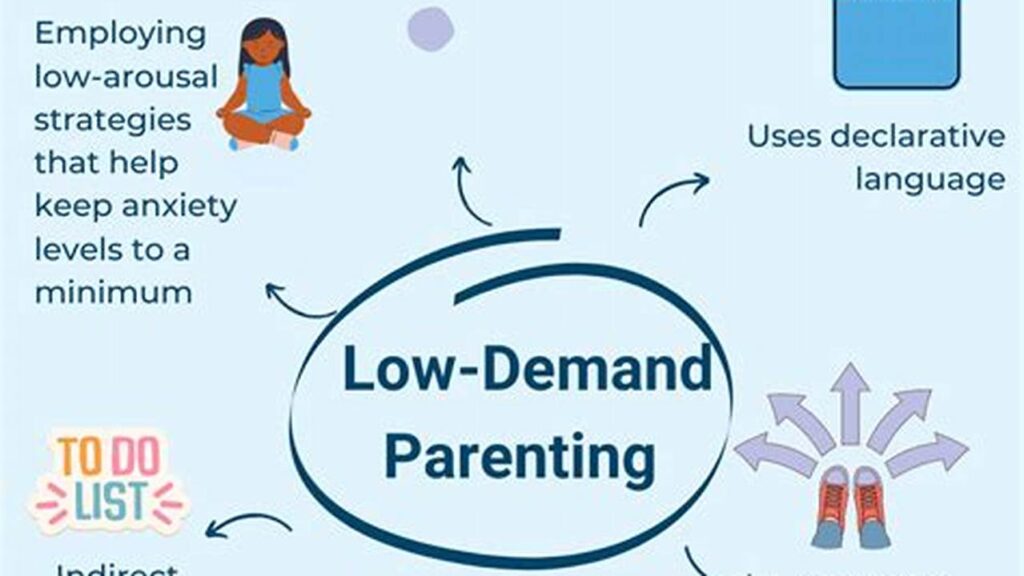

Nurturing a peaceful family environment often requires a shift in parenting approaches. A less intensive, more understanding method can significantly reduce conflict and foster stronger parent-child bonds. This approach prioritizes empathy, connection, and recognizing the underlying needs driving challenging behaviors.
Reduced Family Conflict
By de-escalating power struggles and focusing on collaboration, families can experience a noticeable decrease in arguments and tension.
Improved Child Cooperation
When children feel understood and respected, they are more likely to cooperate willingly, reducing the need for constant reminders and directives.
Strengthened Parent-Child Connection
Emphasizing connection over control builds trust and mutual respect, creating a stronger emotional bond between parent and child.
Decreased Parental Stress
A less reactive parenting style can significantly reduce parental stress and burnout, promoting overall well-being.
Enhanced Emotional Regulation in Children
By modeling calm responses, parents help children develop crucial emotional regulation skills, enabling them to manage their own feelings more effectively.
Increased Child Independence
Supporting children’s autonomy fosters their independence and problem-solving abilities, equipping them with essential life skills.
Improved Communication
A calm and empathetic approach encourages open communication, allowing children to express their needs and concerns freely.
Greater Parental Self-Awareness
This approach encourages parents to reflect on their own triggers and responses, promoting personal growth and emotional intelligence.
More Peaceful Home Environment
Ultimately, this method cultivates a more harmonious and peaceful home environment, benefiting all family members.
Tip 1: Focus on Connection
Prioritize spending quality time with your child, engaging in activities they enjoy and showing genuine interest in their world.
Tip 2: Empathize with Your Child’s Perspective
Try to understand the reasons behind their behavior, recognizing that challenging behaviors often stem from unmet needs.
Tip 3: Offer Choices
Empower your child by providing them with age-appropriate choices, fostering their sense of autonomy and control.
Tip 4: Set Clear and Consistent Boundaries
While minimizing demands, maintain consistent boundaries that ensure safety and respect within the family.
What if my child’s behavior doesn’t improve immediately?
Changing parenting approaches takes time and consistency. Be patient and persistent, and celebrate small victories along the way.
How can I stay calm when my child is pushing my buttons?
Develop self-regulation strategies, such as taking deep breaths, stepping away for a moment, or engaging in mindfulness practices.
Is this approach permissive parenting?
No. It’s about responding to children’s needs with empathy while maintaining clear boundaries and expectations.
How do I adapt this approach for different age groups?
The principles remain the same, but the specific strategies may need to be adjusted based on your child’s developmental stage and individual needs.
Where can I find more resources on this parenting style?
Numerous books, articles, and online communities offer valuable information and support for parents interested in this approach.
How can I involve my partner or other caregivers in this approach?
Open communication and shared understanding are key. Discuss the principles and strategies together and work collaboratively to create a consistent approach.
By embracing a more understanding and responsive approach, parents can create a more peaceful and nurturing environment that supports their children’s emotional well-being and fosters strong family connections. It’s a journey that requires patience and dedication, but the rewards are well worth the effort.