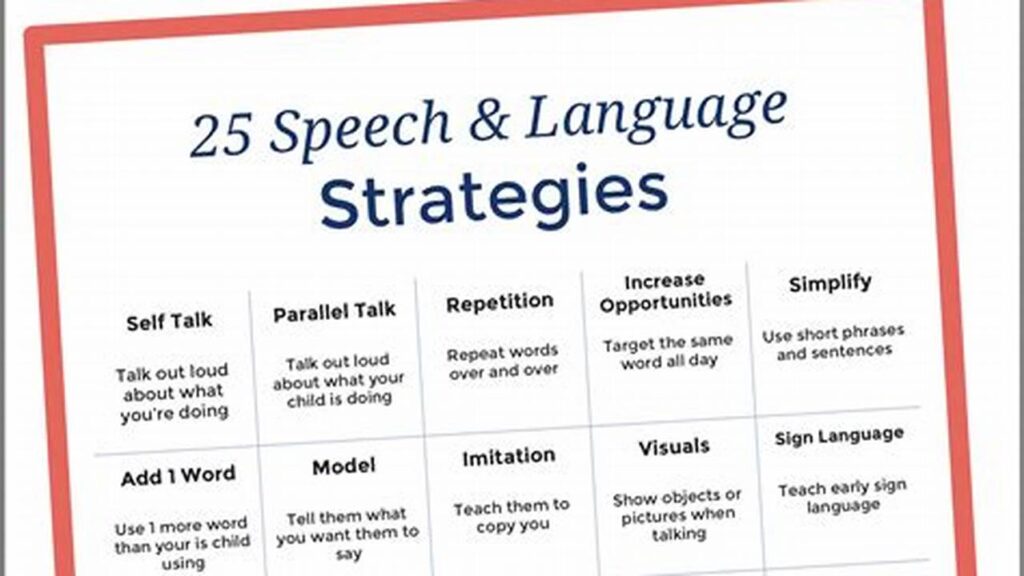

Nurturing a child’s communication abilities is a cornerstone of their development, impacting their academic progress, social interactions, and emotional well-being. Providing appropriate support during formative years can significantly enhance a child’s speech and language skills. This involves understanding typical developmental milestones, recognizing potential challenges, and implementing evidence-based practices to foster communication growth.
Importance of Early Intervention
Addressing communication difficulties early can prevent future academic and social struggles. Timely intervention maximizes the child’s potential for developing effective communication skills.
Creating a Communication-Rich Environment
Surrounding children with language through conversations, storytelling, and reading aloud stimulates language acquisition and expands vocabulary.
Interactive Play and Language Development
Engaging in play activities offers opportunities for children to practice language skills in natural and meaningful contexts.
Active Listening and Responsive Communication
Paying close attention to a child’s attempts at communication and responding thoughtfully encourages further interaction and language use.
Modeling Correct Speech and Language
Children learn by observing and imitating adults. Clear articulation and grammatically correct sentences provide positive language models.
Expanding Vocabulary through Exposure
Introducing new words and concepts through books, conversations, and experiences broadens a child’s understanding and expressive language.
Using Visual Aids and Gestures
Visual supports, such as pictures and gestures, can aid comprehension and facilitate communication, especially for children with language delays.
Encouraging Social Interaction
Interactions with peers provide opportunities for children to practice communication skills in real-life social situations.
Seeking Professional Guidance When Needed
Consulting speech-language pathologists or other professionals can provide specialized support for children with communication difficulties.
Patience and Positive Reinforcement
Creating a supportive and encouraging environment fosters confidence and motivates children to communicate effectively.
Tips for Promoting Language Development
Sing songs and rhymes to introduce rhythm and language patterns.
Describe daily activities and routines to expose children to new vocabulary.
Ask open-ended questions to encourage children to express their thoughts and ideas.
Read books aloud regularly, engaging children in discussions about the story.
Frequently Asked Questions
At what age should I be concerned about my child’s speech development?
While individual development varies, certain milestones indicate typical progress. Consult a professional if concerns arise.
How can I encourage my child to speak more?
Create opportunities for interaction, model language, and provide positive reinforcement for communication attempts.
What are some signs of a language delay?
Limited vocabulary, difficulty understanding instructions, and struggles with expressing needs can be indicators of a language delay.
Are there any resources available for parents concerned about their child’s communication skills?
Numerous online and community resources offer information and support for parents seeking guidance on speech and language development.
How can I make language learning fun for my child?
Incorporate games, songs, and interactive activities that stimulate language development in an enjoyable way.
What should I do if I suspect my child has a speech or language disorder?
Consult a speech-language pathologist for a comprehensive evaluation and personalized recommendations.
Supporting a child’s communication journey requires dedication, understanding, and the implementation of effective strategies. By creating a nurturing and stimulating environment, parents can empower their children to develop strong communication skills essential for success in all aspects of life.