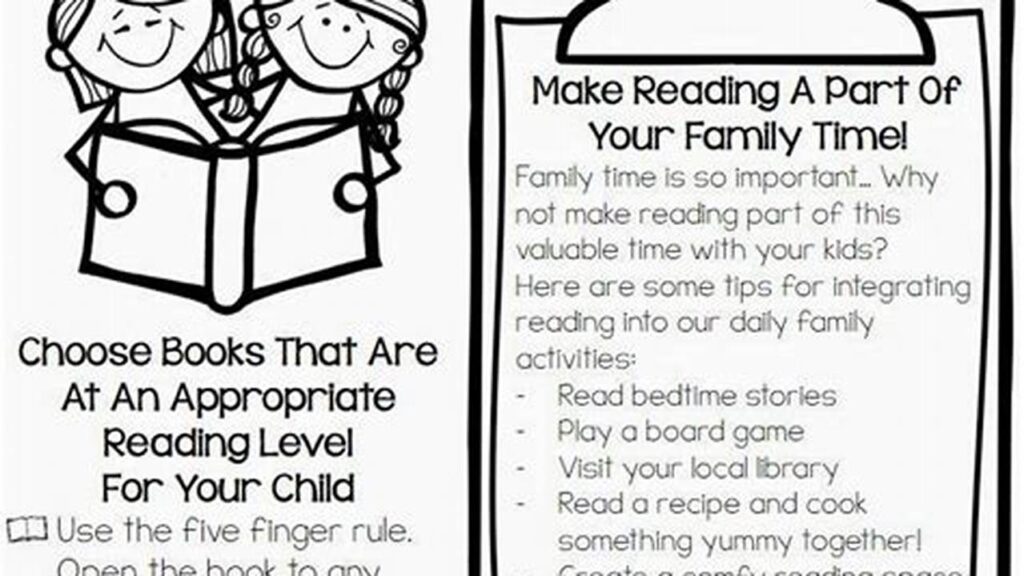

Fostering a love of reading in children is a cornerstone of their educational development. A strong reading foundation equips children with essential literacy skills, expands their vocabulary, enhances comprehension abilities, and cultivates a lifelong appreciation for learning. Providing guidance and support at home is paramount in nurturing these crucial skills. This involves understanding and implementing effective reading techniques tailored to the home environment. A practical approach to implementing these strategies can significantly impact a child’s reading journey, making it both enjoyable and productive.
Building a Reading-Rich Environment
Creating a space dedicated to reading encourages children to engage with books regularly. This could involve setting up a comfortable reading nook with age-appropriate books readily available.
Modeling Reading Behavior
Children often emulate the behaviors they observe. Parents who read regularly themselves demonstrate the importance and enjoyment of reading.
Making Reading Time a Daily Ritual
Establishing a consistent reading routine, even for short periods, helps integrate reading into a child’s daily life.
Interactive Reading Sessions
Engaging children in discussions about the story, characters, and themes enhances their comprehension and critical thinking skills.
Utilizing Diverse Reading Materials
Exposing children to various genres, including picture books, magazines, and comics, broadens their interests and reading experiences.
Leveraging Library Resources
Regular visits to the library provide access to a wide array of books and foster a sense of community around reading.
Incorporating Reading into Everyday Activities
Integrating reading into daily routines, such as reading recipes while cooking or signs while traveling, reinforces literacy skills in practical contexts.
Celebrating Reading Achievements
Acknowledging and praising a child’s reading progress, no matter how small, builds confidence and motivation.
Tips for Effective Reading at Home
Tip 1: Start Early. Introducing books to infants and toddlers through interactive reading sessions lays the foundation for early literacy development.
Tip 2: Choose Age-Appropriate Books. Selecting books that align with a child’s reading level and interests ensures an enjoyable and engaging reading experience.
Tip 3: Make it Fun. Incorporating games, activities, and dramatic readings can make reading more interactive and enjoyable.
Tip 4: Be Patient. Every child learns at their own pace. Providing support and encouragement is crucial for building confidence and fostering a love of reading.
Frequently Asked Questions
How can I help my child who struggles with reading? Seek support from educators or reading specialists who can offer tailored strategies and resources.
What if my child prefers other activities to reading? Explore different genres and formats to find materials that spark their interest. Connect reading to their existing hobbies.
How much time should be dedicated to reading each day? Even short, consistent reading sessions can significantly benefit a child’s literacy development.
Are audiobooks beneficial for developing reading skills? Audiobooks can be a valuable supplement to traditional reading, particularly for struggling readers or those with learning differences. They can enhance vocabulary, comprehension, and expose children to different genres.
How can I encourage my child to read independently? Create a comfortable and inviting reading space, offer a variety of reading materials, and model independent reading behavior.
How can I monitor my child’s reading progress? Regularly engage in discussions about what they are reading, ask questions about the story, and observe their reading fluency.
Cultivating strong reading skills is an investment in a child’s future. By implementing these practical strategies and creating a supportive home environment, parents can empower their children to become confident and enthusiastic readers, unlocking a world of knowledge and imagination.