
Developing strong reading comprehension skills is crucial for a child’s academic success and lifelong learning. This involves not just decoding words, but also understanding their meaning, context, and implications. Parental involvement plays a significant role in nurturing these skills. By employing effective strategies, parents can create a supportive environment that fosters a love of reading and helps children become confident, competent readers.
10 Important Points for Cultivating Reading Comprehension
Building a Reading-Rich Environment: Surround children with various reading materials, from books and magazines to comics and graphic novels.
Modeling Reading Behavior: Children often emulate their parents’ behaviors. Demonstrating a love for reading can inspire them to read more.
Reading Aloud Together: Shared reading experiences create opportunities for discussion and comprehension development.
Asking Open-Ended Questions: Encourage critical thinking by asking questions that require more than a simple “yes” or “no” answer.
Connecting Text to Real-Life Experiences: Help children relate what they read to their own lives and the world around them.
Encouraging Active Reading Strategies: Teach children techniques like highlighting, note-taking, and summarizing to enhance comprehension.
Focusing on Vocabulary Development: A strong vocabulary is essential for understanding complex texts. Introduce new words and their meanings regularly.
Utilizing Various Reading Materials: Expose children to different genres and text types to broaden their understanding and interests.
Making Reading Enjoyable: Reading should be a pleasurable activity, not a chore. Create a positive and relaxed reading environment.
Monitoring Progress and Providing Support: Regularly assess a child’s reading comprehension skills and provide appropriate support when needed.
Four Tips for Enhancing Reading Comprehension at Home
Create a Designated Reading Space: A quiet, comfortable area free from distractions can enhance focus and concentration.
Incorporate Reading into Daily Routines: Establish a regular reading time, such as before bed or after dinner, to make reading a habit.
Visit the Library Regularly: Libraries offer a wide selection of books and resources that can spark a child’s interest in reading.
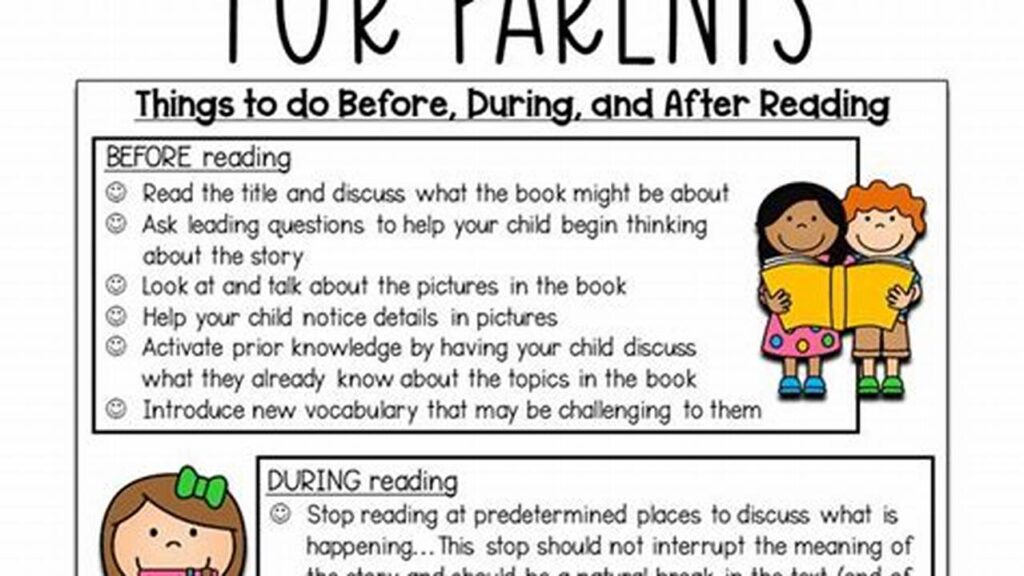
Engage in Pre-Reading Activities: Discuss the title, cover, and author before reading to activate prior knowledge and generate interest.
Frequently Asked Questions
How can I help my child who struggles with reading comprehension?
Start by identifying the specific areas of difficulty. Focus on building foundational skills like phonics and vocabulary. Provide extra support and practice, and consider seeking professional help if necessary.
What are some effective strategies for teaching vocabulary?
Use context clues, visual aids, and real-life examples to explain new words. Encourage children to use new vocabulary in their own writing and conversations.
How can I make reading more enjoyable for my child?
Let your child choose books that interest them. Create a fun and engaging reading environment. Incorporate games and activities that reinforce reading skills.
At what age should I start focusing on reading comprehension strategies?
Begin introducing basic comprehension strategies as soon as children start reading. As they progress, introduce more complex strategies and techniques.
How do I know if my child needs extra help with reading comprehension?
Observe their reading habits and look for signs of difficulty, such as struggling to answer questions about the text, losing track of the story, or avoiding reading altogether. If you have concerns, consult with their teacher or a reading specialist.
What resources are available for parents who want to learn more about supporting their child’s reading development?
Numerous online resources, books, and workshops are available to help parents enhance their child’s reading comprehension skills. Local libraries and schools are also valuable sources of information and support.
By actively engaging in these strategies, parents can empower their children to become proficient readers and lifelong learners. Developing strong reading comprehension skills is an investment in a child’s future, opening doors to academic success, personal growth, and a deeper understanding of the world.