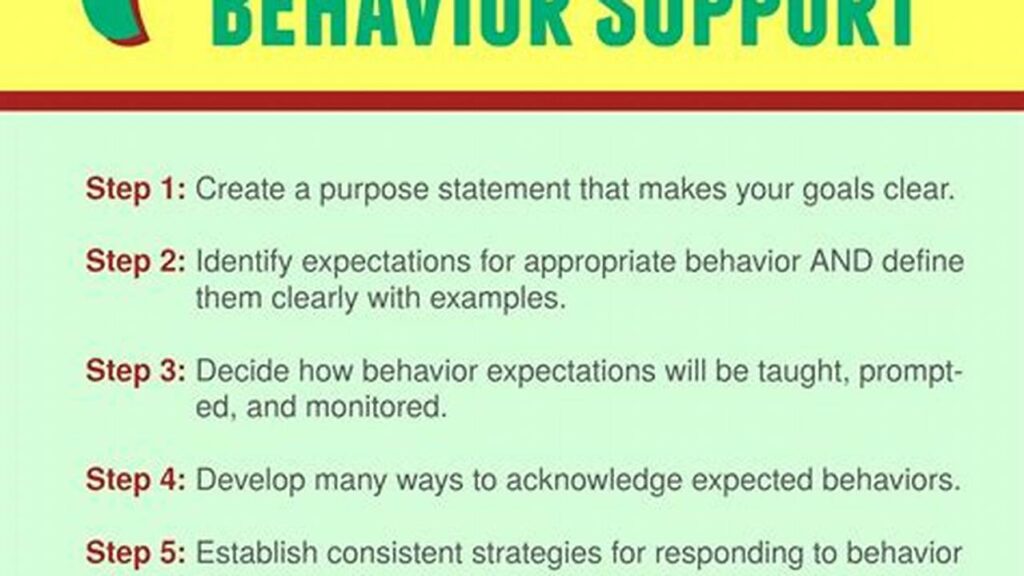

Raising children presents numerous challenges, and addressing behavioral issues effectively is a key concern for many parents. A proactive and supportive approach, rather than reactive and punitive measures, fosters a positive parent-child relationship while teaching children valuable life skills. This approach emphasizes understanding the reasons behind challenging behaviors and implementing strategies to prevent their recurrence. It empowers parents with the tools to create a nurturing and structured environment where children can thrive.
Understanding the Child’s Needs
Recognizing the underlying causes of behavior, such as unmet needs, communication difficulties, or developmental stages, is paramount.
Creating a Positive Home Environment
A predictable and supportive atmosphere with clear expectations and consistent routines helps children feel secure and reduces behavioral challenges.
Building Strong Parent-Child Relationships
Nurturing a close and loving connection fosters open communication and cooperation, making it easier to address challenging behaviors constructively.
Setting Clear and Consistent Expectations
Children thrive when they understand the boundaries and rules within the family. Clear expectations minimize confusion and promote positive behavior.
Teaching Positive Behaviors
Actively teaching desired behaviors through modeling, role-playing, and providing positive reinforcement empowers children to make good choices.
Providing Positive Reinforcement
Recognizing and rewarding positive behaviors, even small ones, encourages their repetition and builds self-esteem.
Addressing Challenging Behaviors Constructively
When challenging behaviors arise, responding calmly and consistently with appropriate consequences helps children learn from their mistakes.
Seeking Support and Resources
Connecting with other parents, educators, or professionals can provide valuable guidance, support, and additional strategies.
Tips for Implementing Positive Strategies
Tip 1: Focus on Prevention: Proactively address potential triggers for challenging behaviors by anticipating and planning for situations that might be difficult for the child.
Tip 2: Be Consistent: Maintain consistency in applying strategies and consequences to help children understand expectations and learn from their actions.
Tip 3: Stay Calm: Responding calmly to challenging behaviors models emotional regulation and helps de-escalate tense situations.
Tip 4: Celebrate Successes: Acknowledge and celebrate even small achievements to encourage positive behavior and build the child’s confidence.
Frequently Asked Questions
How can I identify the triggers for my child’s challenging behavior?
Observe patterns in your child’s behavior and note the situations, events, or interactions that typically precede challenging behaviors. Keeping a journal can be helpful.
What are some examples of positive reinforcement?
Positive reinforcement can include praise, rewards, special activities, or even just a smile or a hug. Choose reinforcers that are meaningful to your child.
What should I do if my child’s behavior doesn’t improve?
If you’re struggling to manage your child’s behavior, seek professional guidance from a therapist, counselor, or other child development specialist.
How can I involve my child in the process of developing positive behavior strategies?
Depending on their age and developmental level, children can participate in setting goals, choosing rewards, and discussing expectations. This fosters a sense of ownership and responsibility.
How can I stay consistent with these strategies when I’m tired or stressed?
Parenting is demanding. Prioritize self-care to maintain your own well-being and ensure you have the energy to implement strategies effectively. Seek support from family, friends, or professionals when needed.
What if other family members don’t agree with these strategies?
Open communication and collaboration are key. Discuss the benefits of positive strategies with other family members and work together to create a consistent approach.
Implementing effective strategies requires patience, consistency, and a commitment to understanding and supporting the child’s needs. By focusing on positive reinforcement, clear expectations, and a nurturing environment, parents can equip their children with the skills they need to thrive and develop into well-adjusted individuals.