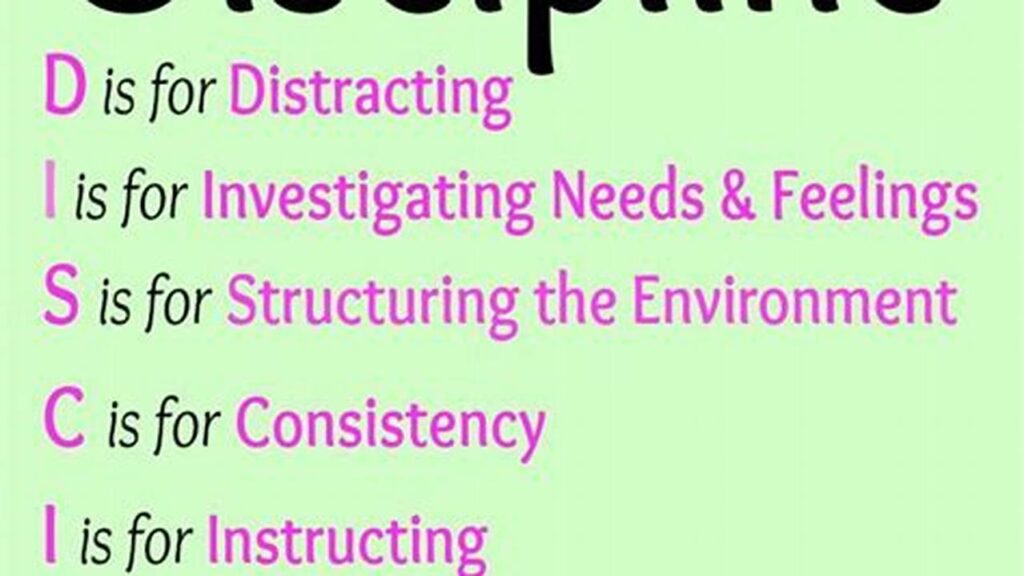

Raising well-adjusted, resilient children is a universal aspiration. Nurturing positive behavior and addressing challenging situations effectively requires a thoughtful approach. A balanced combination of nurturing and guidance forms the foundation for healthy development, fostering responsibility, self-discipline, and strong emotional intelligence in children.
Importance of Clear Expectations
Children thrive in environments with predictable boundaries. Establishing clear expectations for behavior helps children understand what is expected of them, reducing anxiety and promoting cooperation.
Positive Reinforcement
Focusing on desired behaviors and acknowledging them through praise, rewards, or privileges encourages children to repeat these actions. This approach builds self-esteem and reinforces positive patterns.
Consistent Application
Maintaining consistency in applying rules and consequences is crucial. Inconsistency can lead to confusion and undermine the effectiveness of disciplinary measures.
Age-Appropriate Techniques
Disciplinary strategies should be tailored to a child’s developmental stage. What works for a toddler may not be suitable for an adolescent.
Open Communication
Creating a safe space for children to express their feelings and concerns fosters open communication and strengthens the parent-child bond. Active listening is essential.
Logical Consequences
Connecting consequences directly to the misbehavior helps children understand the impact of their actions and learn responsibility.
Avoiding Power Struggles
Power struggles can escalate conflict and damage relationships. Focusing on the behavior rather than engaging in personal attacks is crucial.
Seeking Support
Parenting can be challenging. Seeking support from family, friends, or professionals can provide valuable guidance and resources.
Tips for Effective Guidance
Tip 1: Provide Choices – Offering age-appropriate choices empowers children and fosters a sense of autonomy.
Tip 2: Use Positive Language – Framing instructions positively encourages cooperation and avoids negativity.
Tip 3: Model Desired Behavior – Children learn by observing. Modeling respectful communication and problem-solving skills sets a powerful example.
Tip 4: Take Time for Yourself – Self-care is essential for parents. Taking breaks allows for renewed patience and energy.
Frequently Asked Questions
How do I handle tantrums effectively? Tantrums are a normal part of development. Remaining calm and consistent with established limits is key. Ignoring attention-seeking behavior and providing comfort once the child has calmed down can be helpful.
What if my child repeatedly breaks the rules? Re-evaluate the clarity and consistency of the rules. Consider involving the child in developing solutions and consequences.
How can I encourage responsibility? Assigning age-appropriate chores and providing opportunities for decision-making can foster responsibility.
Is punishment ever necessary? While punishment may have a place, the focus should be on teaching and guiding. Logical consequences and restorative practices are often more effective.
When should I seek professional help? If challenges persist despite consistent efforts, seeking professional guidance from a therapist or counselor can be beneficial.
How do I adapt strategies for different ages? Consider developmental milestones and adjust expectations and approaches accordingly. Flexibility is key.
Raising children presents continuous opportunities for growth and learning, both for the child and the parent. By embracing a proactive and informed approach, parents can equip their children with the skills and resilience they need to thrive.