
Oppositional defiant disorder (ODD) presents significant challenges for parents. Effective management requires a multifaceted approach grounded in proven strategies and practical advice. This information offers guidance for navigating the complexities of ODD, empowering parents with tools and knowledge to foster positive behavioral changes and strengthen family relationships.
Understanding the Core Challenges
ODD often manifests as persistent argumentativeness, defiance, and hostility towards authority figures. Recognizing these behaviors as symptoms of a diagnosable condition is the first step towards effective intervention.
Building a Strong Parent-Child Relationship
A foundation of positive connection is crucial. Nurturing this bond through quality time and shared activities can create a more receptive environment for behavioral modification.
Setting Clear and Consistent Expectations
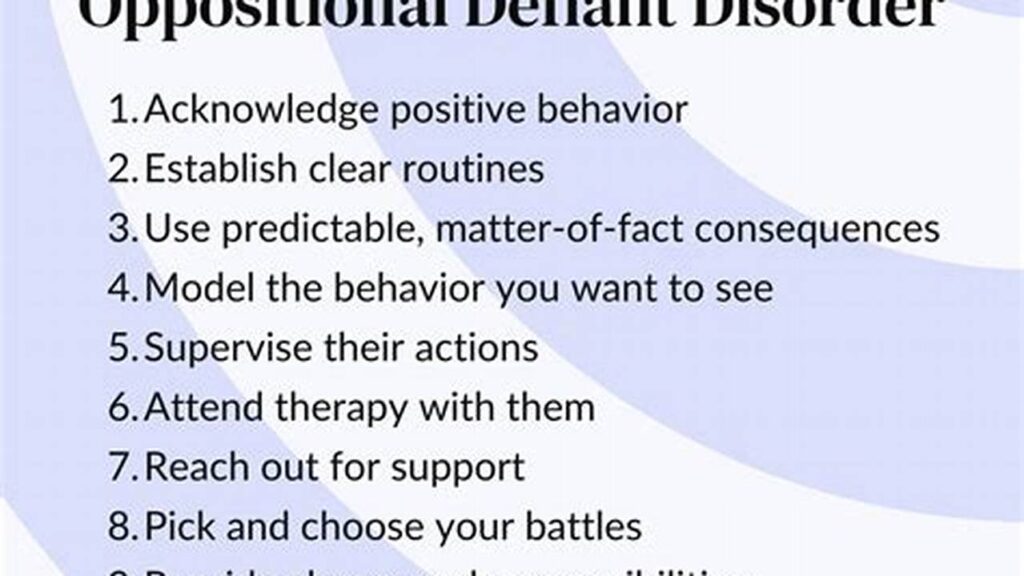
Children with ODD thrive on structure and predictability. Establishing clear rules and consequences, and applying them consistently, provides a framework for understanding acceptable behavior.
Positive Reinforcement Strategies
Focusing on desired behaviors and rewarding them with praise or privileges can motivate positive change more effectively than punishment.
Effective Communication Techniques
Learning to communicate calmly and effectively, even in challenging situations, can de-escalate conflicts and foster mutual understanding.
Seeking Professional Guidance
Collaboration with therapists, counselors, or other professionals specializing in ODD is invaluable. They can provide tailored strategies and support for both the child and the family.
Creating a Supportive Home Environment
Minimizing stressors and creating a predictable routine can significantly reduce the frequency and intensity of ODD behaviors.
Developing Coping Mechanisms
Equipping children with strategies for managing anger, frustration, and impulsivity empowers them to navigate challenging situations more effectively.
Addressing Co-occurring Conditions
ODD often coexists with other conditions like ADHD or anxiety. Addressing these underlying issues is essential for comprehensive management.
Tips for Navigating Challenging Situations
Tip 1: Stay Calm: Maintaining composure during outbursts is crucial. Reacting calmly models appropriate emotional regulation.
Tip 2: Pick Your Battles: Not every disagreement needs to be a confrontation. Prioritize important rules and let minor issues go.
Tip 3: Offer Choices: Providing limited choices empowers the child while maintaining parental control.
Tip 4: Seek Support: Connect with support groups or other parents of children with ODD for shared experiences and encouragement.
Frequently Asked Questions
How is ODD diagnosed?
Diagnosis involves a comprehensive assessment by a qualified professional, considering behavioral patterns, duration, and impact on functioning.
Is ODD a lifelong condition?
While some children outgrow ODD, others may experience persistent challenges. Early intervention and consistent management are key to improving outcomes.
What are the long-term implications of untreated ODD?
Untreated ODD can increase the risk of developing other behavioral or emotional disorders in adolescence and adulthood.
How can schools support children with ODD?
Collaboration between parents and schools is essential. Individualized education plans (IEPs) and behavioral interventions can provide necessary support within the school setting.
Can medication be used to treat ODD?
Medication is not typically the primary treatment for ODD. However, it may be considered in cases where co-occurring conditions like ADHD are present.
How can I find local resources for ODD support?
Mental health professionals, community organizations, and online resources can provide information about local support groups and services.
Managing ODD requires patience, consistency, and a commitment to utilizing effective strategies. By understanding the underlying dynamics and implementing these approaches, parents can create a positive trajectory for their children and foster a healthier family dynamic.