
Supporting a child’s development during the crucial toddler years is paramount. Research consistently demonstrates that early intervention yields significant positive impacts on a child’s trajectory, particularly when families are equipped with effective strategies. This information offers practical, evidence-based approaches for parents to foster their toddlers’ growth across various developmental domains.
Importance of Early Detection
Recognizing developmental delays early allows for timely intervention, maximizing a child’s potential. Early detection provides a foundation for building essential skills and addressing challenges before they become more pronounced.
Focusing on Communication
Language development is a cornerstone of early childhood. Parents can implement strategies like interactive reading, singing, and engaging in descriptive conversations to nurture communication skills.
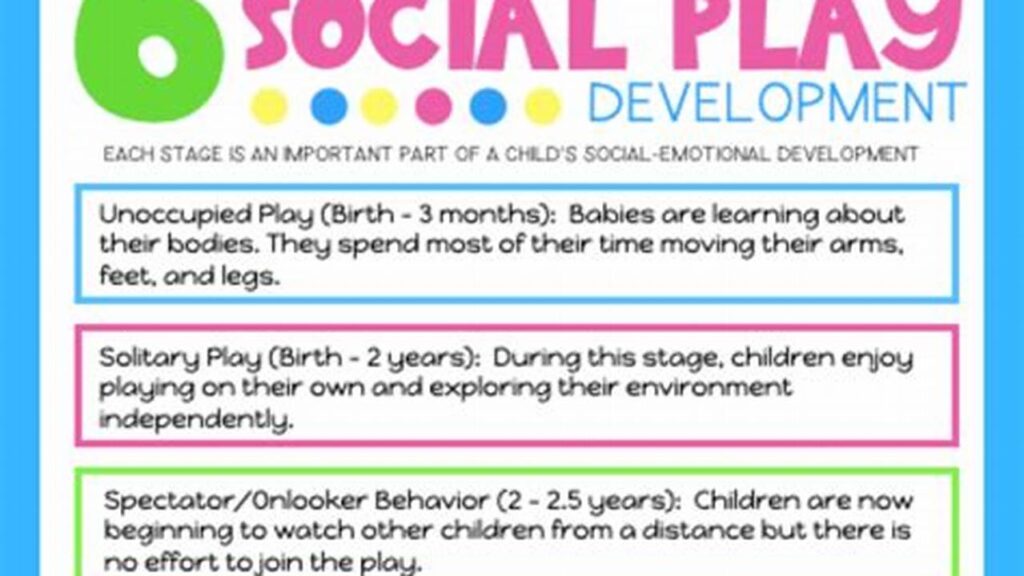
Promoting Social-Emotional Development
Healthy social-emotional development equips toddlers with the tools to navigate emotions, build relationships, and develop empathy. Creating supportive and responsive environments helps foster these essential skills.
Enhancing Cognitive Skills
Cognitive development encompasses problem-solving, critical thinking, and memory. Engaging toddlers in age-appropriate puzzles, games, and exploratory play stimulates cognitive growth.
Supporting Physical Development
Gross and fine motor skills are crucial for physical independence. Activities like outdoor play, drawing, and manipulating small objects contribute to a child’s physical development.
Creating a Structured Routine
Predictable routines provide toddlers with a sense of security and stability, promoting positive behavior and reducing anxiety. Consistent schedules for meals, sleep, and play are essential.
Adaptive Behavior and Independence
Encouraging self-help skills like dressing, eating, and toileting fosters independence and builds self-confidence in toddlers.
Collaboration with Professionals
Connecting with pediatricians, therapists, and early childhood educators provides valuable support and guidance for parents navigating developmental concerns.
Individualized Approaches
Recognizing that each child develops at their own pace is critical. Tailoring strategies to a child’s unique needs and strengths ensures effective intervention.
Tips for Parents
Create a Playful Learning Environment: Transform everyday activities into learning opportunities. Use bath time to explore pouring and measuring, or mealtime to introduce new vocabulary.
Observe and Respond: Pay close attention to your child’s cues and interests. Follow their lead and engage in activities that capture their attention.
Celebrate Small Victories: Positive reinforcement encourages continued progress. Acknowledge and celebrate your child’s achievements, no matter how small.
Practice Patience and Persistence: Developmental progress takes time and effort. Remain patient and consistent in your approach.
Frequently Asked Questions
How can I tell if my toddler needs intervention?
Consult your pediatrician if you have concerns about your child’s development. They can assess your child’s progress and recommend appropriate steps.
What types of interventions are available?
Interventions may include speech therapy, occupational therapy, physical therapy, and early intervention programs.
How can I support my child’s development at home?
Creating a stimulating environment, engaging in interactive play, and following a structured routine are effective ways to support development at home.
Where can I find resources and support?
Early intervention programs, community centers, and online resources offer valuable information and support for parents.
What if I am unsure about a specific strategy?
Consulting with a professional, such as a pediatrician or therapist, can provide clarity and guidance on specific strategies.
How long does early intervention typically last?
The duration of early intervention varies depending on the individual child’s needs and progress. It can range from a few months to several years.
Investing in early intervention is an investment in a child’s future. By utilizing these strategies, parents can empower their toddlers to reach their full potential and thrive.