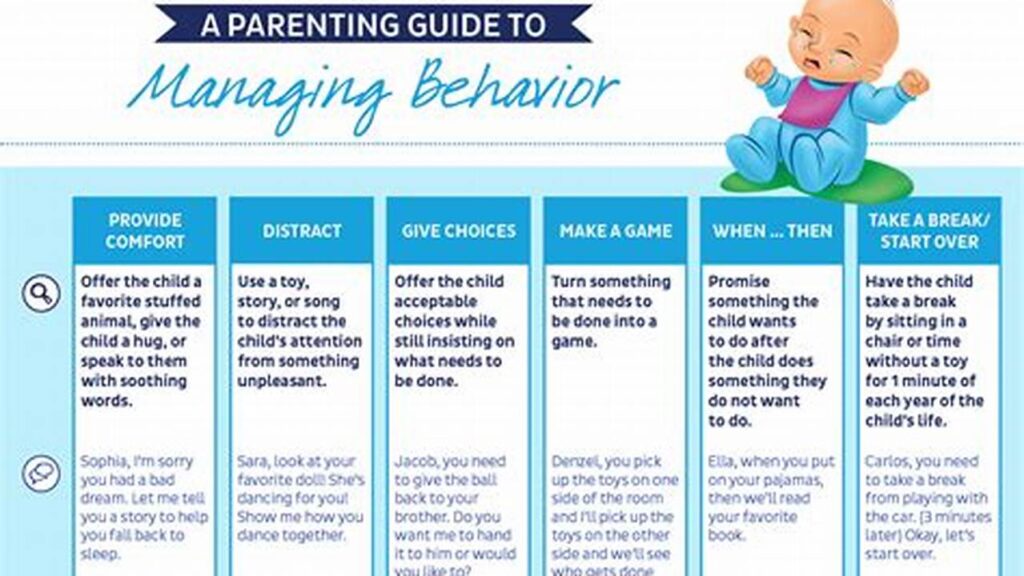

Raising toddlers presents unique challenges, particularly in managing their behavior. Understanding developmental stages and employing proactive strategies can significantly ease this process, fostering positive growth and reducing parental stress. This information provides guidance on nurturing cooperation and minimizing conflict.
Understanding Toddler Development
Recognizing the developmental stage of toddlers is crucial. Their limited language skills, coupled with burgeoning autonomy, often lead to frustration and challenging behaviors.
Consistency and Predictability
Maintaining consistent routines and clear expectations helps toddlers feel secure and understand boundaries.
Positive Reinforcement
Focusing on desired behaviors and offering praise and encouragement reinforces positive actions and motivates cooperation.
Clear Communication
While toddlers have limited language comprehension, clear, simple, and direct communication is essential for setting expectations.
Redirection and Distraction
Steering toddlers away from undesirable behaviors by redirecting their attention to more appropriate activities can prevent escalation.
Logical Consequences
Implementing age-appropriate and related consequences helps toddlers learn from their actions and understand cause and effect.
Time-Outs
Brief, supervised breaks can provide toddlers with a chance to calm down and regain control when overwhelmed.
Seeking Support
Connecting with other parents, support groups, or child development professionals can offer valuable insights and resources.
Tips for Effective Implementation
Tip 1: Observe and Identify Triggers
Pay attention to situations that typically lead to challenging behaviors. Understanding triggers allows for proactive intervention.
Tip 2: Create a Supportive Environment
Ensure the environment is safe, stimulating, and conducive to positive behavior. Minimize potential frustrations.
Tip 3: Offer Choices
Providing limited choices empowers toddlers and fosters a sense of control, reducing power struggles.
Tip 4: Practice Patience
Managing toddler behavior requires patience and understanding. Remember that these behaviors are a normal part of development.
Frequently Asked Questions
What if these strategies don’t work immediately?
Behavioral changes take time and consistency. Don’t be discouraged if results aren’t immediate. Continue to implement the strategies and seek professional guidance if needed.
How do I handle tantrums in public?
Remain calm and consistent. If possible, remove the child from the stimulating environment to a quieter space. Avoid giving in to demands during a tantrum.
Is it okay to ignore certain behaviors?
Ignoring minor attention-seeking behaviors can be effective. However, dangerous or harmful behaviors require immediate intervention.
At what age can these strategies be implemented?
While these strategies can be adapted for different ages, they are generally appropriate for toddlers starting around 18 months.
Where can I find additional resources?
Consult with pediatricians, parenting books, reputable online resources, and local community centers for further support and information.
How can I stay calm when my toddler is misbehaving?
Remember that toddler misbehavior is a normal part of development. Take deep breaths, step away for a moment if needed, and remind yourself that this phase is temporary.
Successfully navigating the challenges of toddler behavior requires knowledge, patience, and consistent effort. By implementing these strategies, parents can create a positive and nurturing environment that supports their child’s development and strengthens the parent-child bond.