
Family conflicts are inevitable. However, the ways individuals choose to navigate these disagreements can significantly impact their well-being and the overall family dynamic. Utilizing detrimental coping strategies can exacerbate existing tensions and create new problems. Understanding these negative patterns and adopting healthier alternatives is crucial for fostering a supportive and harmonious family environment.
Common Negative Responses to Conflict
Individuals may resort to avoidance, suppressing emotions, or refusing to acknowledge the issue. This can lead to resentment and prevent resolution.
Substance Use as a Coping Mechanism
Turning to alcohol or drugs to numb emotional pain caused by family conflict creates additional health and relational problems.
Verbal or Physical Aggression
Expressing anger through hurtful words or physical violence creates a climate of fear and damages trust within the family.
Escalating the Conflict
Rather than seeking resolution, some individuals may intentionally worsen the disagreement, making productive communication impossible.
Triangulation
Involving a third party in the conflict to take sides can create further divisions within the family.
Passive-Aggression
Expressing hostility indirectly through subtle behaviors like sarcasm or procrastination can create confusion and prevent open communication.
Denial
Refusing to acknowledge the existence of a problem prevents any progress towards resolution and allows the conflict to fester.
Self-Destructive Behaviors
Engaging in self-harm or other detrimental behaviors as a way to cope with family conflict requires immediate professional help.
Withdrawal and Isolation
Isolating oneself from family members can exacerbate feelings of loneliness and prevent opportunities for reconciliation.
Projection
Attributing one’s own negative feelings or behaviors to another family member prevents self-reflection and resolution.
Tips for Healthier Conflict Resolution
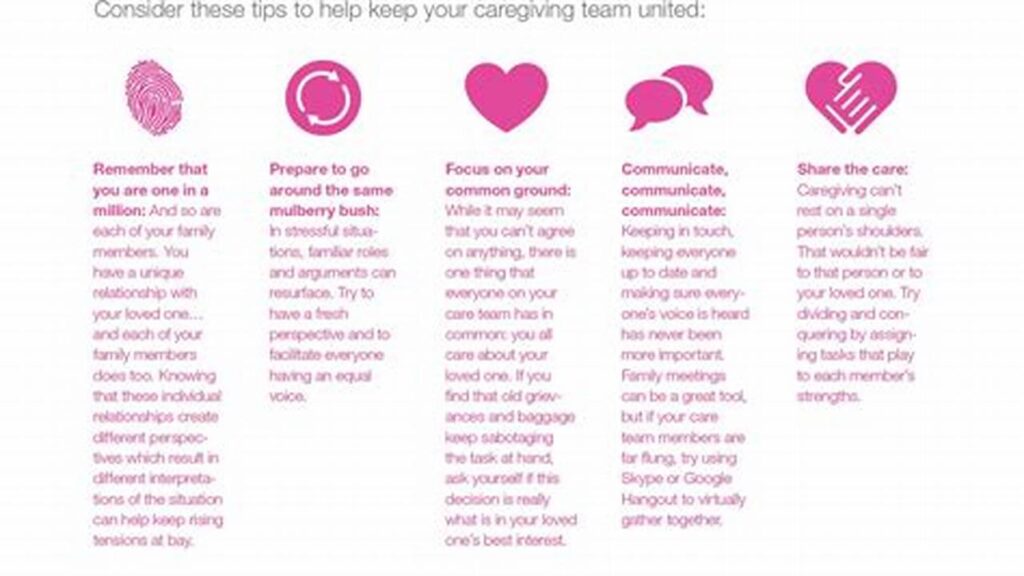
Open and honest communication is essential. Actively listen to each other’s perspectives and express feelings respectfully.
Practice empathy by trying to understand the other person’s point of view, even if you don’t agree with it.
Seek professional guidance from a therapist or counselor. They can provide tools and strategies for effective conflict resolution.
Establish clear boundaries and expectations for behavior during disagreements. This can help prevent escalation and maintain respect.
Frequently Asked Questions
What are some signs that professional help is needed for family conflict?
Indicators include persistent verbal or physical aggression, substance abuse, or significant emotional distress among family members.
How can I encourage family members to participate in conflict resolution?
Start by expressing your own willingness to communicate openly and respectfully. Highlight the benefits of resolving the conflict for everyone involved.
Is it normal for families to experience conflict?
Yes, disagreements are a natural part of family life. The key is learning how to manage these conflicts constructively.
What if one family member refuses to acknowledge the problem?
While you cannot force someone to engage, you can still focus on your own communication style and seek support for yourself.
How long does it typically take to resolve family conflicts?
The timeframe varies depending on the complexity of the issue and the willingness of family members to participate in the process.
What role do individual coping mechanisms play in family conflict resolution?
Healthy individual coping mechanisms, such as stress management techniques and self-care, equip individuals to navigate conflict more constructively, fostering positive resolution.
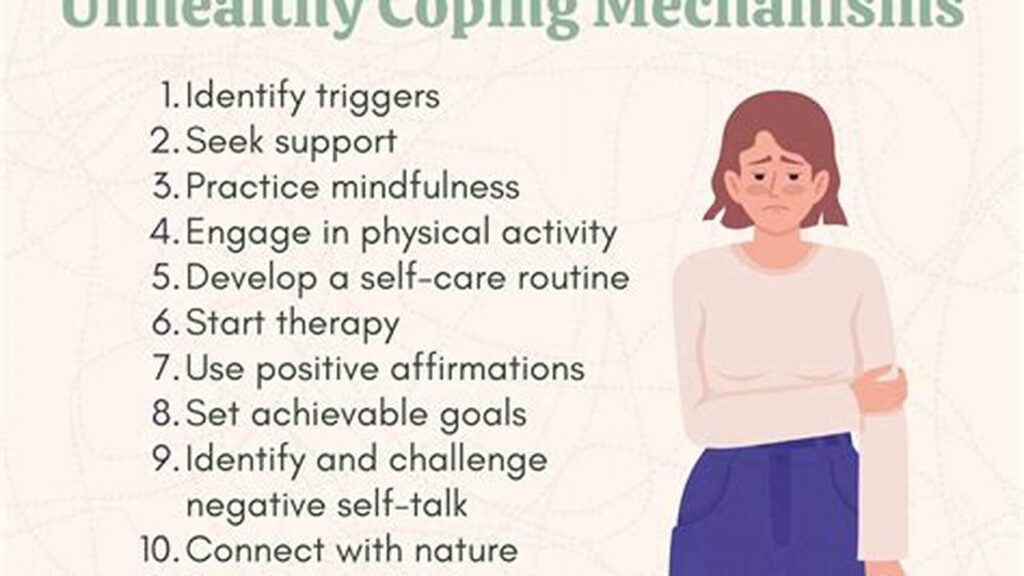
By replacing unhealthy coping mechanisms with constructive strategies, families can strengthen their bonds and create a more supportive and loving environment for all members.