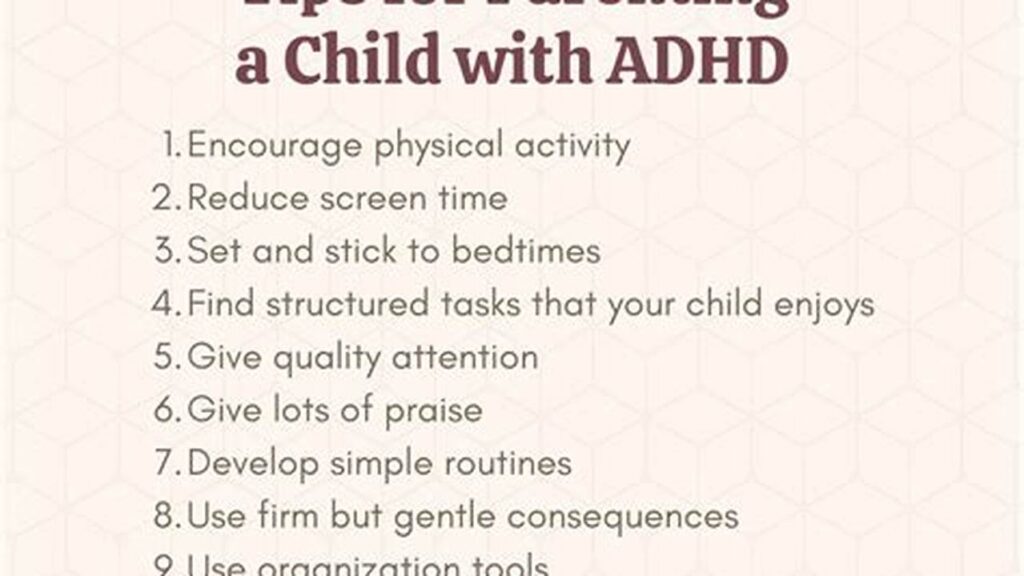

Raising a child with Attention-Deficit/Hyperactivity Disorder (ADHD) presents unique challenges, but with the right approach, parents can foster a supportive and nurturing environment that empowers their child to thrive. Understanding the core principles of managing ADHD and implementing practical strategies can significantly improve family dynamics and the child’s overall well-being. This information offers valuable guidance for parents navigating the complexities of ADHD, providing tools and techniques to create a positive impact on their child’s development and family life.
Structure and Routine
Consistent daily schedules and clear expectations help children with ADHD manage impulsivity and stay organized.
Positive Reinforcement
Focusing on desired behaviors and offering praise and rewards encourages positive changes and builds self-esteem.
Clear Communication
Simple, direct instructions and active listening create a supportive communication environment.
Emotional Regulation Support
Teaching children to identify and manage their emotions equips them with essential life skills.
Collaboration with Educators
Open communication with teachers and school staff ensures a consistent approach to managing ADHD in all environments.
Environmental Modifications
Creating a distraction-free learning space and minimizing sensory overload can improve focus and concentration.
Healthy Lifestyle
Adequate sleep, regular exercise, and a balanced diet contribute to overall well-being and can positively impact ADHD symptoms.
Seeking Professional Guidance
Consulting with therapists, psychologists, or psychiatrists specializing in ADHD provides expert support and personalized strategies.
Self-Care for Parents
Prioritizing parental well-being allows caregivers to manage stress and effectively support their child.
Tips for Effective Implementation
Break down tasks: Divide large assignments into smaller, manageable steps to prevent overwhelm.
Visual aids: Use charts, timers, and checklists to enhance organization and time management skills.
Designated spaces: Create specific areas for homework, play, and relaxation to promote focus and minimize distractions.
Consistent consequences: Implement clear and consistent consequences for both positive and negative behaviors.
Frequently Asked Questions
How can I differentiate between typical childhood behavior and ADHD?
While some level of inattention and impulsivity is normal in children, ADHD involves persistent and significant challenges in these areas that impact daily functioning. A professional evaluation is crucial for accurate diagnosis.
What are the different types of ADHD?
ADHD is categorized into three main presentations: predominantly inattentive, predominantly hyperactive-impulsive, and combined type. Each presentation exhibits different primary symptoms.
Are medications always necessary for managing ADHD?
Medication can be a helpful tool for some individuals with ADHD, but it’s not always necessary. Behavioral therapies, lifestyle adjustments, and parental strategies can be highly effective, and treatment plans are individualized based on specific needs.
How can I support my child’s self-esteem while addressing their ADHD challenges?
Focus on their strengths and celebrate their successes, no matter how small. Provide consistent encouragement and remind them that ADHD is not a character flaw but a neurological difference.
Where can I find additional resources and support for parents of children with ADHD?
Numerous organizations, such as CHADD (Children and Adults with Attention-Deficit/Hyperactivity Disorder) and the Attention Deficit Disorder Association (ADDA), offer valuable resources, support groups, and educational materials for parents and individuals with ADHD.
Successfully navigating the complexities of parenting a child with ADHD requires patience, understanding, and a commitment to implementing effective strategies. By utilizing the guidance and resources available, parents can create a supportive environment that empowers their child to reach their full potential and build a strong foundation for future success.