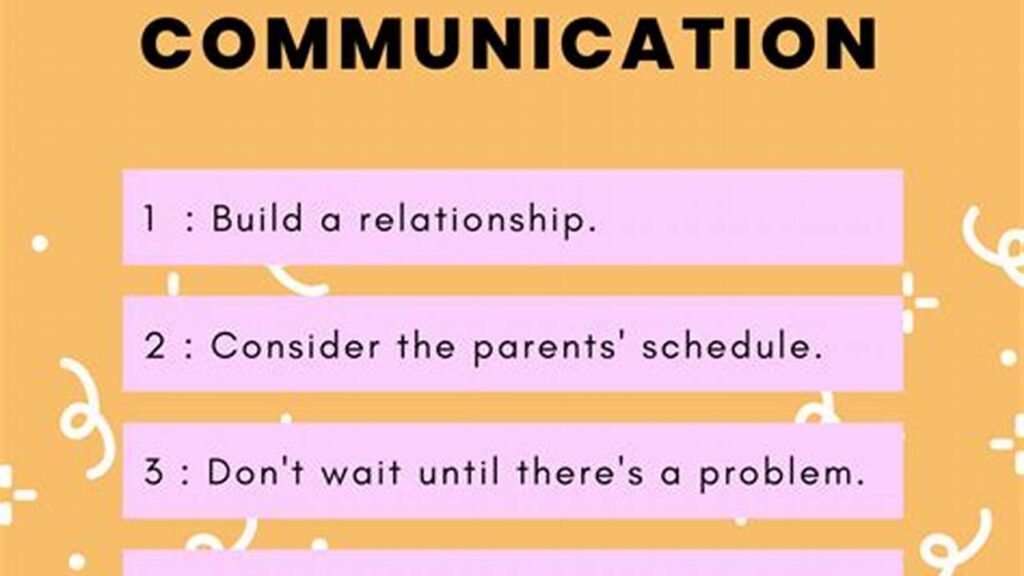

Effective communication between parents and teachers is the cornerstone of a successful educational experience. It fosters a collaborative environment where both parties can work together to support a student’s academic, social, and emotional growth. Open and consistent dialogue enables a shared understanding of the student’s strengths, challenges, and progress, ultimately contributing to a more positive and productive learning journey.
Shared Understanding of Student Progress
Regular communication ensures parents are informed about their child’s academic performance, behavior, and overall development, enabling them to provide appropriate support at home.
Early Identification of Learning Gaps
Open communication channels allow teachers to quickly identify and address any learning gaps or challenges a student may be facing, preventing them from escalating.
Strengthened Home-School Connection
Consistent interaction creates a strong link between home and school, reinforcing the importance of education and creating a supportive learning environment for the student.
Enhanced Parental Involvement
When parents feel connected to the school community, they are more likely to actively participate in their child’s education, contributing to their overall success.
Improved Student Behavior and Motivation
A collaborative approach between parents and teachers can positively influence student behavior and motivation, fostering a sense of responsibility and accountability.
Timely Resolution of Concerns
Established communication pathways facilitate prompt and effective resolution of any concerns or issues that may arise, minimizing potential disruptions to the learning process.
Personalized Learning Support
Open communication allows teachers and parents to share insights about a student’s learning style and preferences, enabling the development of personalized learning strategies.
Increased Teacher Effectiveness
Parent feedback provides valuable insights into student needs and learning experiences, allowing teachers to refine their instructional practices and improve their effectiveness.
Positive School Climate
Strong parent-teacher relationships contribute to a positive and supportive school climate, benefiting all students and staff.
Empowered Parent Community
Effective communication empowers parents with the knowledge and resources they need to support their children’s education, creating a strong and engaged parent community.
Tips for Effective Communication
Regular Updates and Check-ins
Schedule regular communication through various channels, such as emails, newsletters, or phone calls, to keep parents informed about classroom activities and student progress.
Utilize Technology Platforms
Leverage digital platforms and communication tools to streamline communication and provide easy access to information for parents.
Encourage Parent-Teacher Conferences
Facilitate regular parent-teacher conferences to discuss student progress, address concerns, and collaboratively develop strategies for improvement.
Create a Welcoming School Environment
Foster a welcoming and inclusive school environment where parents feel comfortable communicating with teachers and actively participating in school events.
Frequently Asked Questions
How can I best support my child’s learning at home?
Regularly communicate with your child’s teacher to understand their learning goals and identify ways to reinforce concepts at home. Create a dedicated learning space and establish a consistent study routine.
What should I do if I have concerns about my child’s progress?
Reach out to your child’s teacher as soon as possible to discuss your concerns. Open communication can help identify the root cause of any challenges and develop effective solutions.
How can I stay informed about classroom activities and events?
Sign up for school newsletters, follow school social media pages, and regularly check the school website for updates and announcements.
What are the best ways to communicate with my child’s teacher?
Utilize a combination of communication methods, such as email, phone calls, or parent-teacher conferences, to ensure effective and timely communication.
How can I be more involved in my child’s education?
Volunteer at school events, participate in parent-teacher organizations, and attend school board meetings to actively engage in your child’s educational journey.
How can I help my child develop good study habits?
Work with your child’s teacher to establish consistent routines, create a supportive learning environment at home, and encourage effective time management skills.
Cultivating strong parent-teacher communication is an investment in a student’s success. By working together, parents and teachers can create a supportive and enriching learning experience that empowers students to reach their full potential.