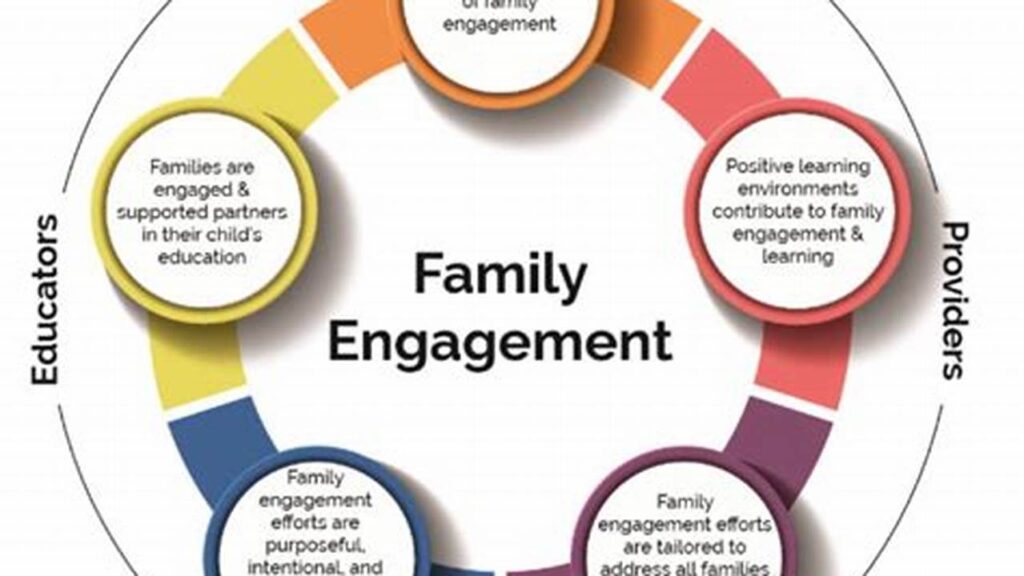

Elevated academic achievement and a more enriching educational experience are often linked to strong partnerships between schools and families. When parents are actively involved in their children’s education, students tend to perform better academically, demonstrate improved behavior, and exhibit greater motivation towards learning. This involvement can take many forms, from assisting with homework and attending school events to communicating regularly with teachers and actively participating in school decision-making processes. Cultivating these connections is essential for fostering a supportive learning environment where students can thrive.
Improved Academic Performance
Research consistently demonstrates a positive correlation between parental involvement and student academic success. Students whose parents are actively engaged tend to earn higher grades, achieve higher test scores, and have better attendance records.
Increased Student Motivation
When parents demonstrate an interest in their children’s education, it sends a powerful message about the value of learning. This can significantly boost a student’s motivation and engagement in the classroom.
Enhanced Communication
Regular communication between parents and educators fosters a shared understanding of the student’s strengths, challenges, and progress. This open dialogue allows for early intervention and tailored support.
Stronger School-Community Relationships
Active parental involvement strengthens the bonds between the school and the wider community. This creates a more supportive and collaborative environment for all students.
Better Classroom Behavior
Students whose parents are involved in their education tend to exhibit more positive classroom behavior and a greater respect for school rules and expectations.
Greater Student Confidence
Knowing that their parents are actively supporting their learning journey can significantly boost a student’s self-esteem and confidence in their abilities.
Development of Essential Life Skills
Parental involvement can help students develop essential life skills, such as time management, organization, and responsibility, which are crucial for success both in and out of school.
Increased Parental Satisfaction
When parents are actively involved in their children’s education, they gain a deeper understanding of the school’s programs and their child’s learning process, leading to greater satisfaction with the overall educational experience.
Tips for Effective Engagement
Establish regular communication channels with teachers through emails, phone calls, or parent-teacher conferences.
Create a dedicated learning space at home free from distractions.
Actively participate in school events and activities.
Show genuine interest in your child’s learning by asking about their day and engaging in conversations about their schoolwork.
Frequently Asked Questions
How can working parents effectively engage in their child’s education?
Even busy schedules can accommodate short bursts of engagement. Focus on quality time, such as reviewing homework together or discussing school activities during dinner. Utilize online communication tools to stay connected with teachers.
What if I don’t understand the subject matter my child is learning?
Focus on supporting the learning process rather than the content itself. Encourage your child to ask questions, seek help from teachers, and utilize online resources. Your role is to foster a positive learning environment, not to become the teacher.
How can I help my child stay organized?
Help them establish routines, create checklists, and use calendars or planners. Teach them time management skills and encourage them to break down large tasks into smaller, manageable steps.
What if my child is struggling academically?
Communicate with the teacher immediately. Work together to identify the root cause of the challenges and develop a plan of action. Consider seeking additional support, such as tutoring or after-school programs.
How can I make learning fun for my child?
Incorporate games, interactive activities, and real-world examples into learning. Visit museums, libraries, and other educational venues. Encourage your child’s natural curiosity and make learning an enjoyable experience.
What if I have concerns about my child’s social-emotional well-being?
Reach out to the school counselor or teacher. They can provide support and resources to address your child’s social-emotional needs. Open communication and a supportive home environment are crucial for their well-being.
Building strong partnerships between parents and educators is an investment in a child’s future. By actively engaging in their children’s education, parents contribute significantly to their academic success, personal growth, and overall well-being.