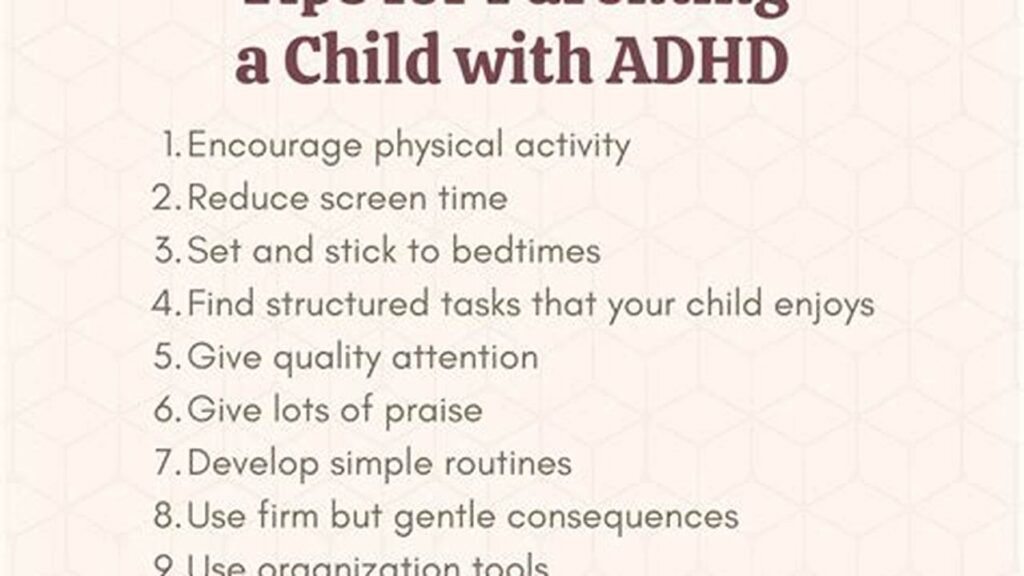

Raising a child with Attention-Deficit/Hyperactivity Disorder (ADHD) presents unique challenges, but with the right approach, parents can foster a supportive and nurturing environment that empowers their child to thrive. Understanding the core tenets of successful parenting for children with ADHD is crucial for promoting positive development and well-being. This information provides guidance on evidence-based approaches, practical techniques, and valuable resources to help parents navigate the complexities of ADHD and build strong, resilient family relationships.
Structure and Routine
Consistent daily routines, clear expectations, and predictable environments can significantly reduce anxiety and improve focus for children with ADHD.
Positive Reinforcement
Focusing on desired behaviors and offering praise and rewards, however small, can motivate positive change more effectively than punishment.
Clear Communication
Simple, direct instructions and breaking down tasks into smaller, manageable steps can improve comprehension and task completion.
Emotional Regulation Support
Helping children identify and manage their emotions through techniques like deep breathing or mindfulness can reduce impulsivity and emotional outbursts.
Collaboration with Educators
Open communication and collaboration with teachers and school staff are essential for creating a consistent and supportive learning environment.
Seeking Professional Guidance
Consulting with therapists, psychologists, or psychiatrists specializing in ADHD can provide personalized strategies and support for both the child and the family.
Healthy Lifestyle
Adequate sleep, regular exercise, and a balanced diet can positively impact attention, focus, and overall well-being.
Patience and Understanding
Remembering that ADHD is a neurodevelopmental disorder and that children are not intentionally defiant or disruptive is crucial for building a strong parent-child relationship.
Tip 1: Visual Aids and Reminders
Utilizing visual schedules, checklists, and timers can help children stay organized and on track.
Tip 2: Designated Spaces
Creating quiet, organized spaces for homework and studying can minimize distractions and improve concentration.
Tip 3: Breaking Down Tasks
Dividing large assignments into smaller, more manageable chunks can make them less overwhelming and increase the likelihood of completion.
Tip 4: Incorporating Movement
Scheduling regular breaks for physical activity can help children release excess energy and improve focus.
What are the common signs of ADHD in children?
Common signs include inattention, hyperactivity, and impulsivity, but these can manifest differently in each child.
How is ADHD diagnosed?
Diagnosis typically involves a comprehensive evaluation by a qualified professional, including interviews, observations, and assessments.
Are there different types of ADHD?
Yes, there are three primary presentations: predominantly inattentive, predominantly hyperactive-impulsive, and combined.
What are the long-term implications of untreated ADHD?
Untreated ADHD can lead to difficulties in academic performance, social relationships, and emotional regulation.
Where can I find additional resources and support?
Numerous organizations and online communities offer valuable information, support groups, and resources for families affected by ADHD.
How can I help my child with ADHD build self-esteem?
Focus on their strengths, celebrate their accomplishments, and provide consistent encouragement and support.
By implementing these strategies and seeking appropriate support, parents can equip their children with the tools they need to navigate the challenges of ADHD and reach their full potential. Creating a positive and understanding environment is essential for fostering resilience, self-advocacy, and overall well-being.