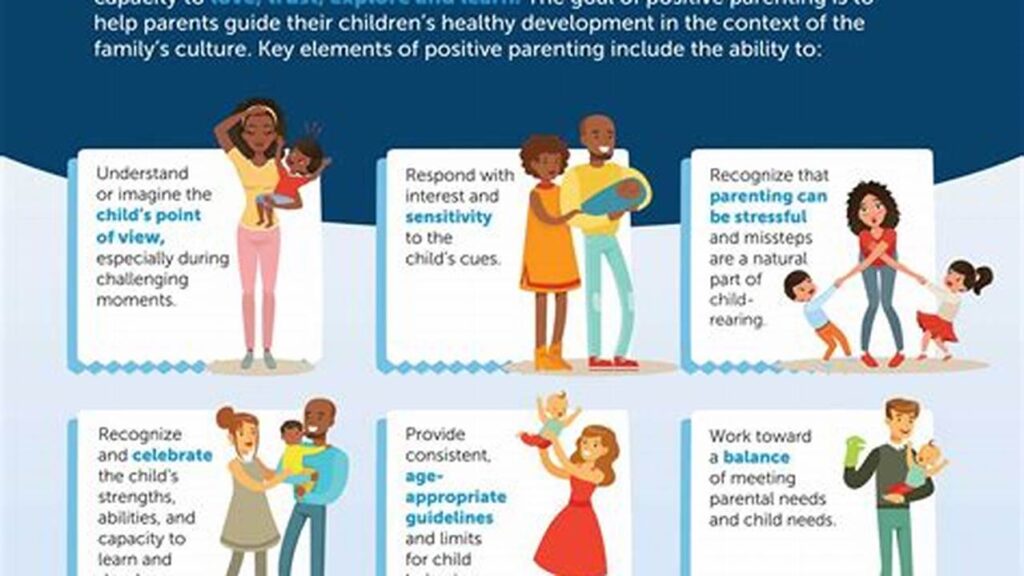

Raising well-adjusted and happy children is a universal aspiration. Utilizing researched and proven methods can significantly improve the parent-child relationship while fostering a positive developmental environment. This approach focuses on building a strong connection based on mutual respect, understanding, and open communication, leading to improved behavior and emotional regulation in children. It offers a pathway to nurturing children’s self-esteem and resilience, equipping them with essential life skills.
10 Important Points for Positive Parenting
Building a strong parent-child bond is the foundation of this approach.
Focusing on positive reinforcement encourages desired behaviors.
Setting clear and consistent expectations helps children understand boundaries.
Empathetic listening creates a safe space for children to express their feelings.
Offering choices empowers children and fosters a sense of autonomy.
Providing logical consequences for misbehavior helps children learn responsibility.
Avoiding power struggles promotes mutual respect and cooperation.
Focusing on solutions rather than blame encourages problem-solving skills.
Taking care of oneself as a parent allows for more effective parenting.
Continuously learning and adapting parenting strategies is crucial for growth.
Four Tips for Implementing Positive Parenting
Descriptive Praise: Instead of simply saying “good job,” offer specific praise, such as “I appreciate how you helped your sister.” This reinforces the positive behavior and helps children understand what they did well.
Active Listening: Give children undivided attention when they are speaking, reflecting their feelings back to them to ensure understanding and validate their emotions.
Family Meetings: Regular family meetings create a platform for open communication, collaborative problem-solving, and shared decision-making.
Self-Care for Parents: Prioritizing self-care allows parents to manage stress effectively, model healthy coping mechanisms, and be more present and patient with their children.
Frequently Asked Questions
How does positive parenting differ from permissive parenting?
While both approaches emphasize warmth and connection, positive parenting also sets clear expectations and boundaries, fostering a sense of responsibility and self-regulation in children, whereas permissive parenting may lack these crucial elements.
Is positive parenting effective for all ages?
Yes, the principles of positive parenting can be adapted and applied to children of all ages, from toddlers to teenagers, though specific strategies may vary depending on the child’s developmental stage.
What if positive parenting techniques don’t seem to be working?
Consistency and patience are key. It may take time for children to adjust to new approaches. Seeking support from parenting resources or professionals can provide additional guidance and support.
How can parents learn more about positive parenting strategies?
Numerous books, articles, workshops, and online resources are available to help parents learn more about positive parenting and implement these strategies effectively.
How can I stay consistent with positive parenting, especially when stressed?
Building a support network, practicing self-care, and having a plan for challenging moments can help maintain consistency even during stressful times. Remember that occasional lapses are normal and don’t negate the overall positive approach.
Can positive parenting address specific behavioral challenges?
While not a quick fix, positive parenting provides a framework for understanding the root causes of challenging behaviors and developing strategies to address them constructively. It focuses on teaching children alternative behaviors and coping skills.
By embracing these strategies, parents can cultivate a nurturing and supportive environment that empowers children to thrive emotionally, socially, and academically. It’s an ongoing journey of learning and growth, benefiting both children and parents alike.