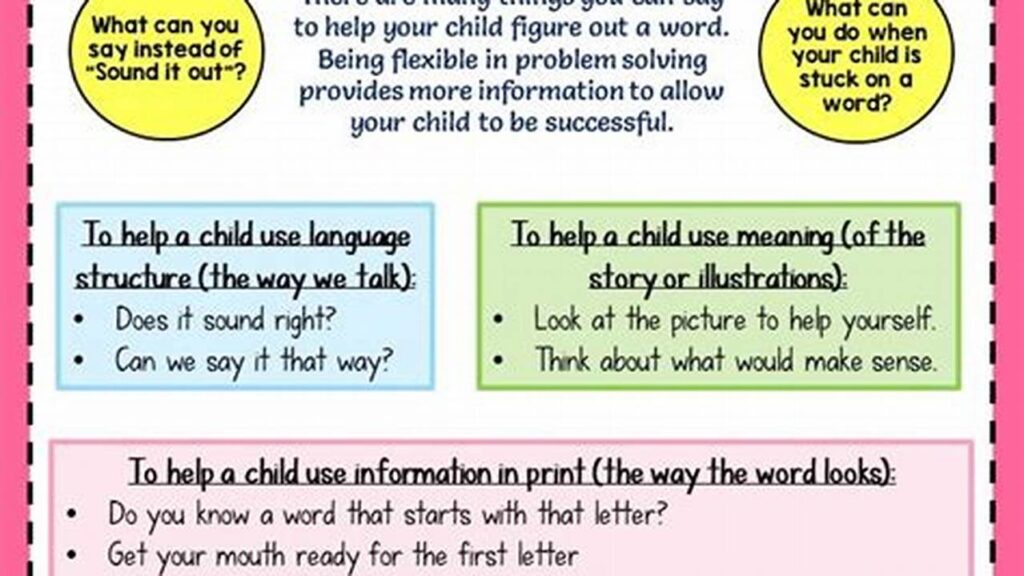

Cultivating a love for reading in children is a vital step in their educational journey. Parents play a crucial role in fostering this love, and employing proven techniques can significantly enhance a child’s reading comprehension and overall academic success. Providing children with the tools they need to become confident, engaged readers offers lifelong benefits, from improved communication skills to enhanced critical thinking abilities.
Building a Reading-Rich Environment
Creating a space dedicated to reading, stocked with age-appropriate books, encourages children to explore the world of literature. A comfortable and inviting reading nook can transform reading from a chore into a cherished pastime.
Modeling Reading Behavior
Children often emulate the behaviors they observe. Parents who regularly engage with books themselves demonstrate the importance and enjoyment of reading.
Making Reading a Shared Experience
Reading aloud together creates a bonding experience and helps children connect with stories on a deeper level. Discussions about the characters, plot, and themes further enrich comprehension.
Visiting the Library Regularly
Libraries offer a vast selection of books and resources, sparking curiosity and providing access to diverse genres and authors. Regular visits normalize reading and make it a part of family life.
Incorporating Reading into Daily Routines
Integrating reading into everyday activities, such as bedtime stories or reading recipes together, reinforces the importance of literacy in practical contexts.
Utilizing Interactive Reading Activities
Engaging children with activities like character dress-up, storytelling prompts, and creating artwork based on books can transform reading into a dynamic and interactive experience.
Encouraging Independent Reading
Providing children with the freedom to choose their own books empowers them to explore their interests and develop a personal connection with reading.
Celebrating Reading Milestones
Acknowledging and celebrating achievements, such as finishing a challenging book or mastering a new reading skill, reinforces positive reading habits and motivates continued progress.
Tips for Enhancing Reading Comprehension
Asking open-ended questions about the text encourages critical thinking and deeper understanding.
Connecting the story to the child’s own experiences helps them relate to the characters and themes.
Using visual aids, such as maps or character charts, can enhance comprehension and engagement.
Encouraging children to retell the story in their own words reinforces understanding and memory retention.
Frequently Asked Questions
How can I help my child who struggles with reading?
Patience and positive reinforcement are key. Focus on building foundational skills through phonics and sight word practice. Consult with educators for personalized strategies and resources.
What if my child doesn’t enjoy reading?
Experiment with different genres and formats, such as graphic novels or audiobooks. Find books that align with their interests and passions. Make reading a fun and engaging activity, rather than a chore.
At what age should I start reading to my child?
It’s never too early! Introducing books from infancy fosters a love of language and literacy. Even newborns benefit from hearing the rhythm and cadence of language.
How can I make time for reading in our busy schedule?
Even short bursts of reading throughout the day can make a difference. Establish a dedicated reading time, even if it’s just 15-20 minutes before bedtime.
How do I know if my child is reading at the appropriate level?
Consult with their teacher or utilize online resources to assess their reading level. Look for signs of struggle, such as frequent mispronunciations or difficulty understanding the text.
What are some good resources for finding age-appropriate books?
Libraries, bookstores, and online resources like Common Sense Media offer curated lists of books for different age groups and interests. Consult with educators or librarians for personalized recommendations.
Developing strong reading skills is a foundational element of a child’s education and future success. By actively engaging with these strategies, parents can empower their children to become confident and enthusiastic readers, opening doors to a world of knowledge and imagination.