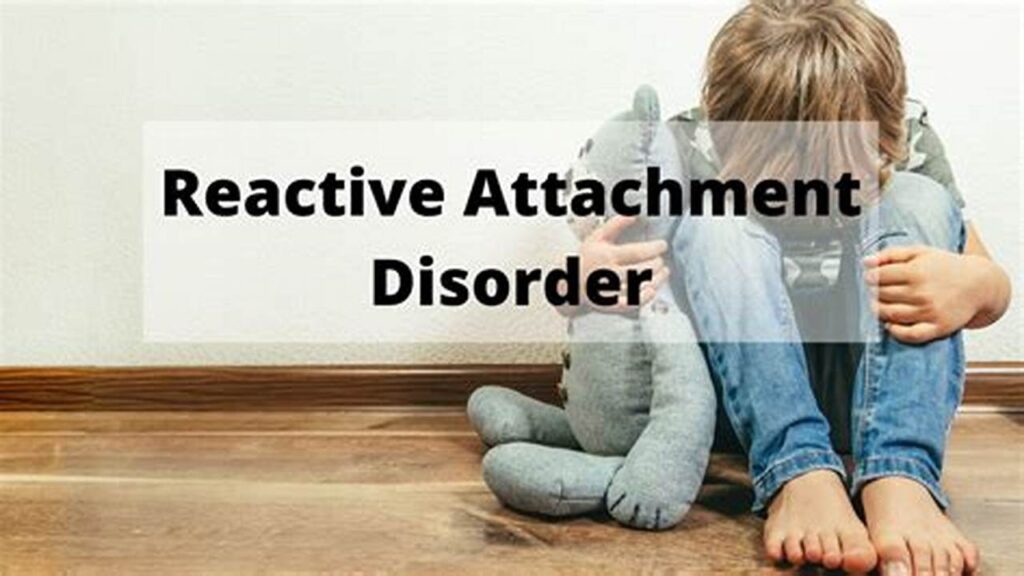

Raising children with Reactive Attachment Disorder (RAD) presents unique challenges, requiring specialized parenting approaches. This condition, often rooted in early childhood trauma or neglect, can significantly impact a child’s ability to form healthy attachments and relationships. Understanding the complexities of RAD and implementing effective strategies is crucial for fostering a supportive and healing environment for these children.
Understanding Reactive Attachment Disorder
RAD manifests in a range of behavioral and emotional difficulties, including difficulty connecting with caregivers, emotional withdrawal, and inhibited social interaction. Early intervention and consistent, therapeutic parenting practices are essential for mitigating the long-term effects of the disorder.
The Importance of Specialized Parenting
Traditional parenting methods often prove ineffective with children diagnosed with RAD. These children require a tailored approach that addresses their specific emotional and developmental needs, focusing on building trust and creating a sense of safety.
Creating a Secure and Predictable Environment
Consistency and predictability are paramount for children with RAD. Establishing clear routines and boundaries helps reduce anxiety and fosters a sense of stability, allowing the child to feel more secure.
Therapeutic Parenting Techniques
Specific techniques, such as play therapy, attachment-based therapy, and trauma-informed care, can be instrumental in helping children with RAD process their experiences and develop healthier coping mechanisms.
Building Trust and Connection
Gaining the trust of a child with RAD requires patience, empathy, and unwavering commitment. Small, consistent gestures of affection and support can gradually build a foundation for a secure attachment.
Managing Challenging Behaviors
Children with RAD may exhibit challenging behaviors, including aggression, defiance, and emotional outbursts. Understanding the underlying causes of these behaviors and responding with compassion and firmness is crucial.
Seeking Professional Support
Working with a therapist or counselor specializing in RAD is essential for both the child and the family. Professional guidance provides support, resources, and strategies for navigating the challenges of raising a child with RAD.
The Role of Patience and Persistence
Progress with children diagnosed with RAD can be slow and challenging. Maintaining patience, persistence, and a positive outlook is crucial for supporting the child’s journey towards healing.
Long-Term Outcomes and Support
With appropriate intervention and consistent effort, children with RAD can develop healthier attachments and improve their social-emotional functioning. Ongoing support and guidance can help ensure continued progress and well-being.
Four Tips for Parents of Children with RAD
Tip 1: Focus on Regulation. Help the child regulate their emotions through calming techniques and predictable routines.
Tip 2: Prioritize Connection. Engage in activities that foster connection and build trust, such as shared reading or play.
Tip 3: Seek Support. Connect with other parents of children with RAD or join support groups for guidance and encouragement.
Tip 4: Celebrate Small Victories. Acknowledge and celebrate even small steps forward, reinforcing positive behaviors and building the child’s self-esteem.
Frequently Asked Questions (FAQ)
What is the difference between RAD and other attachment issues?
RAD is a distinct disorder characterized by a persistent inability to form healthy attachments, often stemming from early trauma or neglect.
How is RAD diagnosed?
Diagnosis typically involves a comprehensive assessment by a qualified mental health professional, considering the child’s history, behaviors, and social-emotional functioning.
Can RAD be treated?
While there is no “cure” for RAD, therapeutic interventions and consistent parenting strategies can significantly improve a child’s ability to form attachments and navigate relationships.
What are the long-term effects of RAD if left untreated?
Untreated RAD can lead to ongoing social-emotional difficulties, impacting relationships, academic performance, and overall well-being.
How can schools support children with RAD?
Educators can support children with RAD by creating a predictable and structured classroom environment, implementing trauma-informed practices, and collaborating closely with parents and therapists.
Where can I find additional resources and support?
Several organizations and online communities offer valuable resources, support groups, and information for parents and caregivers of children with RAD. Consulting with a mental health professional can also provide guidance on accessing appropriate resources.
Raising a child with RAD requires dedication, understanding, and a commitment to creating a nurturing and therapeutic environment. By implementing effective parenting strategies and seeking professional support, families can empower these children to develop healthier attachments and thrive.