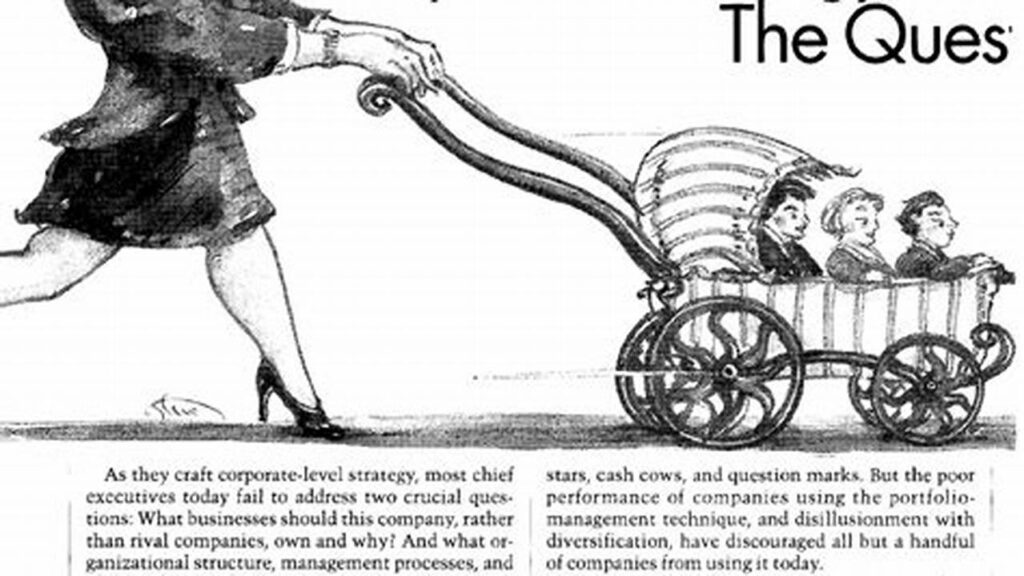

Integrating the unique skills and perspectives cultivated through parenthood into corporate strategy offers a wealth of untapped potential. This approach recognizes that the challenges and rewards of raising children often translate into valuable professional attributes. By fostering a supportive environment that values these skills, organizations can cultivate a more empathetic, resilient, and innovative workforce.
Enhanced Time Management and Prioritization Skills
Raising children necessitates efficient time management and prioritization. Parents develop a keen ability to juggle multiple responsibilities simultaneously, a skill highly transferable to the corporate world.
Improved Communication and Empathy
Parenting hones communication skills, particularly the ability to connect with individuals from diverse backgrounds and perspectives. This enhanced empathy can lead to stronger team dynamics and improved client relations.
Increased Resilience and Adaptability
The unpredictable nature of parenthood fosters resilience and adaptability. Parents become adept at handling unexpected challenges and adjusting plans on the fly, valuable traits in today’s dynamic business environment.
Stronger Negotiation and Conflict Resolution Skills
Navigating family dynamics often involves negotiation and conflict resolution. These experiences equip parents with the skills to effectively manage workplace disagreements and build consensus.
Enhanced Creativity and Problem-Solving Abilities
Parents constantly face novel challenges that require creative solutions. This constant problem-solving strengthens their ability to think outside the box and develop innovative strategies in the workplace.
Improved Multitasking and Organizational Skills
Managing a household and children demands exceptional organizational and multitasking skills. These skills translate directly into improved efficiency and productivity in a professional setting.
Greater Emotional Intelligence and Patience
Parenting cultivates emotional intelligence and patience. Parents learn to understand and manage their own emotions, as well as those of others, leading to improved interpersonal relationships in the workplace.
Stronger Leadership and Mentorship Qualities
The experience of guiding and nurturing children often translates into strong leadership and mentorship qualities. Parents develop the ability to inspire, motivate, and support others, fostering a positive and productive work environment.
A Broader Perspective and Long-Term Vision
Raising children instills a long-term perspective and a focus on the greater good. This broader view can contribute to more strategic decision-making and a commitment to sustainable business practices.
Tips for Integrating Parental Skills into Corporate Strategy
Flexible Work Arrangements: Offering flexible work arrangements, such as remote work options and flexible hours, allows parents to balance work and family responsibilities effectively.
Mentorship Programs: Establishing mentorship programs that pair experienced parent-employees with newer parents can provide valuable support and guidance.
Training and Development: Investing in training and development programs that focus on skills like time management, communication, and emotional intelligence can further enhance the contributions of parent-employees.
Inclusive Company Culture: Creating a company culture that values and celebrates the skills and perspectives of parents can foster a more engaged and productive workforce.
Frequently Asked Questions
How can companies identify and leverage the skills of parent-employees?
Companies can conduct skills assessments, incorporate relevant questions into performance reviews, and create platforms for employees to share their experiences and expertise.
What are the potential benefits of incorporating parental skills into leadership development programs?
Integrating parental skills into leadership development can cultivate more empathetic, resilient, and effective leaders who are better equipped to manage diverse teams and navigate complex challenges.
How can companies create a supportive environment for working parents?
Offering flexible work arrangements, providing access to childcare resources, and fostering a culture of understanding and support are crucial steps in creating a parent-friendly workplace.
What are some common misconceptions about working parents?
Common misconceptions include the assumption that parents are less committed to their careers or less productive than their non-parent counterparts. These assumptions are often unfounded and detrimental to creating an inclusive workplace.
How can companies measure the impact of initiatives aimed at supporting working parents?
Companies can track metrics such as employee retention, engagement, and performance to assess the effectiveness of programs designed to support working parents.
By recognizing and valuing the unique skills and perspectives of parents, organizations can unlock a significant competitive advantage, fostering a more engaged, productive, and innovative workforce.