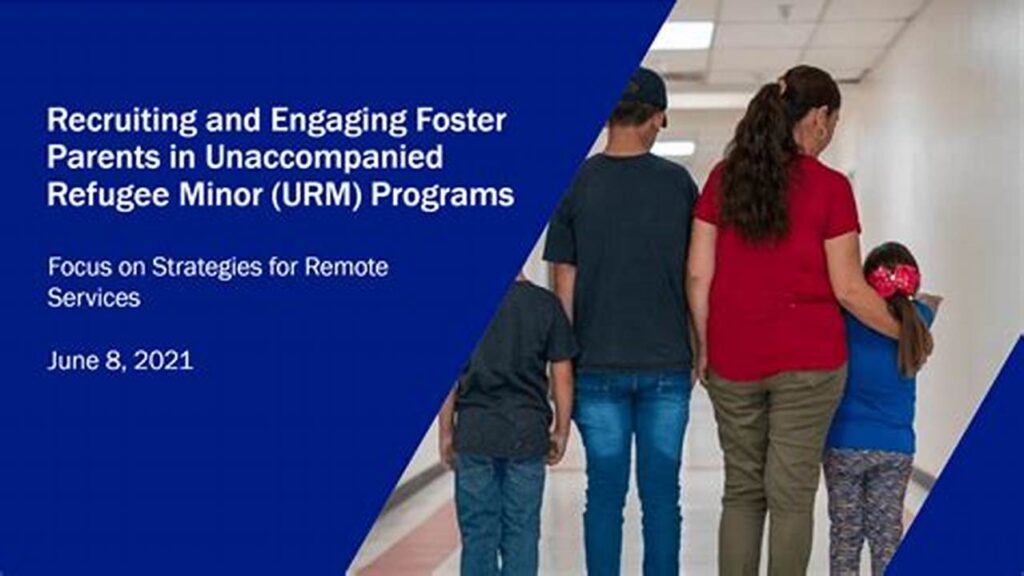

Finding suitable homes for children in need is a critical function of child welfare services. A robust and well-executed recruitment plan is essential for attracting qualified, nurturing individuals and families to foster parenting. This involves a multifaceted approach, combining targeted outreach, clear communication, and ongoing support to build a strong network of foster families.
Targeted Outreach
Identifying and engaging specific demographics likely to be receptive to foster parenting, such as community groups, faith-based organizations, and professional networks.
Clear Messaging
Communicating the needs of children in care honestly and transparently, while also highlighting the rewards and challenges of foster parenting.
Streamlined Application Process
Making the application process as efficient and user-friendly as possible to avoid deterring potential applicants.
Comprehensive Training and Preparation
Equipping prospective foster parents with the knowledge and skills necessary to provide a safe, stable, and nurturing environment.
Ongoing Support and Resources
Providing continuous support, resources, and respite care to foster families to help them navigate the challenges of fostering and prevent burnout.
Collaboration with Community Partners
Working closely with community organizations, schools, and healthcare providers to create a supportive network for foster families.
Utilizing Diverse Recruitment Channels
Employing a variety of recruitment methods, including social media, online advertising, community events, and print materials.
Highlighting the Positive Impact
Sharing success stories and testimonials from current foster parents to inspire others to consider fostering.
Regular Evaluation and Improvement
Continuously evaluating the effectiveness of recruitment strategies and making adjustments based on data and feedback.
Tips for Successful Recruitment
Tip 1: Build relationships with community organizations. These groups can be invaluable in connecting with potential foster parents.
Tip 2: Utilize social media platforms effectively. Targeted ads and engaging content can reach a wide audience.
Tip 3: Offer informational sessions and events. These provide opportunities for prospective foster parents to learn more and ask questions.
Tip 4: Recognize and appreciate current foster parents. Their positive experiences can be powerful recruitment tools.
Frequently Asked Questions
How can I become a foster parent in my area?
Contact your local child welfare agency or department of social services to learn about the specific requirements and process in your jurisdiction.
What kind of training is required for foster parents?
Pre-service training typically covers topics such as child development, trauma-informed care, behavior management, and working with the child welfare system.
What are the different types of foster care?
Foster care can range from short-term emergency placements to long-term care, and may also include specialized placements for children with specific needs.
What financial support is available for foster families?
Foster parents typically receive a stipend to cover the costs of caring for a child, including food, clothing, and other basic necessities.
Can single people become foster parents?
Yes, single individuals are eligible to become foster parents, provided they meet the other requirements.
What if I have pets, can I still be a foster parent?
Having pets doesn’t necessarily disqualify you. The child welfare agency will assess the suitability of your home environment, including the presence of pets.
Building a robust foster care system relies heavily on effective recruitment strategies. By implementing a comprehensive and proactive approach, child welfare agencies can attract and retain qualified foster parents, ensuring that children in need receive the care, stability, and support they deserve.