
Raising children presents unique challenges at every developmental stage. Successfully navigating these stages often requires parents to adapt their approach to behavior management. Understanding age-appropriate behaviors and employing effective strategies can significantly contribute to a positive family environment and well-adjusted children. This information provides guidance for parents of toddlers and teenagers, offering practical strategies to address the distinct behavioral challenges presented by these age groups.
Consistency
Maintaining consistent rules and consequences is crucial for both toddlers and teens. Predictability helps children understand expectations and boundaries.
Positive Reinforcement
Focusing on desired behaviors and rewarding them with praise, attention, or privileges can motivate children to repeat those actions.
Clear Communication
Expressing expectations clearly and using age-appropriate language ensures that children understand what is expected of them.
Age-Appropriate Expectations
Recognizing developmental milestones and adjusting expectations accordingly is vital. What is reasonable for a teenager differs significantly from what is expected of a toddler.
Emotional Regulation
Teaching children how to identify and manage their emotions equips them with essential life skills and reduces challenging behaviors rooted in emotional outbursts.
Problem-Solving Skills
Encouraging children to participate in finding solutions to problems fosters independence and responsibility.
Logical Consequences
Implementing consequences that are directly related to the misbehavior helps children understand the impact of their actions.
Seeking Support
Connecting with other parents, support groups, or professionals can provide valuable resources and guidance when facing challenging situations.
Tips for Toddlers
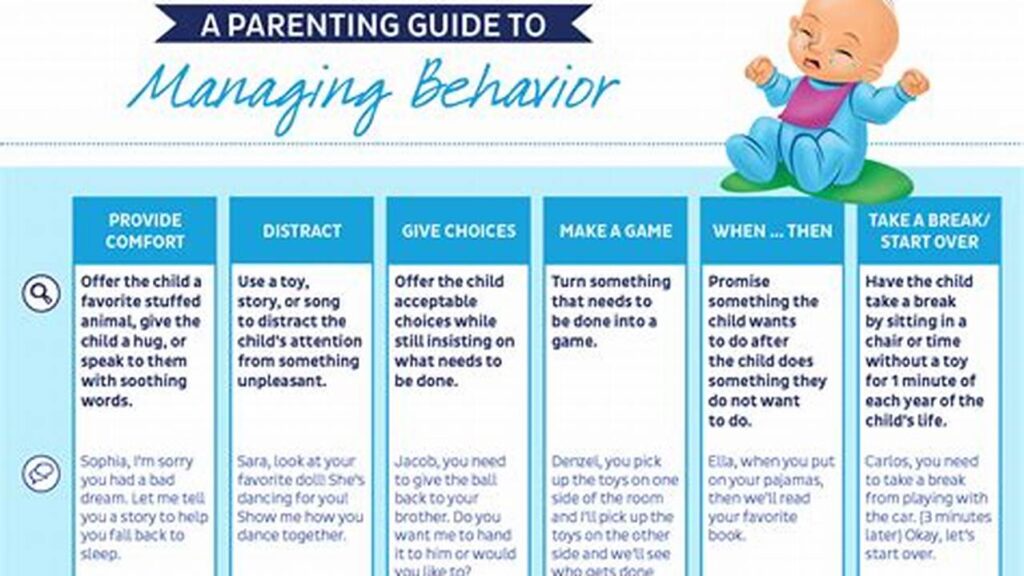
Offer choices within limits to foster a sense of autonomy. Redirect their attention when they engage in undesirable behaviors. Establish consistent routines for sleep and meals to minimize disruptions.
Tips for Toddlers
Use short, simple explanations and instructions. Model desired behaviors to demonstrate appropriate actions. Provide opportunities for physical activity to release energy.
Tips for Teens
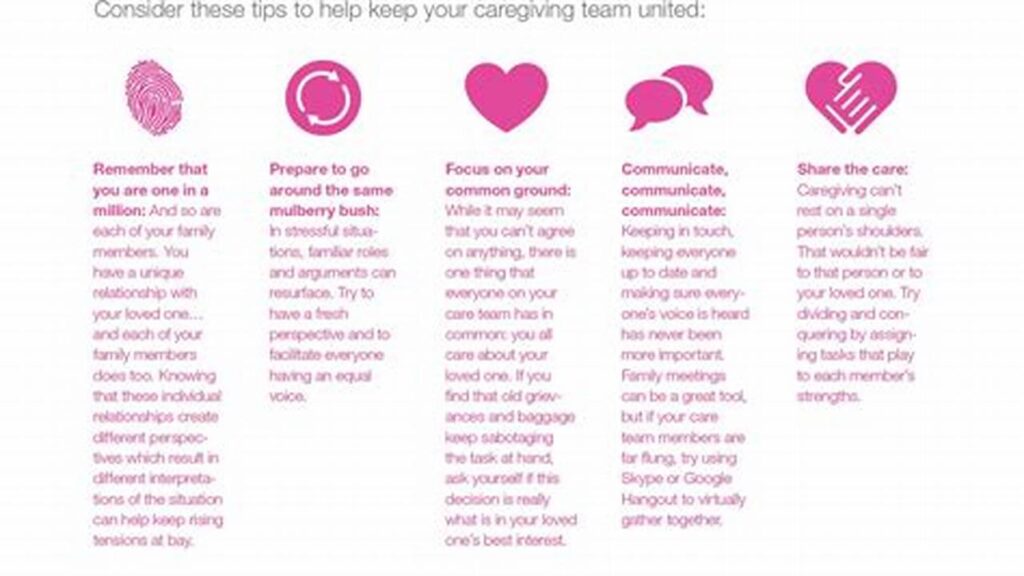
Involve teenagers in setting rules and consequences to promote buy-in and responsibility. Encourage open communication and active listening to build trust and understanding.
Tips for Teens
Respect their need for increasing independence while maintaining appropriate boundaries. Provide opportunities for them to contribute to family decisions.
How can I manage tantrums in toddlers?
Remain calm and avoid giving in to demands. Redirect their attention or offer a comforting object. Acknowledge their feelings without condoning the behavior.
What are effective ways to address defiance in teenagers?
Engage in calm discussions and avoid power struggles. Set clear consequences for unacceptable behavior. Focus on building a strong parent-teen relationship through open communication.
How can I encourage responsibility in my child?
Assign age-appropriate chores and provide positive reinforcement for completion. Involve them in family discussions and decision-making processes. Model responsible behavior in your own actions.
When should I seek professional help for behavior issues?
If challenging behaviors persist despite consistent efforts, seeking guidance from a therapist or counselor can provide valuable support and strategies.
How can I create a positive family environment?
Prioritize quality time together, engage in shared activities, and express appreciation for each other. Establish clear communication channels and encourage open expression of feelings.
What role does consistency play in behavior management?
Consistency provides children with a sense of predictability and security. It helps them understand expectations and boundaries, making it easier for them to follow rules and cooperate.
Implementing effective behavior management strategies requires patience, consistency, and understanding. By adapting approaches to suit the specific developmental needs of toddlers and teenagers, parents can foster positive relationships, build essential life skills, and create a nurturing family environment.